
Notes on Japanese Craft
Guides to the traditions behind our collection — noren weaving, Kutani porcelain, incense culture and the quiet objects of Japanese daily life. Written by K. Morita in Osaka.
Showing articles 61–72 of 84
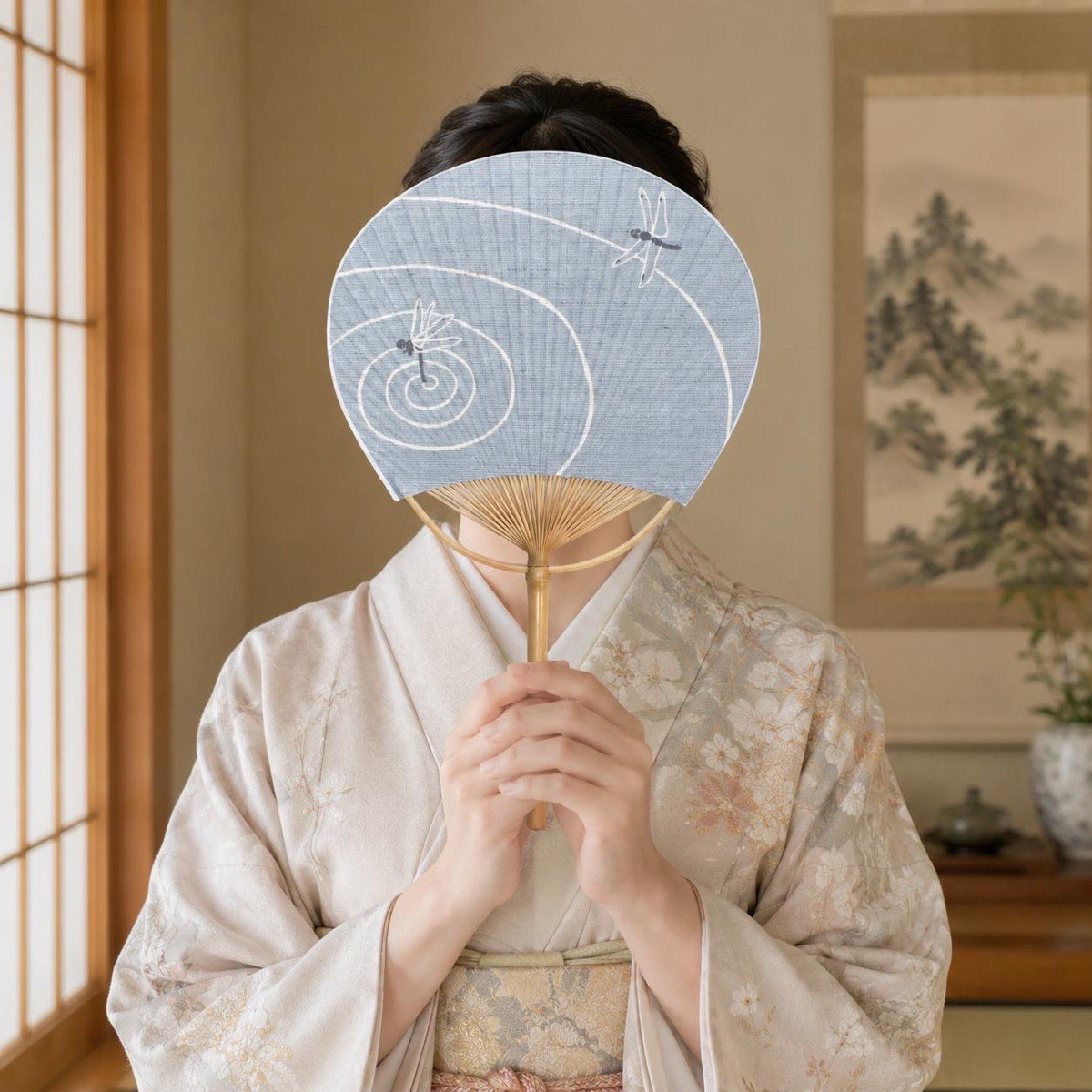
How to Care for Bamboo and Linen Japanese Fans
Japanese fan care guide: keep bamboo and linen uchiwa and sensu fans dry, dust-free, shaded, and stored safely between summer use and display.
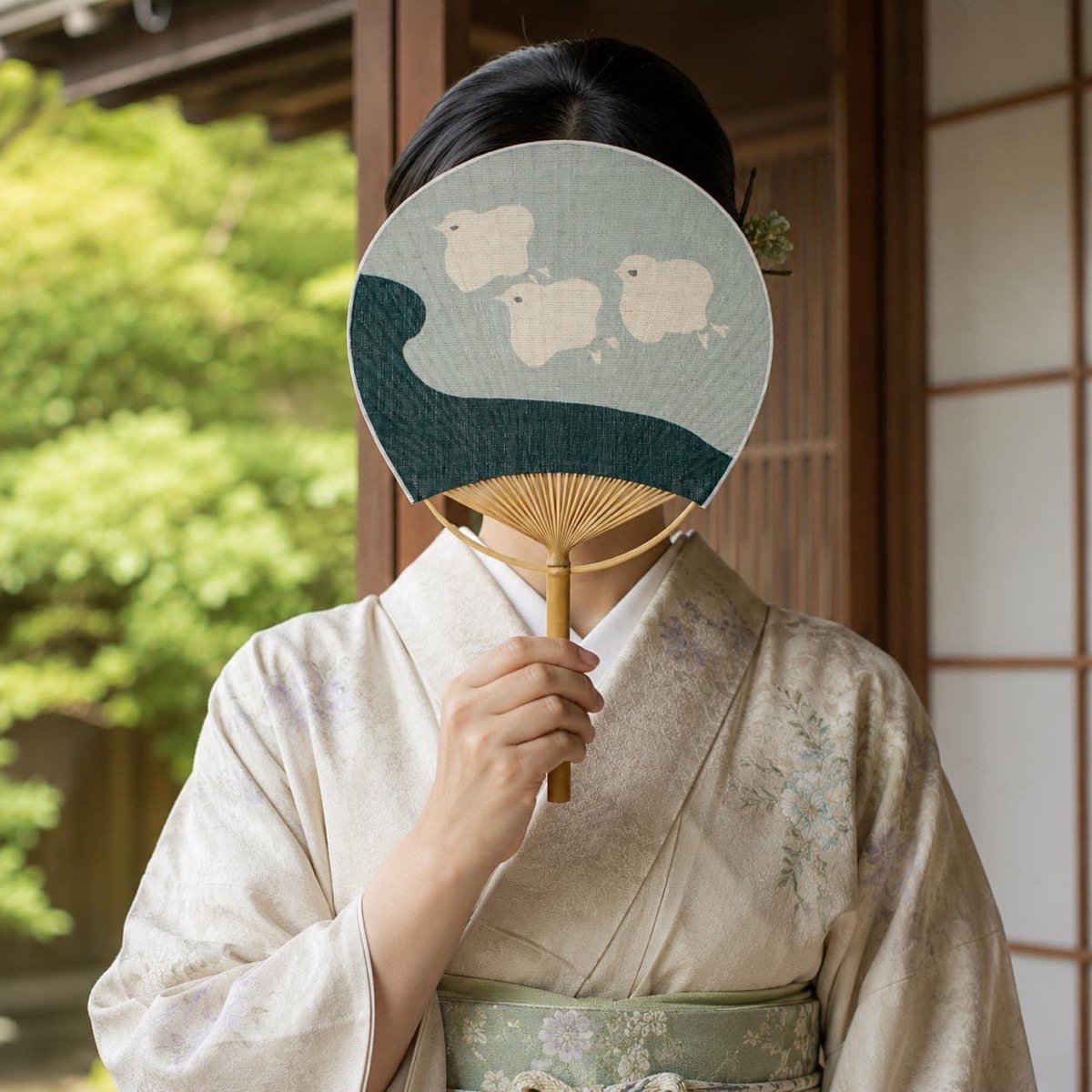
How to Display Japanese Fans as Wall Art
Japanese fan wall decor guide: display uchiwa and sensu fans with calm spacing, safe mounting, and made-in-Japan bamboo and linen craft links.
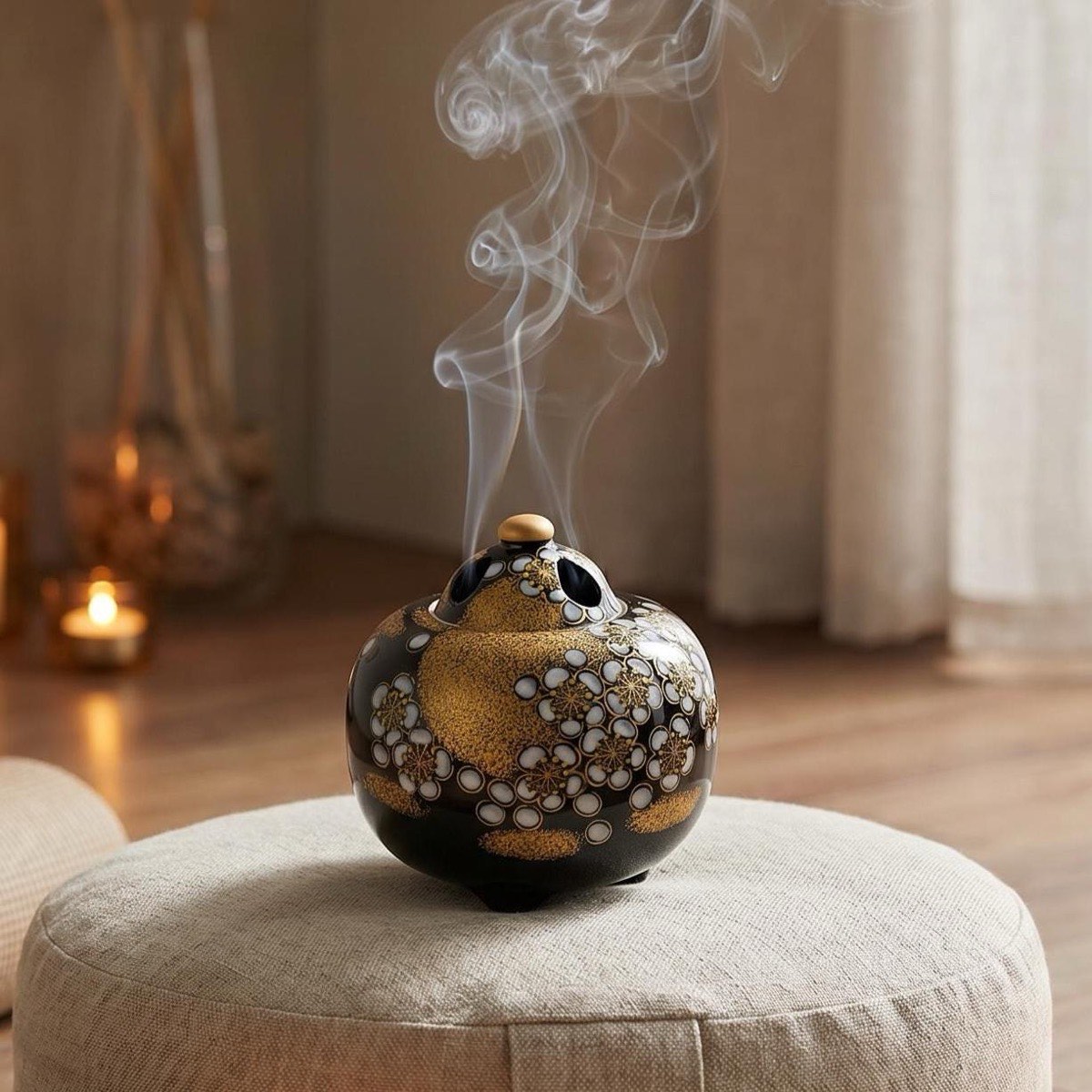
Where to Place an Incense Burner at Home
Where to place an incense burner at home: choose safe, calm spots for a Japanese koro on desks, shelves, tea corners, entryways, and side tables.
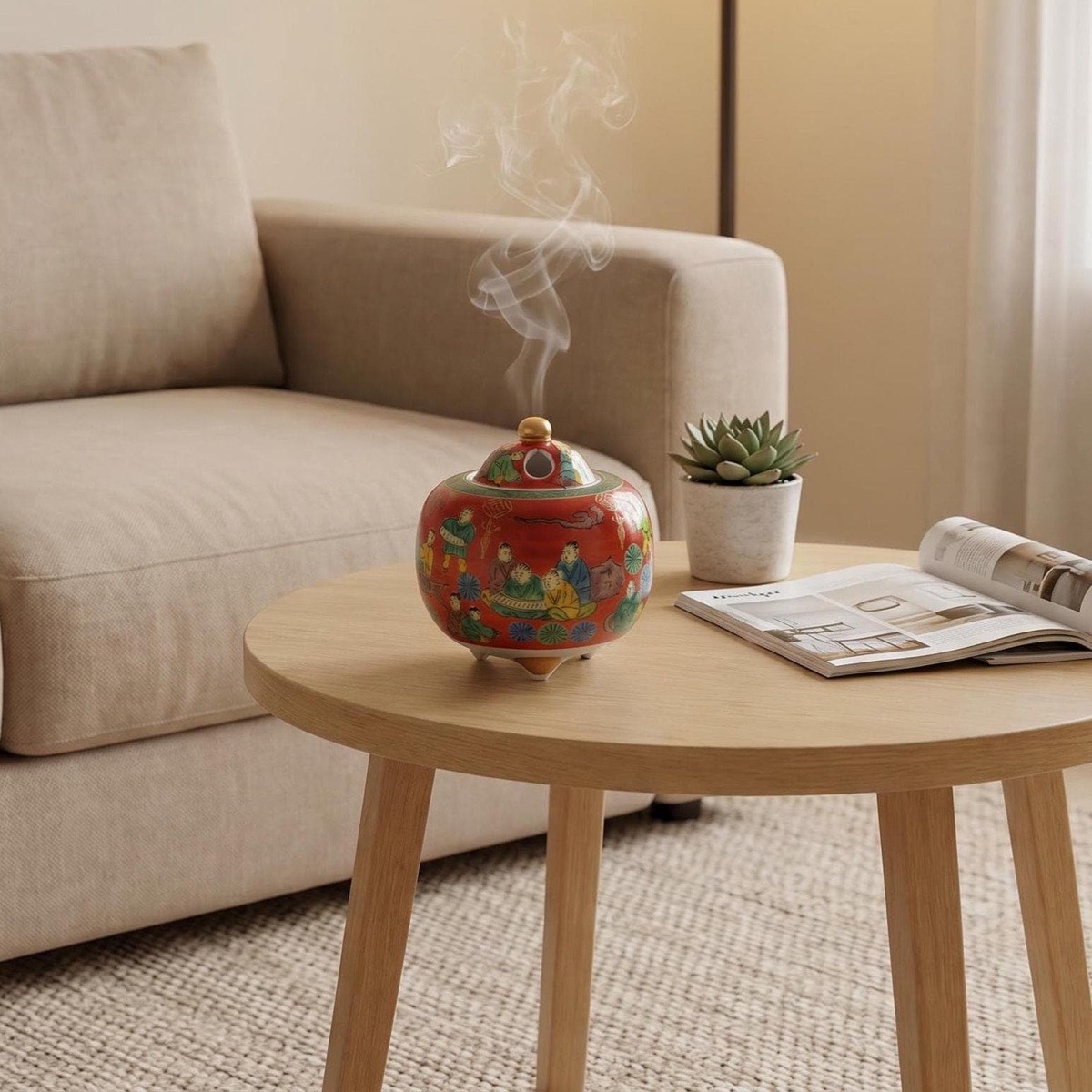
Kutani Ware Styles on Incense Burners
Learn Kutani ware styles for incense burners: Ko-Kutani, Yoshidaya, Mokubei, gosai colors, motifs, room fit, and koro buying cues from Osaka.
What Incense Ash Should You Use in a Japanese Koro?
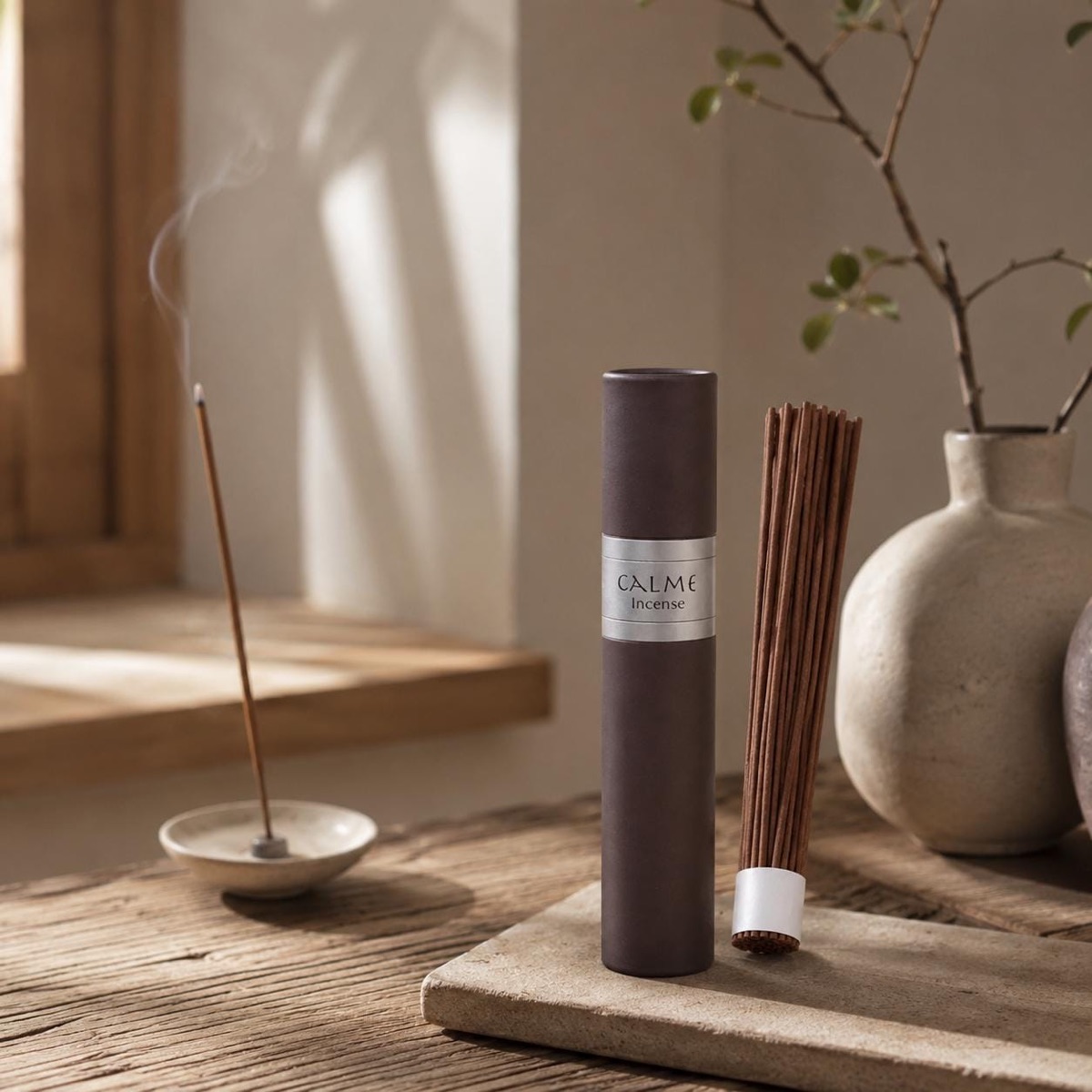
Choose the right incense ash for a Japanese koro: white ash, sand, cones, sticks, cleanup, safety, and Kutani burner tips from NeoiAtelier in Osaka.
How to Choose a Kutani Koro Incense Burner
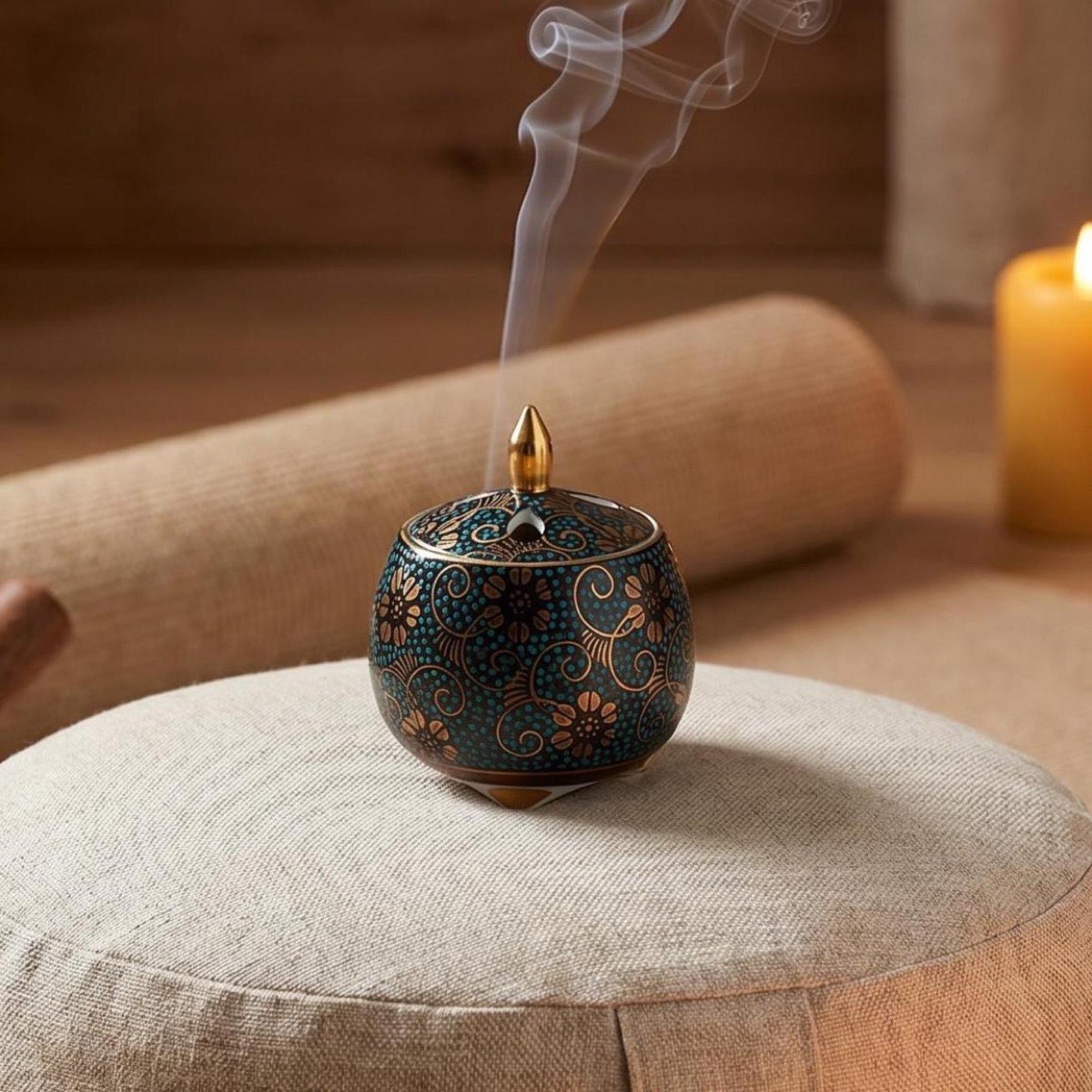
Learn how to choose a Kutani koro incense burner by size, motif, room use, and budget, with made-in-Japan examples for tea corners, desks, and shelves.
Koro vs Incense Holder vs Incense Bowl: Which to Use?
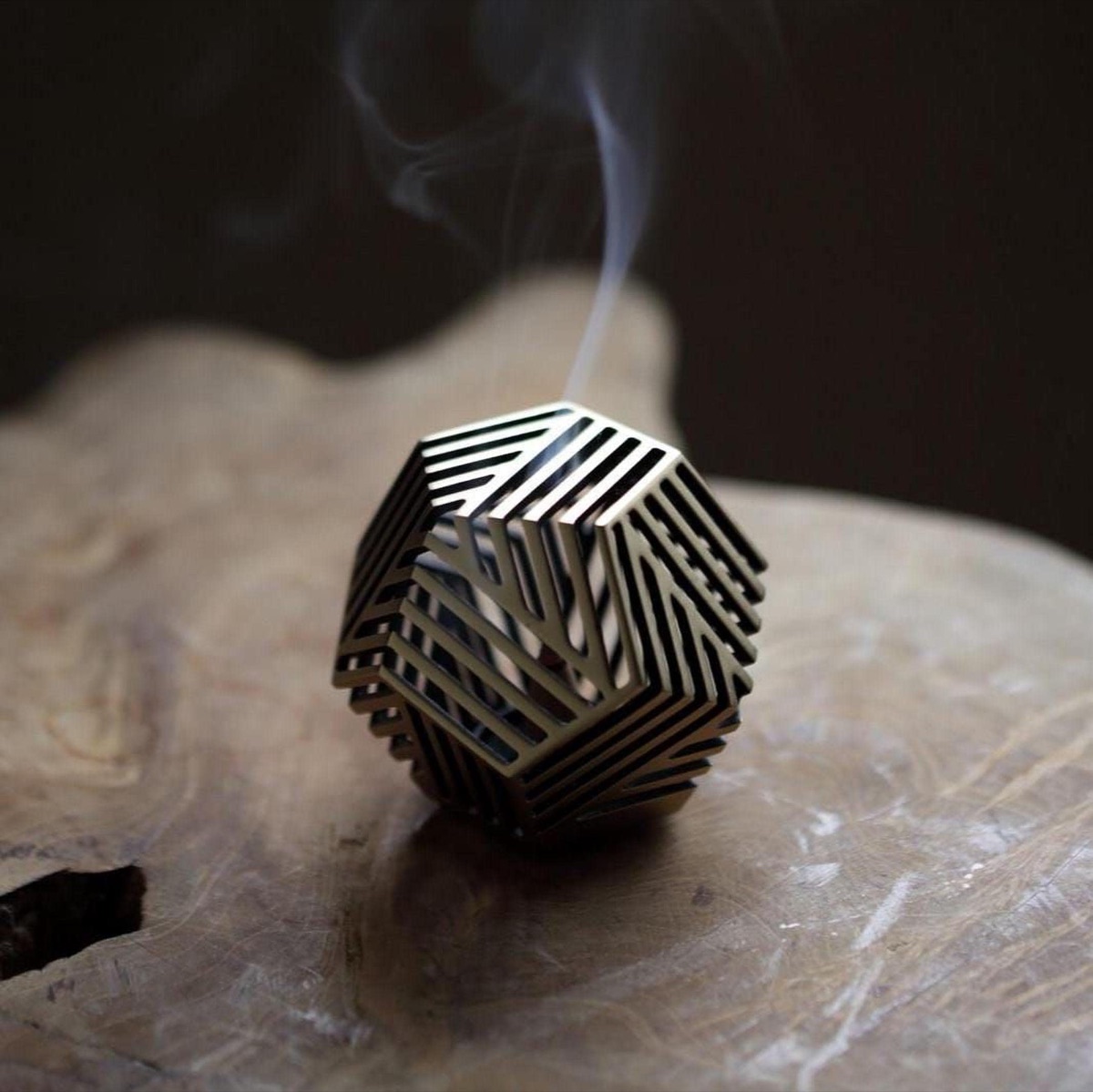
Compare koro vs incense holder vs incense bowl for sticks, cones, ash, display, and gifts, with safe made-in-Japan options from NeoiAtelier.
How to Clean a Japanese Incense Burner (Koro)
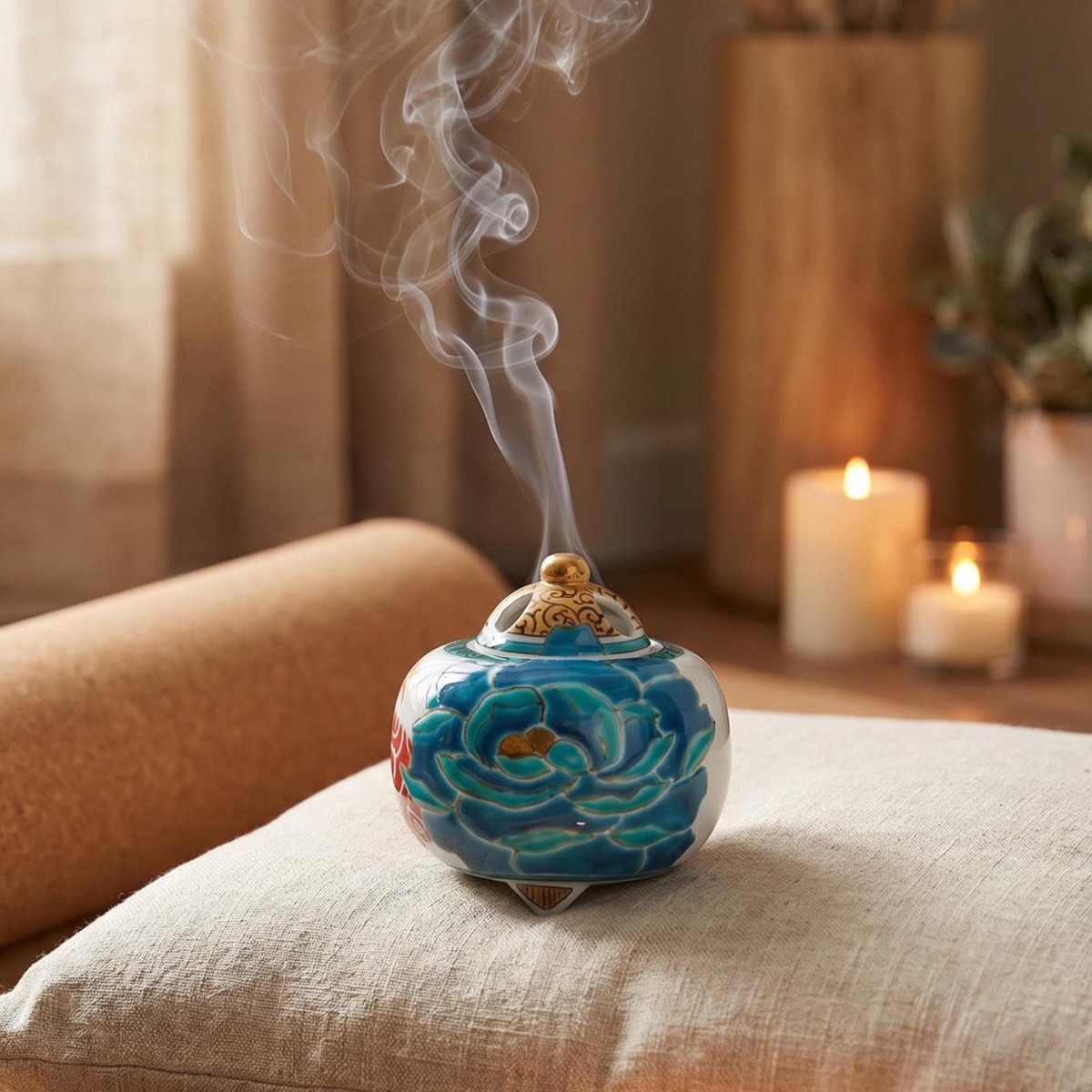
Learn how to clean a Japanese incense burner safely: cool it, remove ash, wash gently, and prevent cracks on Kutani-ware koro made in Japan.
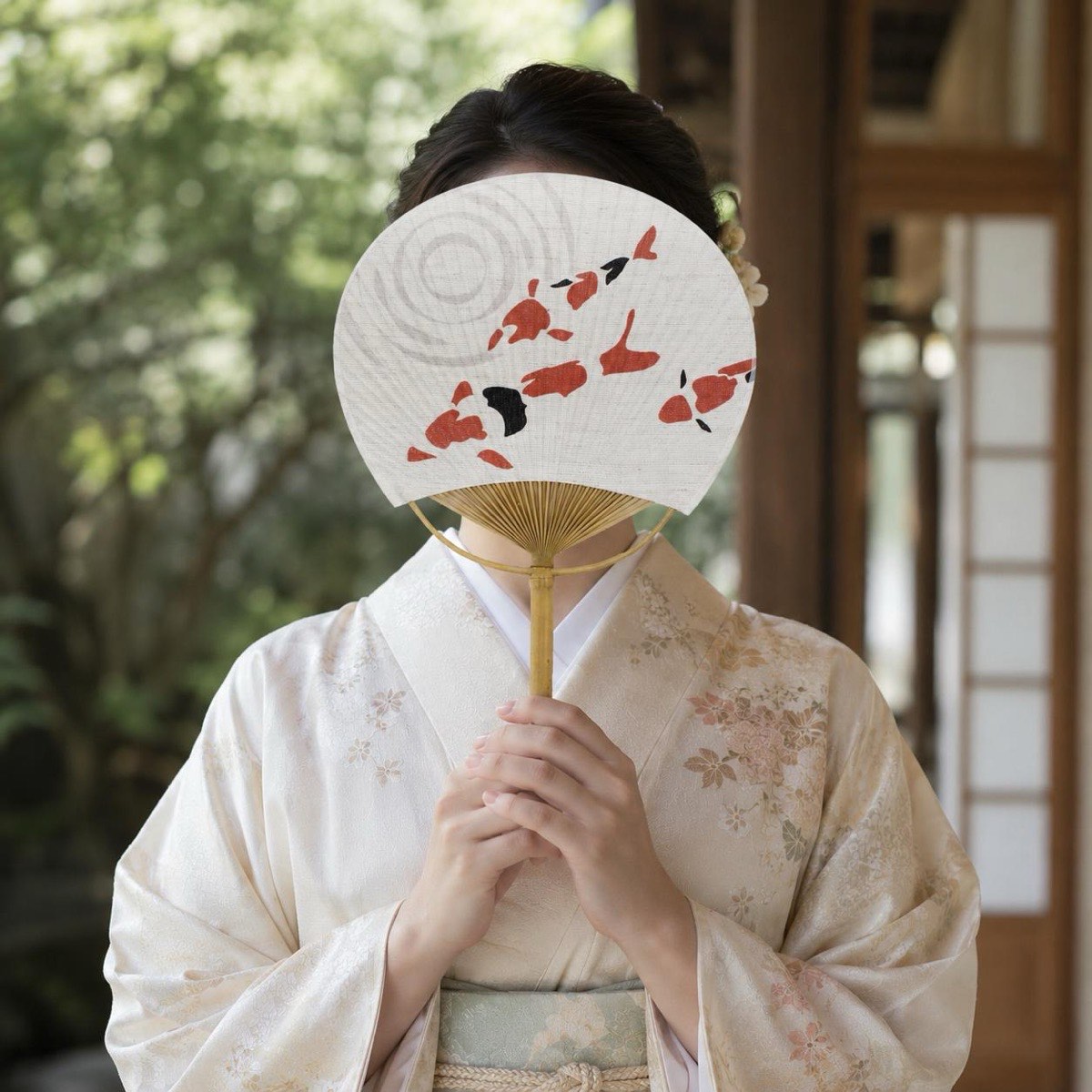
How to Choose a Japanese Hand Fan: Uchiwa vs Sensu
Choosing a Japanese hand fan? Compare uchiwa vs sensu by size, breeze, occasion, and price, with linen fans made in Japan from Ojiya Chijimi cloth.
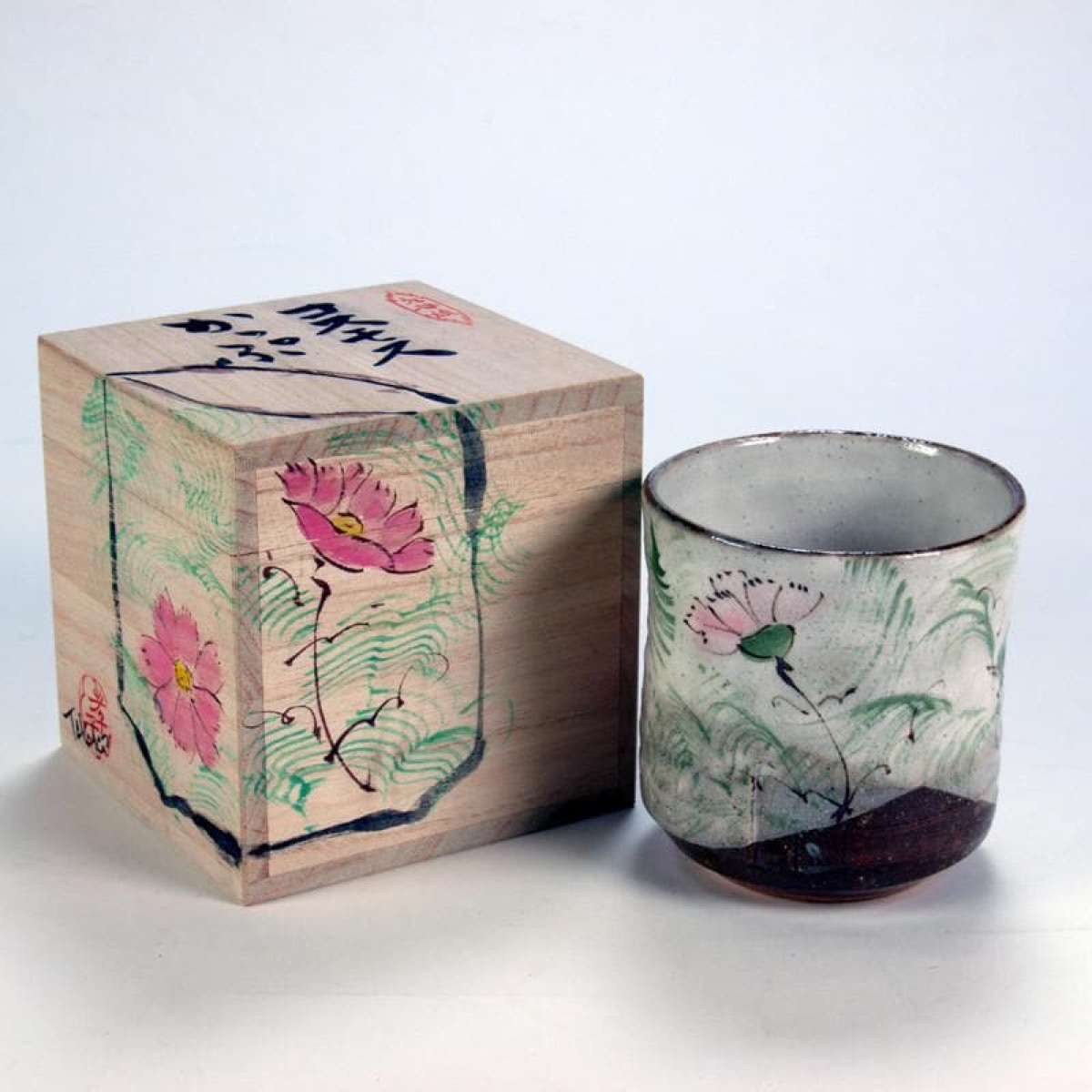
How to Use a Yunomi: Brewing Japanese Green Tea
Learn how to use a yunomi: warm the cup, brew sencha at 70 C, hold it in both hands, and care for the porcelain - a simple guide to the Japanese tea cup.
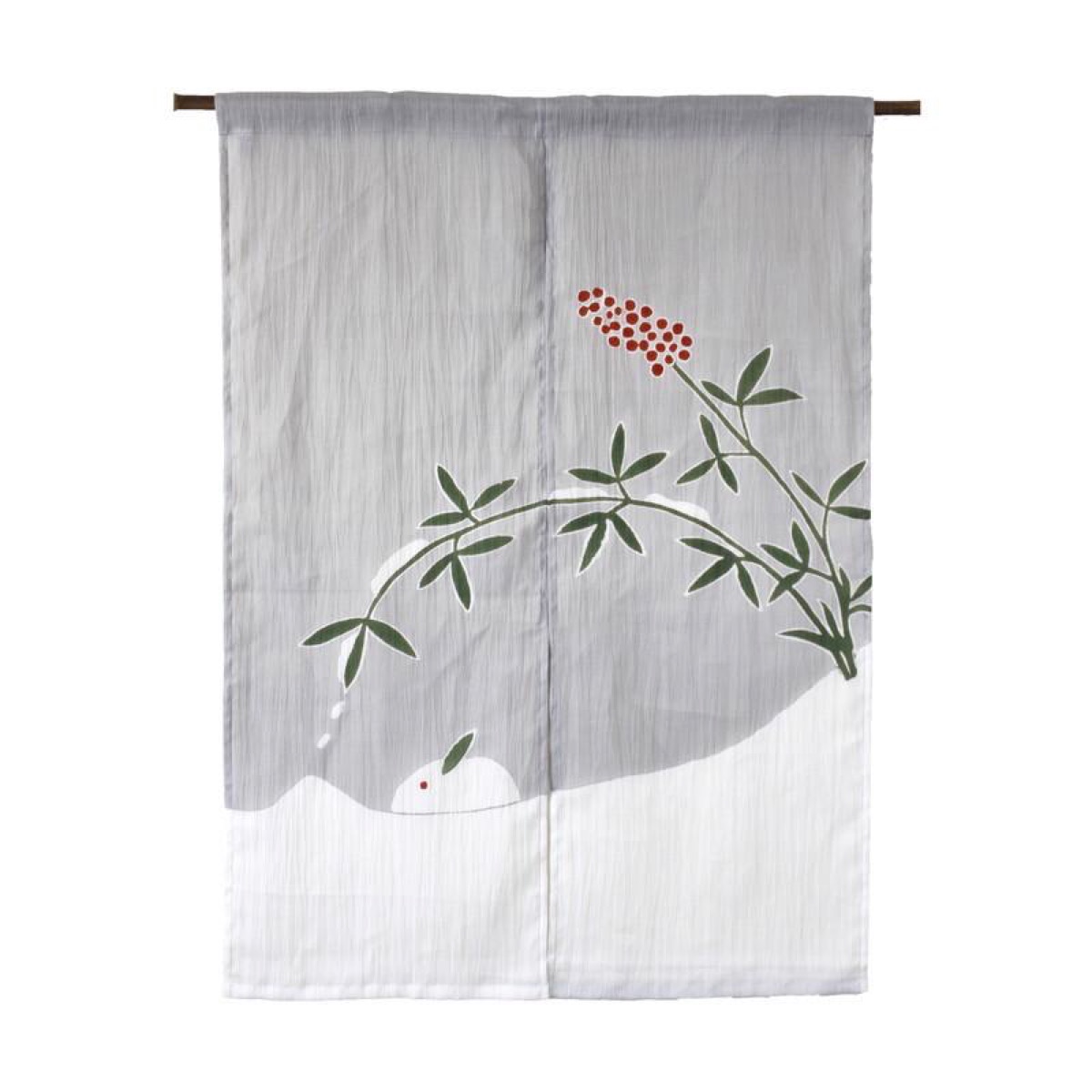
What Is Ojiya Chijimi? The Story of Japan's Snow-Bleached Linen
Ojiya chijimi is Japan's snow-bleached ramie crepe, woven in Niigata for 400 years and named a UNESCO cultural treasure - the story behind our linen noren.
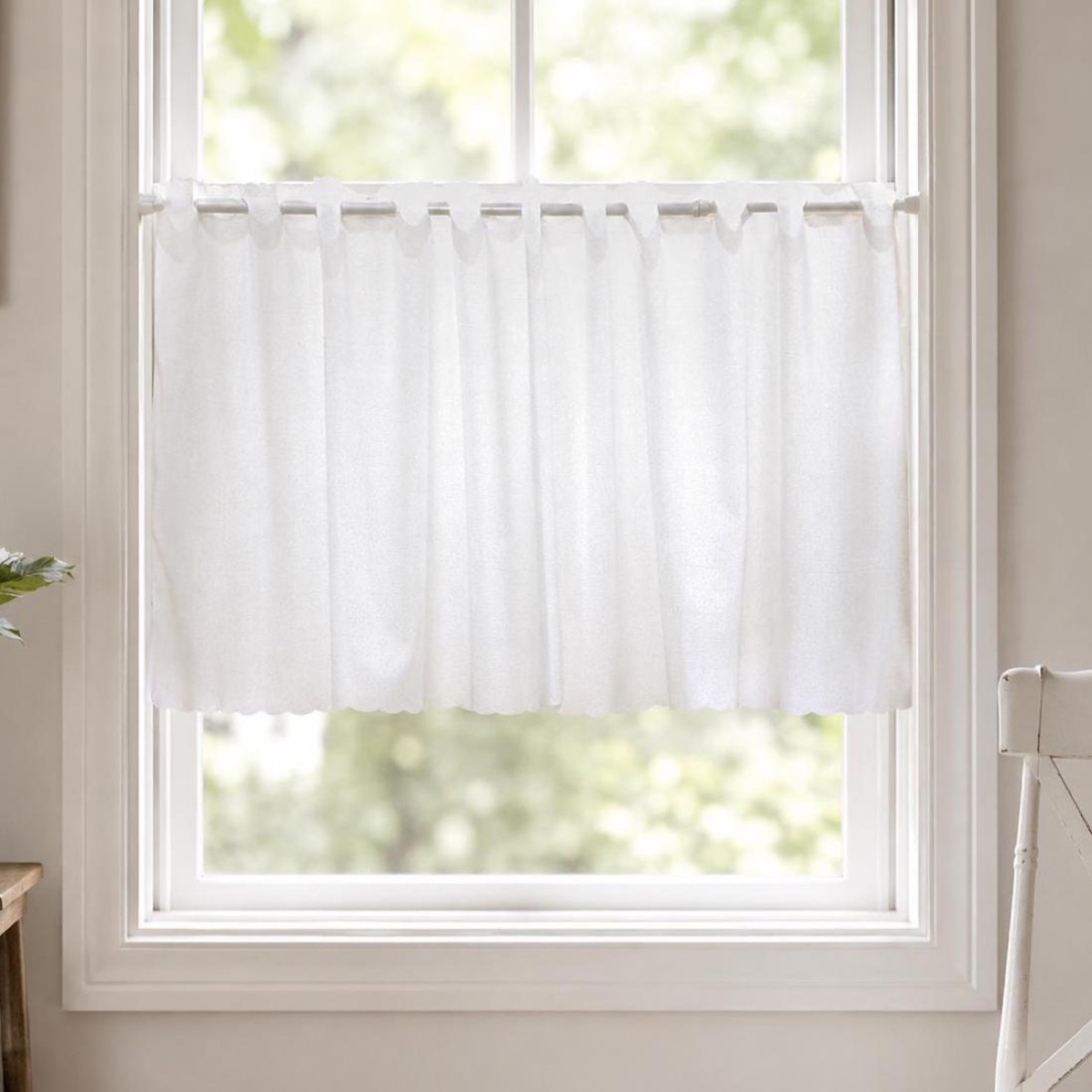
How to Hang a Noren Without Drilling
Hang a noren with no drilling: tension-rod, adhesive-hook and renter-friendly methods for doorways, room dividers and closets. Linen noren made in Japan.