Where to Place an Incense Burner at Home
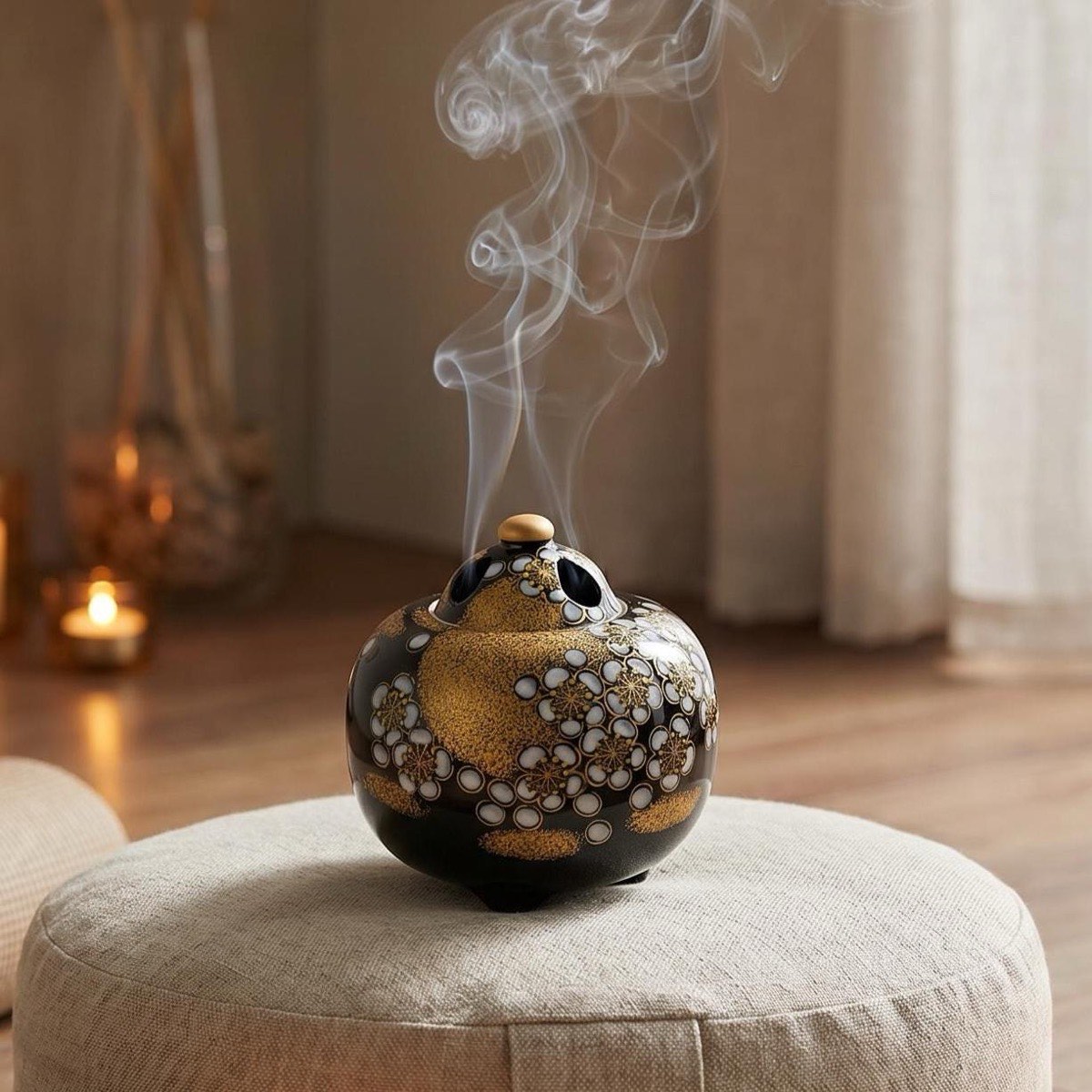
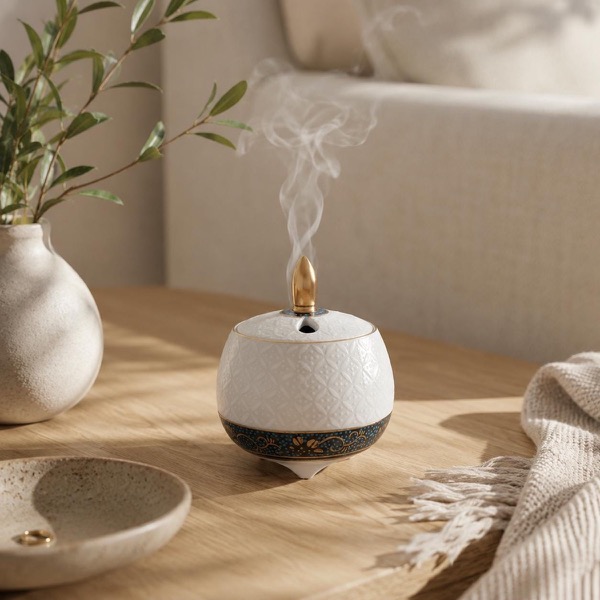
Place an incense burner at home on a stable, heat-safe surface with open air around it, away from fabric, paper, children, pets, and drafts. A Japanese koro works best where fragrance can be enjoyed slowly: a desk, tea corner, entry shelf, or quiet display surface.
What makes a good place for an incense burner?
A good incense burner spot is stable, visible, and easy to supervise. Choose a flat ceramic, stone, metal, or finished wood surface protected by a tray, then leave clear space around the burner so sleeves, books, curtains, dried flowers, and paper packaging do not sit close to the ember or warm ash. Think of the koro as both a fragrance tool and a small ceramic object. It should be close enough to enjoy, but not so close that smoke rises directly into your face while you work.
Where should you place a koro in a living room?
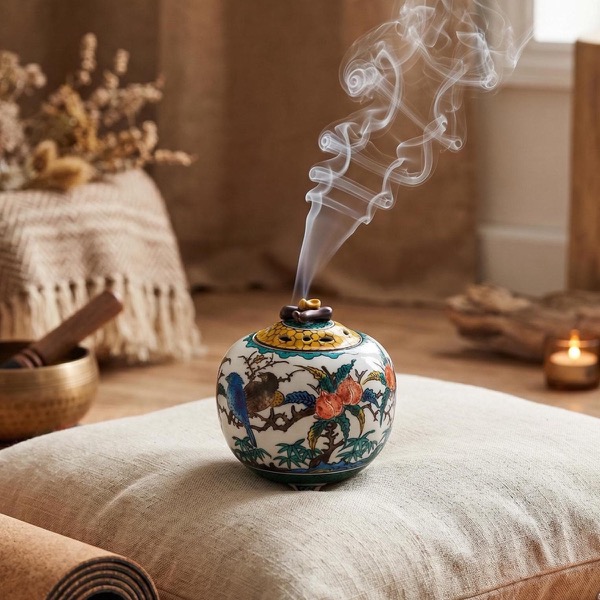
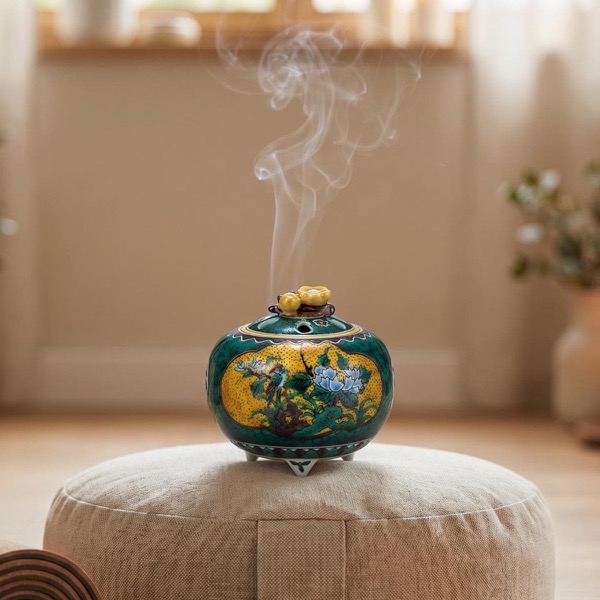
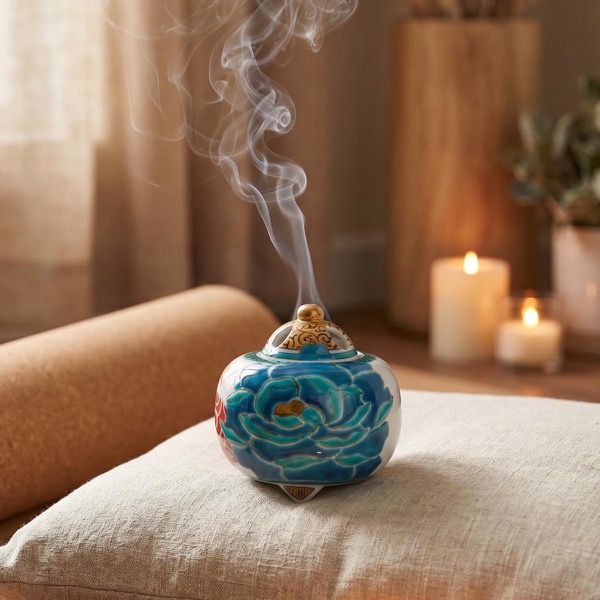
In a living room, the best place is usually a low-use side table, console, or open shelf where the burner can sit alone on a small tray. A Kutani koro has visual weight, so it works well as a single focal point beside a vase, tea cup, or small stack of books, but the incense area itself should stay uncluttered while burning. If you want a decorative piece that can remain visible between uses, browse the Japanese incense collection for porcelain koro forms that suit shelves, tea corners, and entry tables.
Can you use an incense burner on a desk?
Yes, you can use an incense burner on a desk if the surface is protected and the burner is not crowded by paper, cables, keyboard accessories, or monitor stands. A desk placement works best for a short, intentional pause before writing, planning, or evening reading. Keep the koro to one side of the main work area so your hands do not pass over it repeatedly. If you prefer a compact ceramic profile, compare pieces such as the small white dot clematis Kutani koro with larger display pieces.
Is an entryway a good place for incense?
An entryway can be a good place for incense when it has a stable console and enough clearance from coats, bags, umbrellas, shoe shelves, and door movement. The appeal is simple: fragrance marks the transition between outside and home. The risk is that entry areas are often busy, narrow, and full of fabric. Use this spot only when the burner can be watched and the area stays clear. Every NeoiAtelier piece is made in Japan and ships from Osaka, so the same object can serve as a practical burner and a small craft display.
How do you style incense near a tea corner?
A tea corner is one of the most natural places for a Japanese koro because the pace is already slow. Place the burner beside, not inside, the tea preparation area, so fragrance does not compete with the aroma of tea leaves. A shelf above cups, a side tray near a kettle, or a small cabinet top can work if it is level, heat-safe, and easy to reach. For a tea-room feeling, pieces such as the white shippo Kutani koro keep the surface quiet while adding pattern.
Where should you not place an incense burner?
Do not place an incense burner under curtains, beside bedding, on a fabric tablecloth, near loose paper, beside dried plants, inside a closed cabinet, or on a shelf so high that you cannot see the ash. Avoid bathrooms with damp surfaces and kitchens where cooking air, grease, and movement can disturb the scent. Also avoid placing incense directly beside smoke detectors, air purifiers, or open windows that create strong cross-drafts. The goal is to let fragrance disperse gently, not to trap smoke in a closed room.
How should you choose a burner for the room?
Match the burner to the room's scale and use. A mini koro suits a desk, small tray, or apartment shelf. A medium porcelain koro works for a sideboard, tea corner, or entry console. A visually stronger Kutani piece belongs where it has breathing room and can be seen from a normal standing or seated position. If the room already has patterned textiles or colorful ceramics, choose a quieter burner. For a fuller buying framework, read how to choose a Kutani koro incense burner before comparing individual product pages.
What is the simplest safe setup?
The simplest setup is a koro on a small tray, placed on a stable table or shelf with clear space around it and a seat nearby. Add incense only when you have time to stay in the room. After use, let the ash and burner cool before moving, cleaning, or returning decorative objects to the surface. For most homes, start with one reliable location rather than moving the burner from room to room. When you are ready to choose a piece, start with the Japanese incense collection and select the koro that fits the surface you will actually use.