What Is Ojiya Chijimi? The Story of Japan's Snow-Bleached Linen
Ojiya chijimi is a snow-bleached ramie crepe cloth woven in Niigata Prefecture, Japan, for more than 400 years. Recognized as both a UNESCO Intangible Cultural Heritage and a Japanese Important Intangible Cultural Property, it is prized for a cool, crinkled texture made by hand-plying fibers and bleaching the finished cloth on winter snow.
What Is Ojiya Chijimi?
Ojiya chijimi is a fine summer textile made from ramie, a bast fiber in the same family as flax, woven in and around the city of Ojiya in Niigata's Uonuma region. The word chijimi means crepe, and it describes the cloth's signature crinkle: weavers use tightly over-twisted weft threads that, once the woven fabric is kneaded in warm water, pucker into a faint, rippling surface. That ripple lifts the cloth slightly off the skin, leaving tiny air channels that wick away summer humidity, which is why it became Japan's classic warm-weather kimono fabric. Though often called linen-like, true Ojiya chijimi is ramie, stripped from the plant stalk and hand-plied into thread strand by strand long before it ever reaches the loom. That patient, almost invisible groundwork is what gives the finished cloth its strength and faint natural sheen.
How Old Is the Ojiya Chijimi Tradition?
Weavers in the Echigo region have made this cloth for more than 400 years, with techniques passed down since before the seventeenth century. During the Edo period (1603-1867), Ojiya chijimi kimono were in high demand, giving both men and women of the samurai class cool, lightweight clothing for humid summers. The trade shaped the economy of snowbound Niigata, where farming families wove through the long winter months when fields lay buried. That continuity - the same fiber, the same backstrap loom, the same seasonal rhythm - is part of what later earned the craft its national protection.
Why Is Ojiya Chijimi Bleached in Snow?
Snow bleaching, called yukisarashi, is the step that gives the cloth its clarity and softness. Finished fabric is spread across fields of fresh snow on bright late-winter days; sunlight reacting with moisture rising from the melting snow releases ozone, which gently whitens the ramie and softens its fibers without harsh chemicals. Producing a single bolt involves more than 70 separate processes, from extracting and hand-plying plant fiber to this final exposure on the snow. The result is a naturally bleached, breathable cloth with a clean, even ground that no chemical wash can quite reproduce. It is the same dry, matte character we look for across our noren and wall hangings collection, where texture matters more than gloss.
What Makes Ojiya Chijimi a Cultural Treasure?
In 1955, Ojiya chijimi and its sister cloth Echigo-jofu were designated Important Intangible Cultural Properties of Japan, the nation's highest recognition for a traditional craft. In September 2009, UNESCO added the techniques to its Representative List of the Intangible Cultural Heritage of Humanity. To carry the formal designation, a piece must meet strict conditions: ramie thread hand-plied without machinery, hand-tied kasuri (ikat) patterns, weaving on a jibata backstrap loom, kneading in hot water, and bleaching on snow. Very few full bolts are made this way each year, which is why authentic Ojiya chijimi commands true heirloom prices.
How Does Ojiya Linen Feel and Drape?
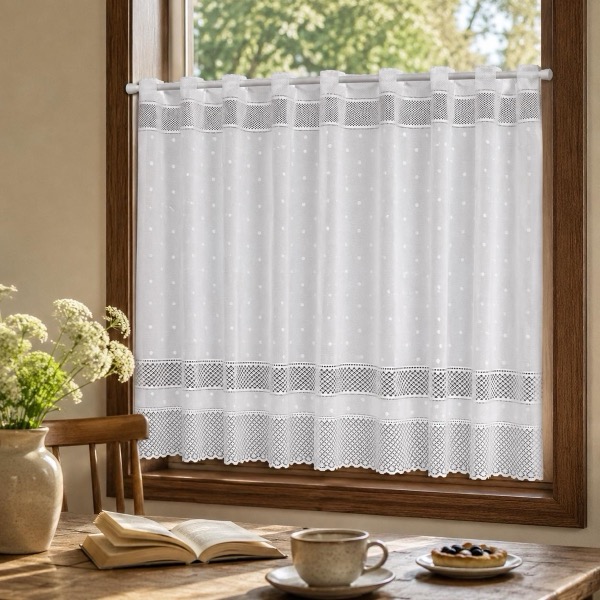
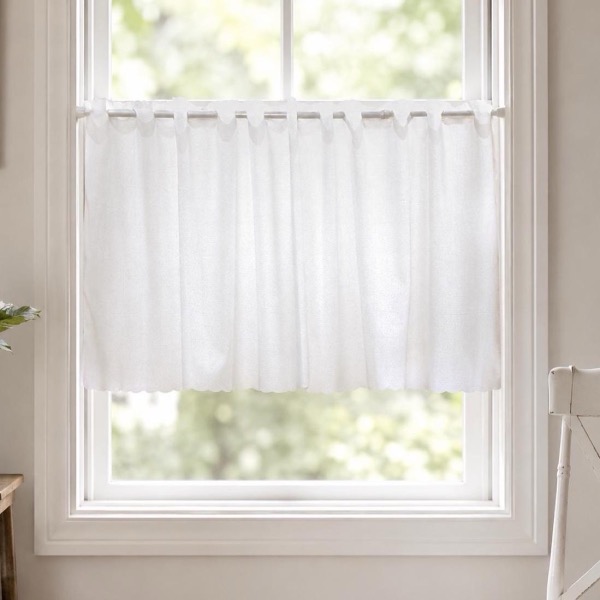
Cloth in the Ojiya tradition has a cool, slightly crisp hand and a faint surface ripple you can feel with a fingertip. It hangs straight rather than clinging, filters light softly, and resists odor - qualities that suit not only kimono but the split doorway curtains called noren. Because the weave is open and the fiber strong, a panel keeps its shape for years and softens with each wash instead of thinning out. If you are weighing this dry, textured drape against smoother options, our linen versus cotton noren comparison explains why a true linen weave outlasts and outperforms printed cotton in doorways you pass through every day.
How Does the Ojiya Tradition Shape NeoiAtelier Noren?
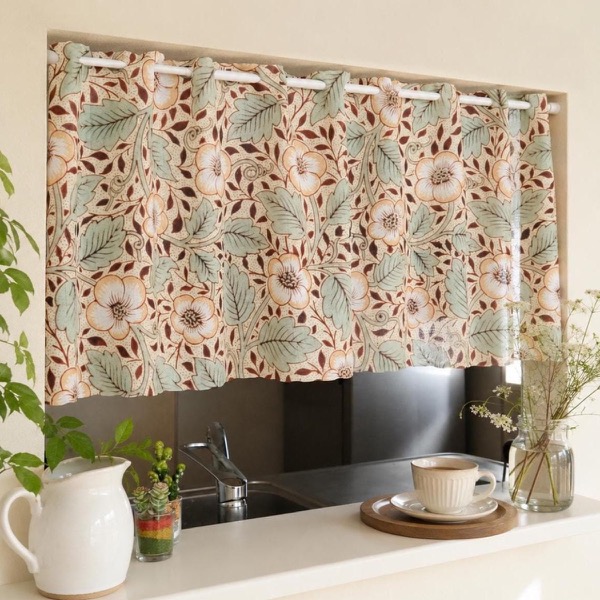
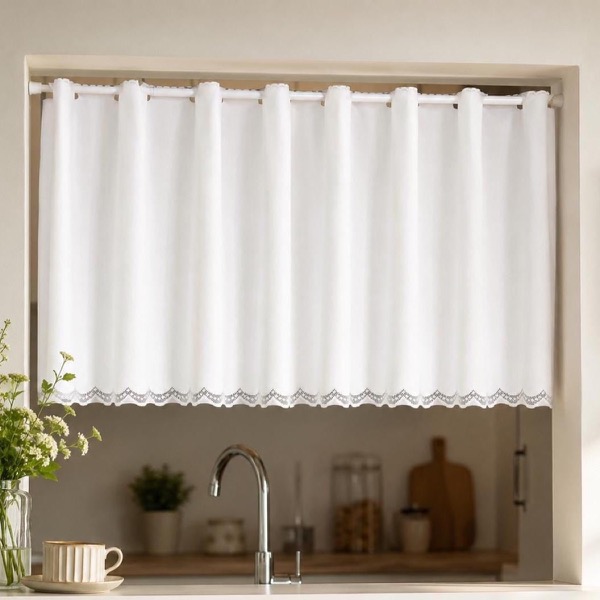
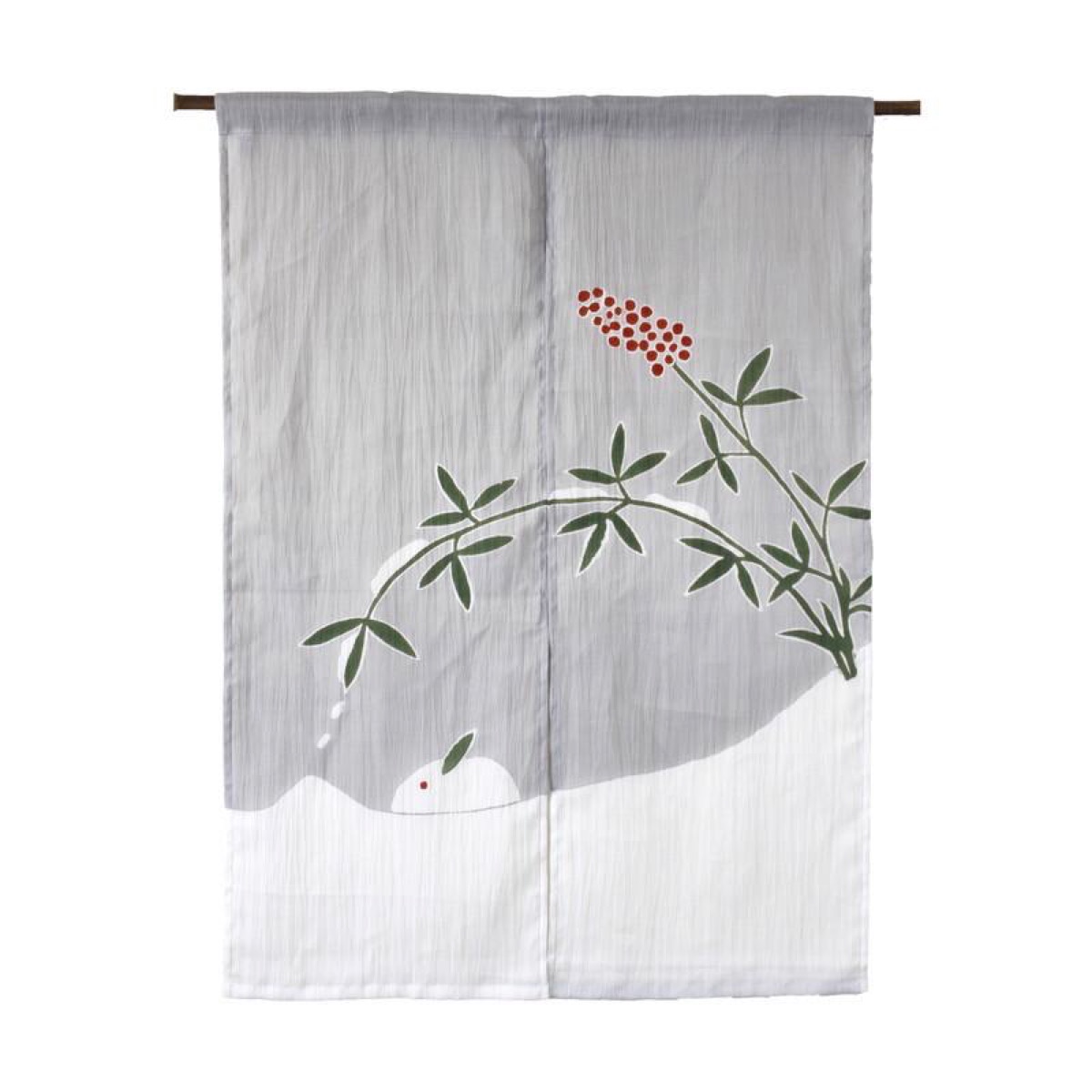
Our hand-dyed linen noren are woven in Japan using techniques descended from Ojiya chijimi, then dyed and finished in small regional workshops. That lineage is what separates a genuine Japanese textile from a mass-market import printed to look the part. Every NeoiAtelier piece is made in Japan and ships from Osaka, where our curation team selects each panel by fabric, dye, and origin. A piece such as our kakishibu-brown linen door curtain or the snow-rabbit chijimi-cloth noren shows what that tradition looks like in a modern home.
Why Choose Snow-Bleached Linen in 2026?
Natural, long-life textiles sit at the center of 2026 home design, as warm-minimalist and Japandi interiors push back against synthetic, disposable decor. A linen noren rooted in a 400-year, snow-bleached tradition fits that shift exactly: it is renewable, breathable, and built to soften rather than wear out over a decade of daily use. Unlike a printed panel chosen for one season, a piece carrying a documented craft history holds its value and its meaning over time. For a wedding, a housewarming, or a first apartment, it makes a quietly meaningful gift that says more than its modest price. Browse our Japanese gifts under $150, or start with the guide to what a noren is and choose a panel with a real story behind it.