What Incense Ash Should You Use in a Japanese Koro?
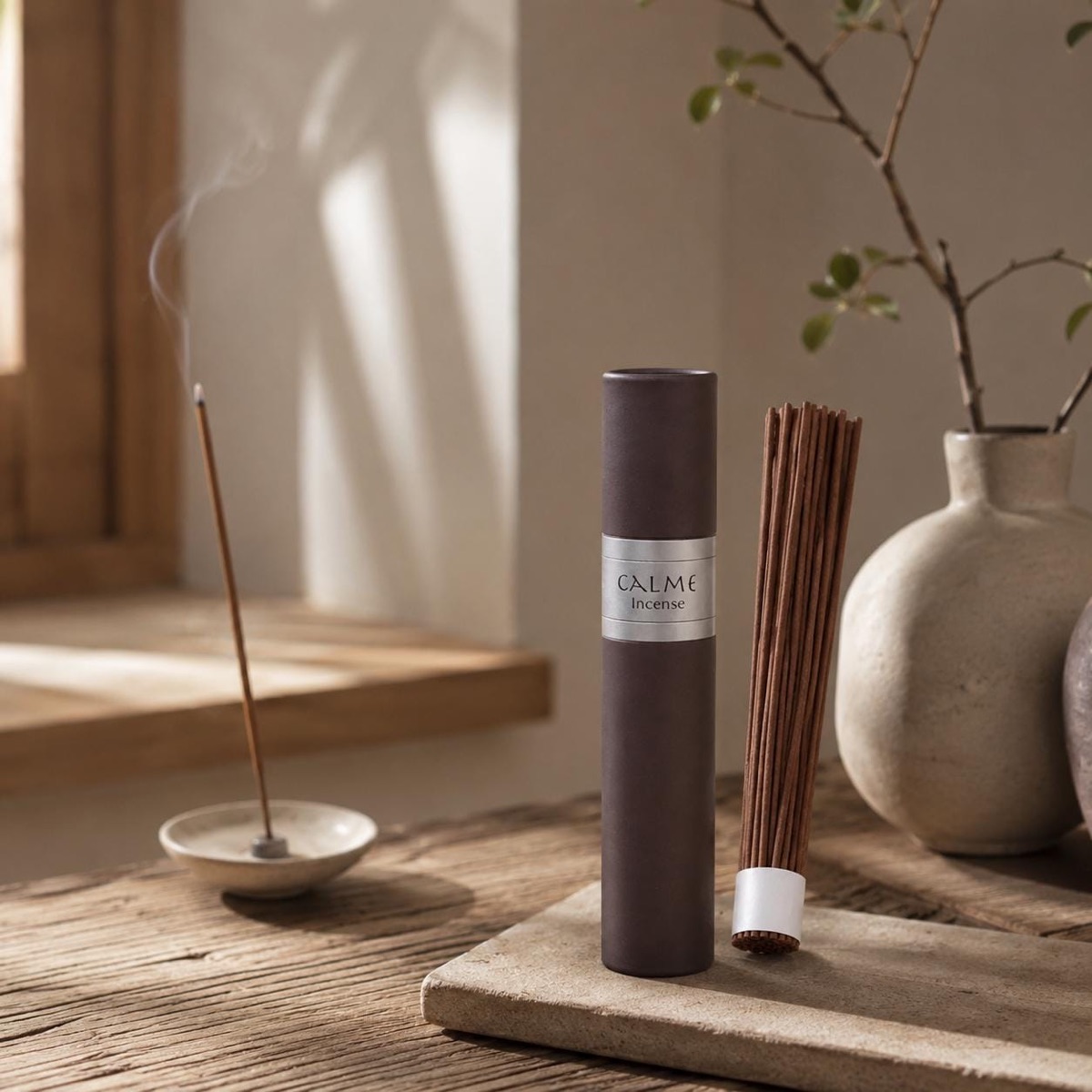
Use clean white incense ash in a Japanese koro when you want the most traditional, flexible bed for short sticks, cones, or warmed fragrance. Fine sand can work for casual stick burning, but white ash is lighter, easier to level, and closer to Japanese incense practice.
What Is Incense Ash Used for in a Koro?
Incense ash creates a stable, heat-safe bed inside the burner. In a lidded koro, that bed supports the incense, catches falling ash, and keeps the burning point away from the porcelain floor. For short sticks, the ash lets you stand the stick upright or at a gentle angle. For cones, it gives a level surface and makes cleanup easier after cooling. For traditional incense appreciation, public kodo references describe fragrant wood being heated above charcoal surrounded by ash inside a small ceramic censer. A home koro does not need that full ceremonial setup, but the same idea matters: ash turns the vessel from a decorative bowl into a controlled incense tool.
Should You Use White Ash, Sand, or Ceramic Beads?
White incense ash is the best all-purpose choice for a Japanese koro because it is light, fine, and easy to shape. Shoyeido's current white ash product, for example, is sold for glazed ceramic incense bowls, while a separate ceremonial ash is positioned for listening to incense. Sand is acceptable for simple stick burning, but it is heavier, can scratch if dragged across glaze, and does not level as softly. Ceramic beads or stones can look neat, yet they leave gaps where small embers and powder collect. If the burner is Kutani porcelain, choose the gentlest filler that does the job: fine ash first, clean sand only when ash is not available.
How Much Ash Should You Put in the Burner?
Fill the koro only enough to support the incense securely, usually a shallow bed below the inner rim rather than a packed full bowl. The exact depth depends on the shape of the burner: a deep body can take more ash, while a small mini koro needs less so smoke can move through the lid openings. Leave room to place, remove, and level the ash without spilling over the side. If you stand short sticks upright, the ash must be deep enough to hold the stick steady. If you burn cones, the surface only needs to be level and stable. Never bury hot incense or move the burner before the ash has fully cooled.
Can You Burn Sticks and Cones on the Same Ash?
Yes, you can use one ash bed for both short sticks and cones, as long as you remove cooled stubs and keep the surface clean. Sticks leave thin buried ends that should be lifted out with tweezers or fingers only after cooling. Cones leave a small powder mark and may compact the surface, so stir the top layer gently and level it before the next burn. Do not mix damp ash with fresh ash, and do not add fragrance oils, water, or perfume to the bed. Those additions can stain the burner, alter the scent, or create uneven burning. A clean, dry ash bed is simpler and safer.
Which Kutani Koro Shape Works Best with Ash?
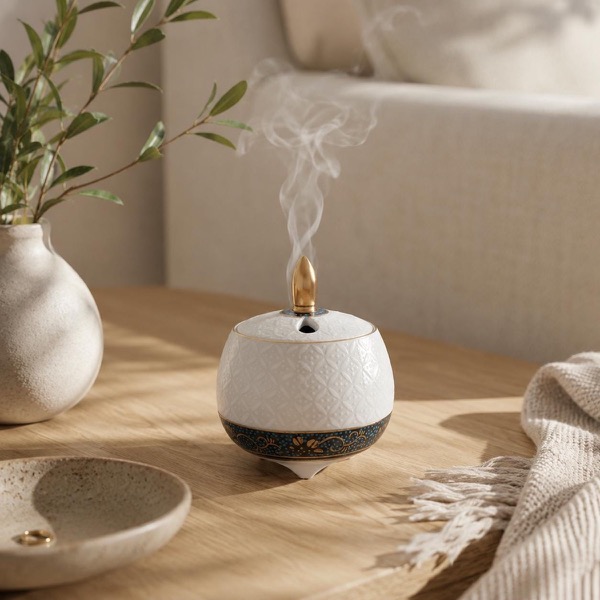
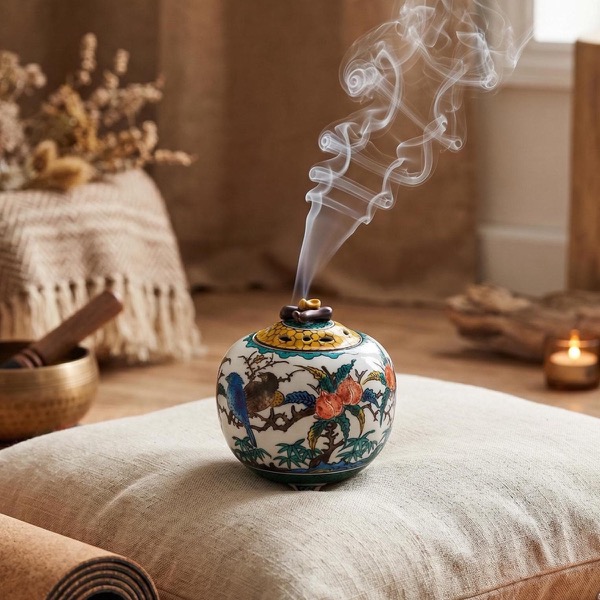
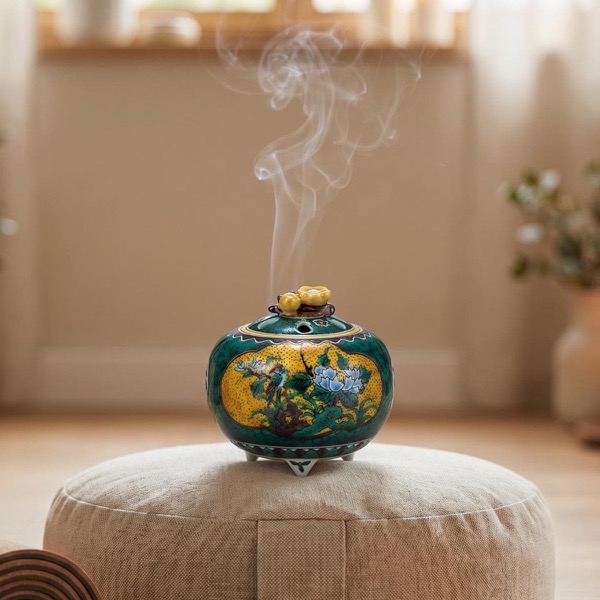
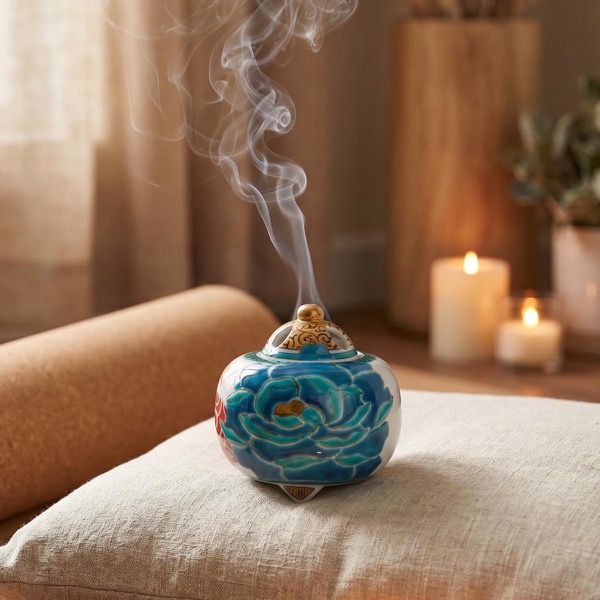
A deeper porcelain koro is easier for ash because it gives more interior room for leveling, cleanup, and short sticks. A compact piece such as the white shippo Kutani koro works well when you want a small daily burner with a calm pattern. A wider form such as the blue landscape Kutani koro gives more surface area for ash and a quieter visual mood. For a stronger display piece, the Ko-Kutani flower bird koro adds color while still functioning as a lidded incense burner.
How Do You Clean and Replace Incense Ash?
Let the koro cool completely, remove any stick ends or cone residue, then stir the top layer lightly and level it again. Replace ash when it smells stale, has too many dark particles, or no longer supports incense evenly. Empty it into a nonflammable container only after you are certain there is no hidden ember. Wipe the porcelain with a dry or barely damp soft cloth, not abrasives or a dishwasher. Kutani overglaze enamel and gold accents sit on top of the glaze, so treat the surface like painted porcelain. Every NeoiAtelier piece is made in Japan and ships from Osaka, and that care should continue at home.
What Safety Rules Matter Most?
Use a stable, heat-resistant surface, keep ash below the rim, ventilate the room, and never leave burning incense unattended. Keep the burner away from curtains, paper, shelves with low clearance, children, and pets. A lid can soften and direct smoke, but it does not make active incense safe to ignore. If smoke looks heavy, remove the lid after the ember is out and clean the air before the next session. If the burner is very small, use short Japanese sticks or cones rather than forcing long sticks into a tight vessel. The safest setup is not the most elaborate one; it is the one that fits the incense and the room.
Where Should You Start?
Start with clean white ash, one short Japanese incense stick, and a stable koro you can clean easily. If you already own a Kutani piece, test the ash bed with one short burn before making it part of a daily ritual. If you are still choosing, compare forms in the Japanese incense collection, then read the koro vs incense holder vs incense bowl guide to decide whether ash is really the right method for your home.