How to Use a Yunomi at Work
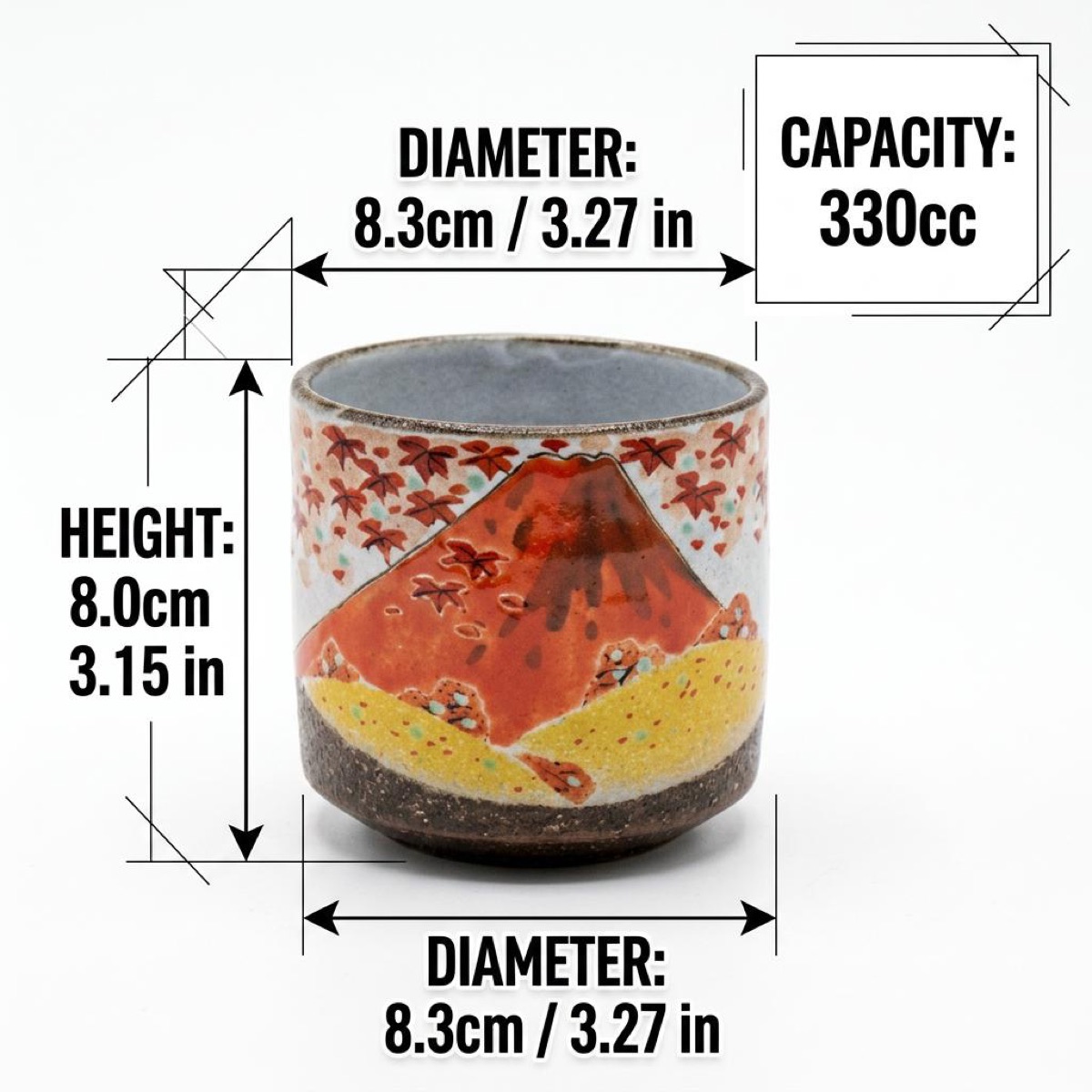
Using a yunomi at work can turn a short tea break into a repeatable routine: choose a cup that feels comfortable, keep a simple brewing setup nearby, and give the cup a stable place between uses. A handmade Japanese tea cup does not need a formal ceremony; it can suit an ordinary desk day.
What Makes a Yunomi Useful at Work?
A yunomi is useful at work when it makes a familiar break feel easy rather than elaborate. The handle-free form is made for everyday tea, but the practical question is not whether the cup looks traditional on a desk. It is whether you can lift it comfortably, rinse it after use, and return it to a clear, stable spot. Keep the routine modest: one cup, the tea you already enjoy, and enough room to set it down without balancing it among cables, papers, or a laptop. That approach works in a home office or a shared workspace because it asks for attention only during the break itself. For the form's everyday role, read our <a href="/journal/what-is-a-yunomi/">guide to what a yunomi is</a>.
Which Yunomi Size Suits a Workday Tea Break?
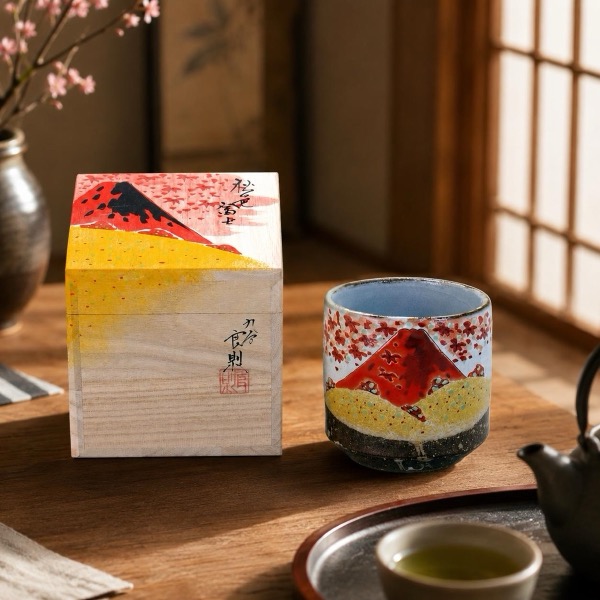
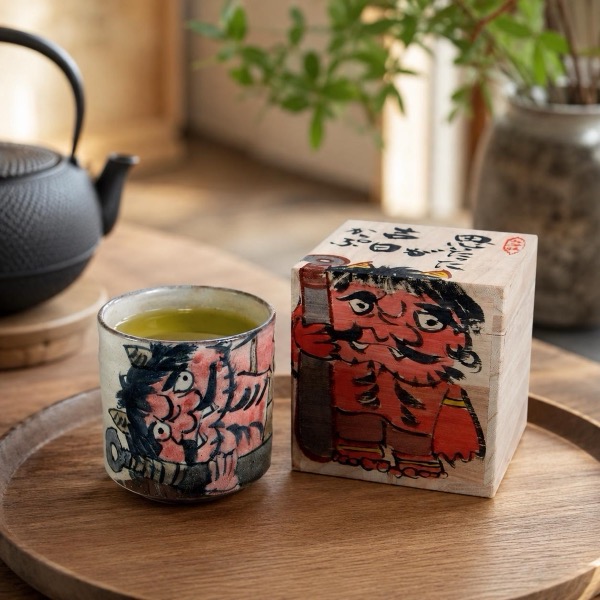
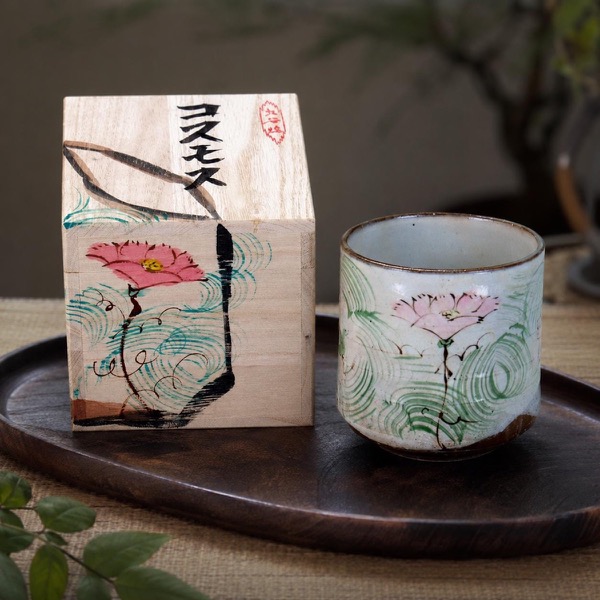
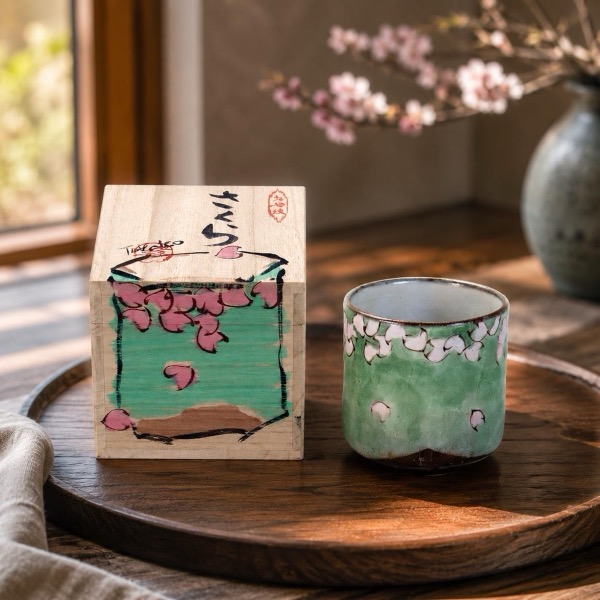
Choose a yunomi size around the break you actually take, not the largest cup you can fit on a desk. A smaller cup can suit a quick pause, while a larger one may be more practical when you prefer to sit with tea for a few minutes before returning to a task. NeoiAtelier's Kutani yunomi collection includes approximately 9-, 11-, and 13-ounce cups, so capacity is a useful starting point alongside the shape and motif. There is no universal best size: the right choice is one that feels manageable when full and leaves room for the tea to cool at a natural pace. For a closer look at capacity, motif, and daily use, see the Kutani yunomi selection guide.
How Should You Set Up a Yunomi on a Desk?
Set a yunomi on a dry, level part of the desk where you can reach it without moving other objects. A small tray, coaster, or dedicated open patch of surface can define its place and make cleanup more straightforward. Keep the cup away from the edge and away from anything that must stay dry, especially a keyboard, charging cable, or stack of papers. If you prepare tea elsewhere, carry the cup only after you have cleared a route back to the desk. If you make tea nearby, keep the brewing tools separate from the work surface so the desk remains usable once the break is over. The goal is not a styled office scene. It is a calm, repeatable place for one handmade object in a practical room.
How Can a Tea Break Stay Simple During Work?
Let the tea break fit the rhythm that already exists. A yunomi can be ready for a short pause between tasks, a quieter moment before a meeting, or a longer break away from the screen; it does not require a full tea service to be worthwhile. Fill the cup only when you have time to sit with it, then put the work aside for those few minutes rather than trying to drink while typing. This also makes the cup easier to handle and the desk easier to protect. When the break ends, rinse the cup if convenient and return it to its usual place. Repetition matters more than ceremony: a small routine is more likely to last when it is pleasant, contained, and realistic for an ordinary weekday.
How Should You Care for a Work Yunomi?
Care for a work yunomi as you would any painted Kutani tea cup: handle it deliberately, wash it gently with mild soap when needed, and let it air-dry fully before storing it. Do not leave a used cup hidden behind equipment or stacked among heavier office items at the end of the day. A clear shelf, cupboard space, or tray at home gives it a dependable resting place until the next tea break. This is especially helpful for a cup with hand-painted decoration, since easy access reduces the temptation to squeeze it into a crowded drawer. Our Kutani yunomi care guide explains the same gentle routine in more detail, and the tea-cup storage guide covers a safe place between uses.
Where Should You Begin?
Begin with one cup that you will genuinely reach for, then give it a clear place in the day. A practical capacity, a motif you enjoy seeing, and a simple resting place are enough to make a tea break feel considered without turning it into another task. Every NeoiAtelier piece is made in Japan and ships from Osaka. Explore the Japanese tea cups collection for hand-painted Kutani yunomi, then choose a cup whose capacity and character suit the kind of workday pause you already want to keep.