How to Choose a Kutani Yunomi Tea Cup
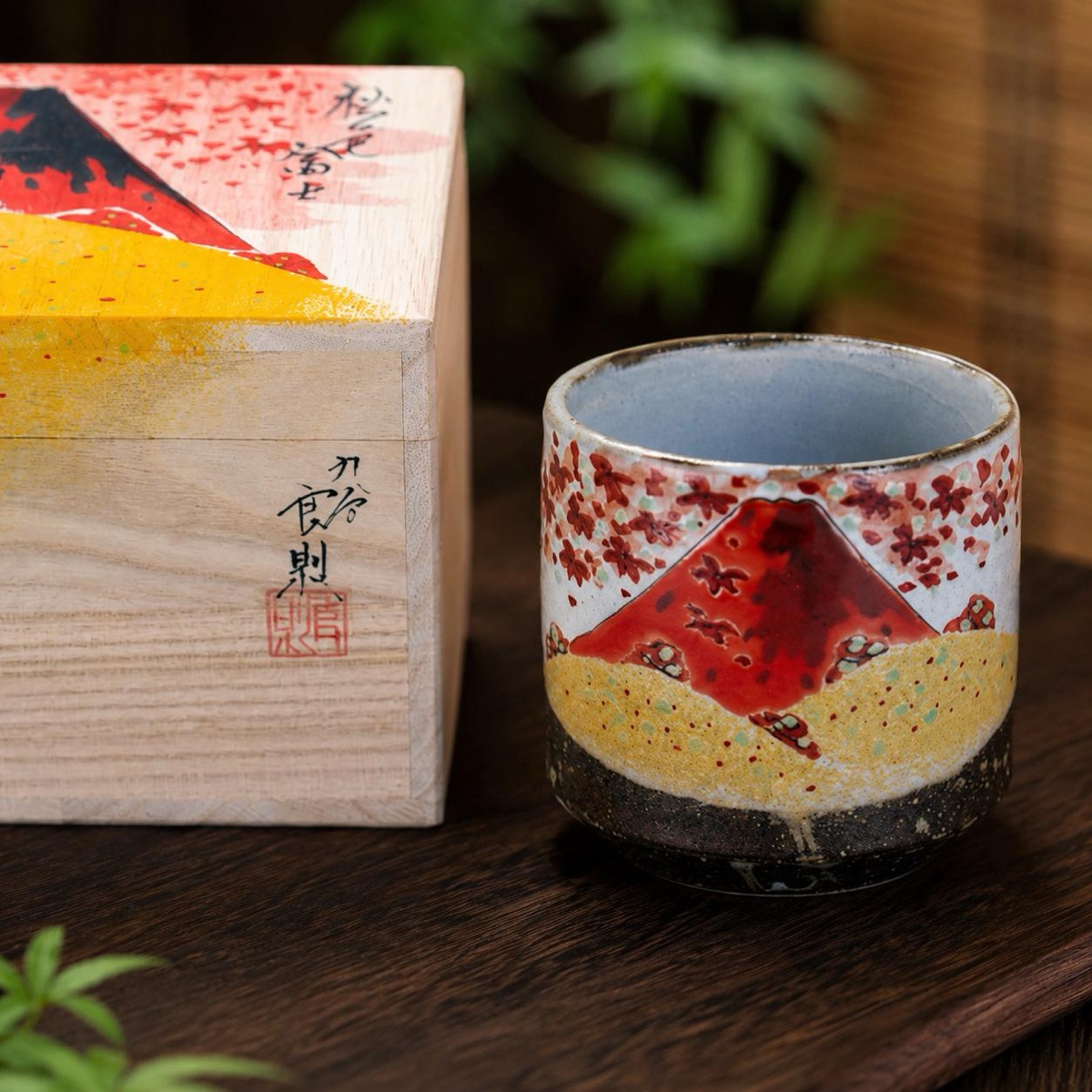
To choose a Kutani yunomi tea cup, begin with the tea habit it will serve, then compare capacity, motif, and the space where it will rest between uses. A well-chosen handle-free cup feels personal without being precious: it should be easy to reach, comfortable to hold, and suited to the pace of everyday tea.
What Should You Choose First?
Choose the daily role before choosing the pattern. Ask when you will use the cup most often: for a quiet morning pour, an afternoon desk break, or a slower evening tea. That answer is more useful than trying to assemble a formal tea setting around one object. A yunomi is a handle-free Japanese tea cup made for everyday drinking, so the best first choice is usually the one you will actually lift from the shelf. Look at the available surface, how you normally make tea, and whether the cup will be used by one person or brought out for guests. A painted Kutani yunomi can be visually expressive, but it should still earn its place through use rather than becoming a fragile prop that never leaves the cabinet.
How Does Capacity Change the Choice?
Capacity should match the pour you genuinely enjoy, not an abstract idea of the perfect tea cup. NeoiAtelier's current Kutani yunomi collection includes 270 ml, 325 ml, and 385 ml options. A 270 ml cup can suit a shorter, focused tea break; 325 ml gives a little more room for a regular daily pour; and 385 ml can fit a longer sit-down drink. These are practical starting points, not rules about which tea deserves which cup. The important question is whether you prefer to refresh a smaller serving or settle in with more tea at once. Leave enough room below the rim for a comfortable lift and a calmer pour, particularly if you make tea where you work or read.
How Should You Choose a Kutani Motif?
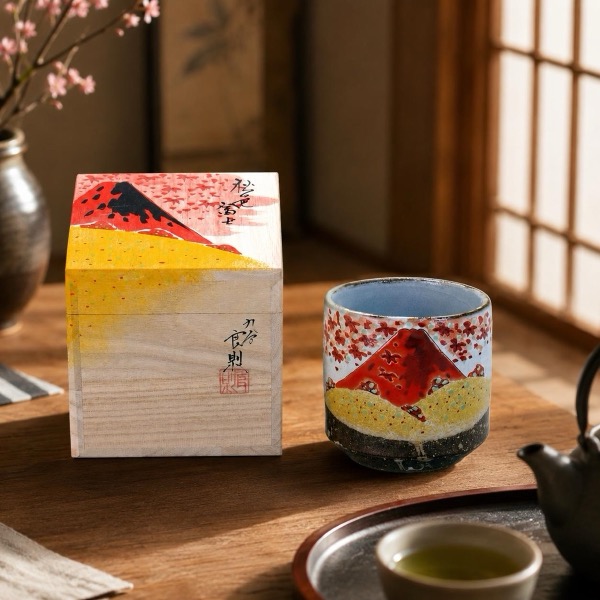
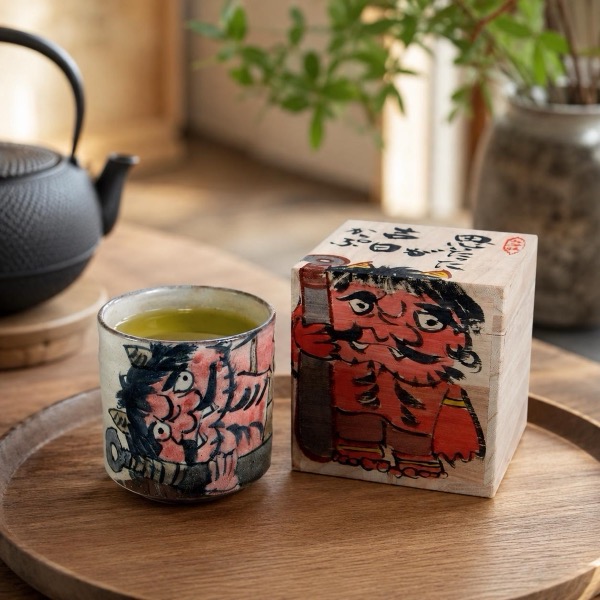
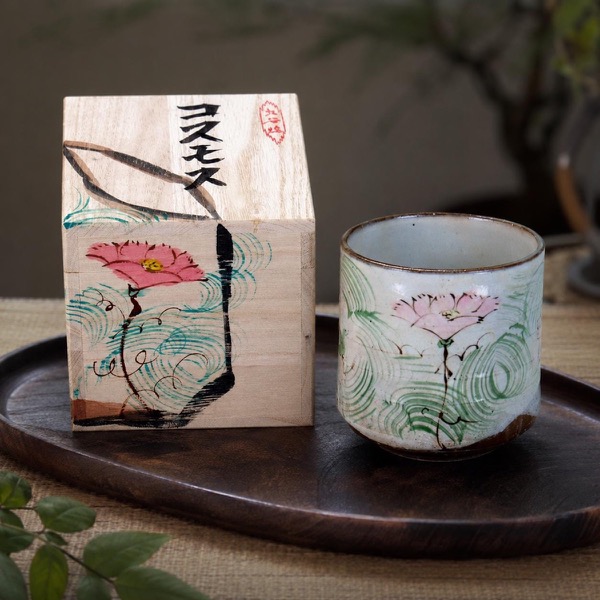
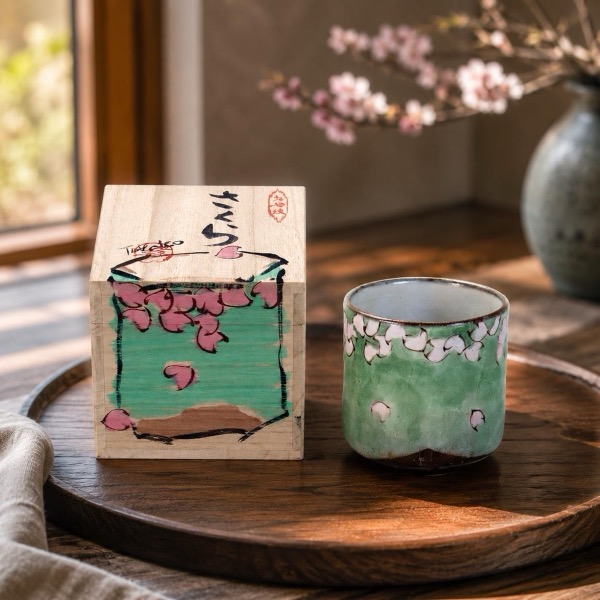
Choose a motif you will be happy to see on an ordinary day. Kutani yunomi can bring a painted image or a stronger colour note to a quiet tray, shelf, or table, so the most successful choice is usually personal rather than strictly coordinated. If your room already has busy textiles, books, or patterned ceramics, one focused cup can become the visual accent. If the room is simple, a more detailed motif can add character without demanding extra decor. Do not feel obliged to match a cup to every plate, towel, or wall colour. Instead, notice whether you are drawn to a landscape, floral detail, animal, or graphic pattern, then let that one choice remain visible. A cup you enjoy reaching for will have more lasting presence than a design selected only to complete a colour scheme.
Is a Yunomi the Right Form for Your Routine?
A yunomi is a strong choice when you want a handle-free cup for everyday tea and a piece of painted porcelain that can move naturally between kitchen, desk, tray, and shelf. It is not necessary to know a formal tea ceremony to use one well. If you are new to the form, begin with our guide to what a yunomi is. If you are deciding between a yunomi and a broader tea bowl, read the yunomi versus chawan guide before choosing. Form comes before decoration: select the cup that fits the way you drink, then allow the Kutani motif to make that ordinary pause feel more considered.
Where Will the Cup Live Between Tea Breaks?
Think about the cup's resting place before you buy it. A yunomi can live near a kettle, on a tray, or on a stable shelf with enough clear space to pick it up easily. Avoid an exposed edge, a crowded route, or a cabinet where it will be stacked under heavier objects. If you plan to keep it visible, let the cup have a simple companion such as a coaster, small tray, or a little open space rather than surrounding it with unrelated ornaments. Care is part of the choice as well: use gentle hand-washing, mild soap, and a soft cloth; avoid the dishwasher, microwave, and abrasive cleaning. Our Kutani yunomi care guide explains the routine in more detail.
Can a Kutani Yunomi Make a Good Gift?
Yes, a Kutani yunomi can make a thoughtful gift when you choose for a real habit rather than an imagined collection. A single cup is easy to place in a home, works for someone who enjoys a regular tea or coffee break, and can remain meaningful without requiring a matching set. Capacity is a helpful way to personalize the choice: select a smaller 270 ml cup for a person who prefers shorter pauses, or consider 325 ml and 385 ml options for a longer daily drink. Every NeoiAtelier piece is made in Japan and ships from Osaka. Browse the Kutani Japanese tea cups collection, then choose the motif and capacity that best fit the recipient's ordinary routine.
What Is the Simplest Way to Decide?
The simplest way to choose a Kutani yunomi is to make four decisions in order: daily use, capacity, motif, and resting place. Start with the drink you will actually make, select a size that suits your usual pour, choose artwork you will enjoy seeing repeatedly, and give the cup a clear place at home. This approach keeps a handmade piece useful instead of overly precious. For a considered first choice, begin with the Japanese tea cups collection, compare the everyday form in our yunomi guide, and read the care guide before bringing a painted cup into your daily tea ritual.