How to Care for a Kutani Yunomi Tea Cup
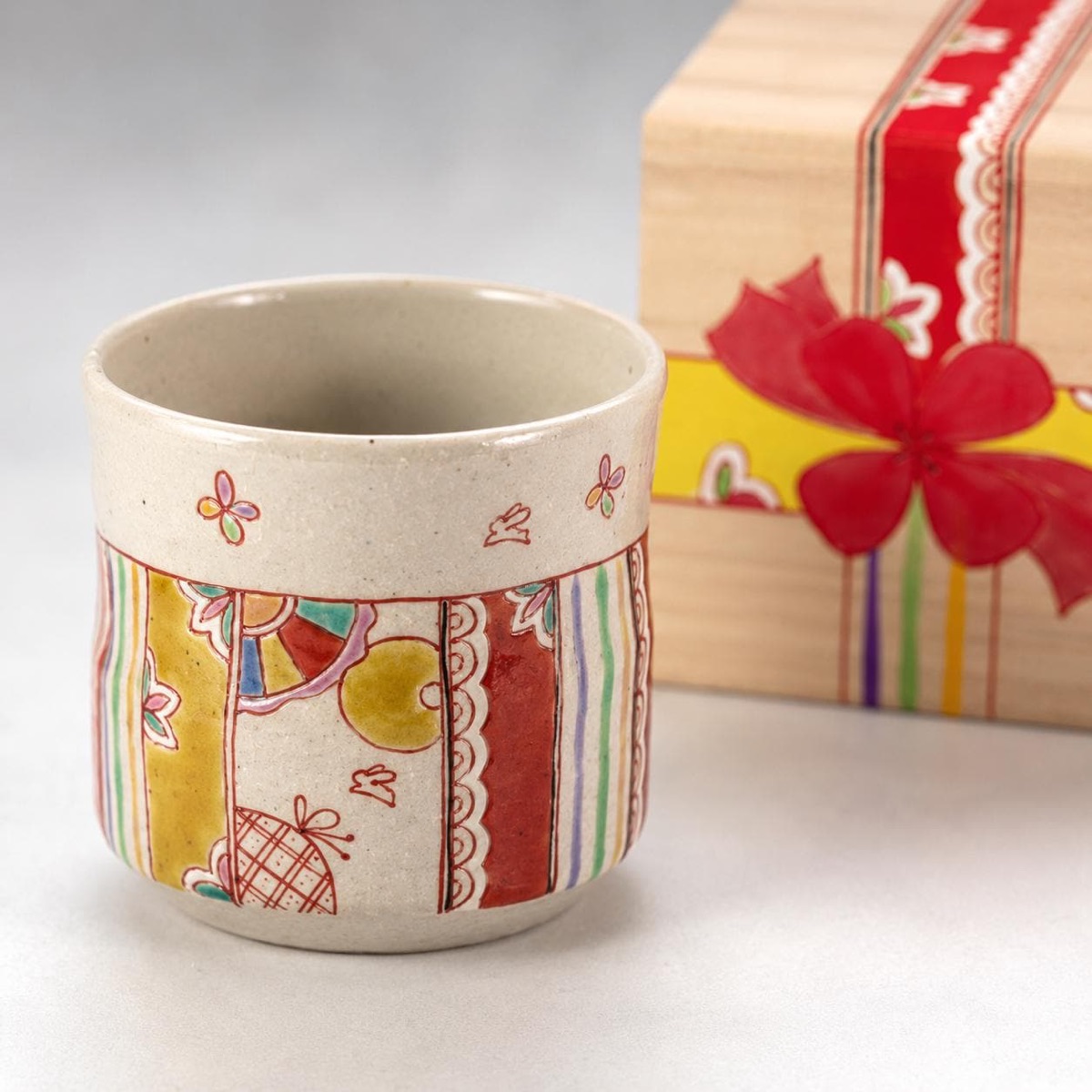
A hand-painted Kutani yunomi is best cared for with gentle hand-washing, a soft cloth, and complete air-drying before storage. Avoid dishwashers, microwaves, and abrasive cleaners: its painted overglaze enamel and any gold accents sit on top of the porcelain glaze and need the same measured handling as a small artwork.
Why Does a Kutani Yunomi Need Gentle Care?
A Kutani yunomi needs gentle care because its visible decoration is part of the surface, not something to scrub through. NeoiAtelier yunomi are hand-painted Kutani porcelain from Ishikawa, a tradition known for overglaze enamel and, on some pieces, gold accents. That makes the cup a useful everyday vessel as well as a painted object worth handling thoughtfully. The most reliable routine is deliberately simple: hand-wash gently with mild soap, use a soft cloth, and keep harsh tools away from the painted finish. This is not about making a cup too precious to use. It is about treating the practical parts of daily care with the same attention that went into the brushwork. For background on the form itself, read our <a href="/journal/what-is-a-yunomi/">guide to the everyday yunomi</a>.
What Is the Right Routine After Tea?
The right routine is to hand-wash the cup gently with mild soap and a soft cloth after use, then give it time to air-dry fully before putting it away. A short, repeatable routine is easier to keep than a complicated cleaning method, especially for a cup used for a daily tea break. Keep the focus on a light touch rather than on making the porcelain look aggressively polished. If a cup has a hand-painted scene, treat the outside with the same care as the drinking surface; both are part of the piece. The collection includes yunomi in roughly 270 to 385 ml sizes, so one useful habit can work across smaller and larger forms. Browse the Kutani Japanese tea cups collection to see the available motifs and sizes.
Should a Kutani Yunomi Go in the Dishwasher or Microwave?
No. A Kutani yunomi should be kept out of both the dishwasher and microwave when following the care guidance for NeoiAtelier tea cups. Dishwashers and abrasive cleaners are specifically unsuitable for hand-painted overglaze enamel and any gold accents, while the product care instructions also say to avoid the microwave. Hand washing keeps the routine direct: mild soap, a soft cloth, and no reliance on a machine cycle or rough cleaning surface. It is a small trade-off for a cup whose decoration is meant to be seen close-up, in the hand, rather than treated as anonymous tableware. If you are choosing a cup for regular tea, start with the practical differences in our <a href="/journal/how-to-use-a-yunomi/">yunomi use guide</a>, then make the care routine part of the choice from the beginning.
How Should You Dry and Store a Tea Cup?
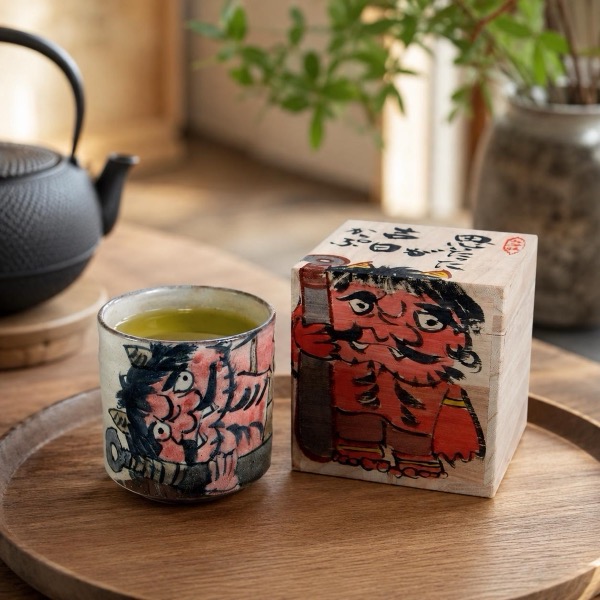
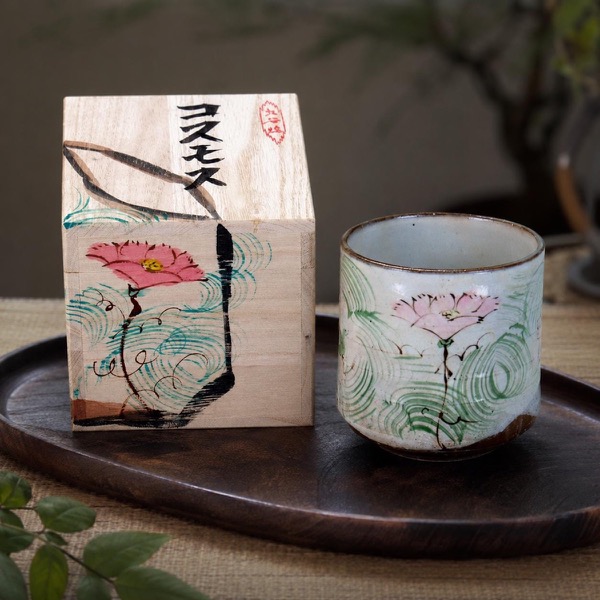
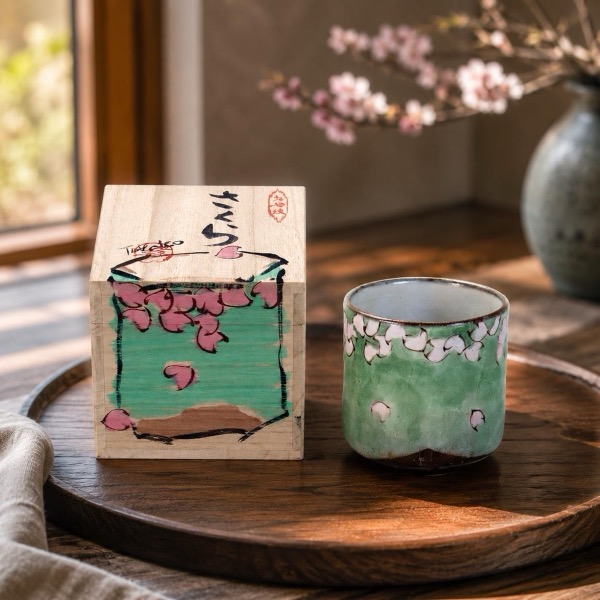
You should air-dry a Kutani yunomi fully before storage. This is the clearest storage instruction in the product care guidance, and it works well as the last step of a simple hand-washing routine. Give the cup a stable place where it can finish drying without being crowded by other objects, then return it to the cupboard or display shelf only when it is fully dry. If your cup arrived in a paulownia wood gift box, regard that box as part of the presentation rather than a reason to rush a damp cup back into storage. The point is not elaborate ceremony; it is giving a hand-painted porcelain object an unhurried, dry finish between uses. A calm shelf or tea tray also makes it easier to notice the painted motif when you reach for the cup again.
What Should You Avoid When Cleaning Painted Porcelain?
Avoid abrasives, dishwashers, and the microwave. Abrasives can work against the gentle approach required by overglaze enamel, and a dishwasher or microwave conflicts with the product care instructions for these hand-painted cups. Choose a soft cloth instead of a rough cleaning tool, and do not treat a decorative surface as though it needs force to be clean. This matters especially for yunomi with gold details or dense painted motifs, where the visual character depends on the surface remaining intact. When in doubt, keep the method conservative rather than experimenting with stronger cleaning products or tools. The same principle applies to other painted Kutani porcelain in the home: a dry or barely damp soft cloth is the standard NeoiAtelier care approach for the visible surface.
How Do You Make Care Part of Everyday Tea?
Make care part of everyday tea by choosing one cup for a familiar pause and giving it the same simple finish each time. A yunomi is designed for everyday tea rather than formal ceremony, so it should feel comfortable to reach for regularly. Its handle-free shape encourages a slower hold in both hands, while the painted decoration gives the table a small focal point. Caring for it does not require a separate ritual or special equipment: a gentle hand wash, soft cloth, and full air-dry are enough. This is also a useful way to choose between a single cup and a pair. Begin with the cup that best suits the drinker and the home, then let ordinary use establish the routine. See our yunomi versus chawan guide for help choosing the everyday form.
When Should You Check a Specific Product Listing?
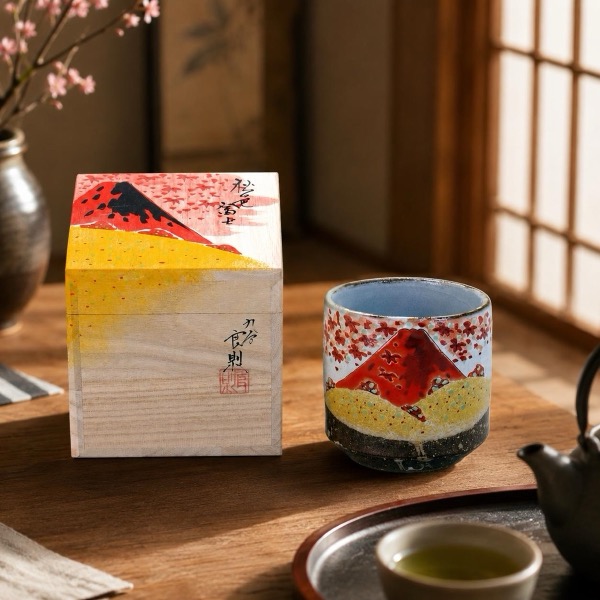
Check the specific product listing whenever you need care details for the exact cup you own or are considering. The listing is where material, capacity, gift-box information, and product-specific care notes are kept together. For example, the Master Fukuda Mt Fuji yunomi is a porcelain cup with a paulownia wood gift box and states: hand wash gently with mild soap, avoid microwave and dishwasher, and air-dry fully before storage. That level of detail is more useful than assuming all decorative cups should be treated identically. Open the Master Fukuda Mt Fuji yunomi listing to review its current product details before choosing or caring for that piece.
Where Should You Start With a Kutani Yunomi?
Start with the cup you will genuinely use, then make its gentle care routine part of the pleasure of owning it. A hand-painted yunomi can sit naturally in a morning tea break, an afternoon pause, or a small shelf display when it is not in use. Every NeoiAtelier piece is made in Japan and ships from Osaka. Browse the Kutani tea cups collection, compare the form in the yunomi guide, and select the motif that makes an everyday cup feel personal. Gentle hand-washing, no dishwasher or microwave, and complete air-drying will then give that painted porcelain the straightforward care it needs.