How to Store Japanese Tea Cups Safely
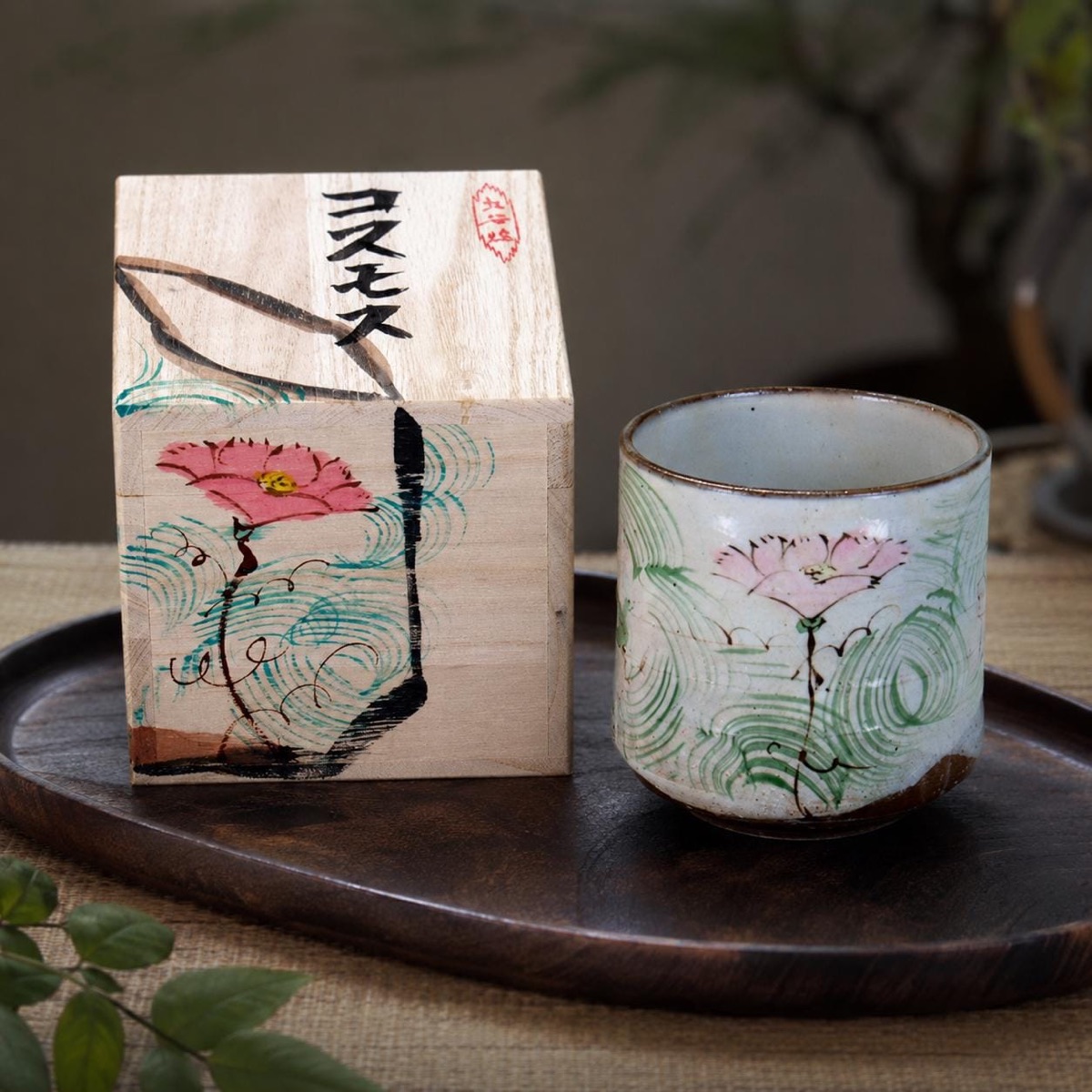
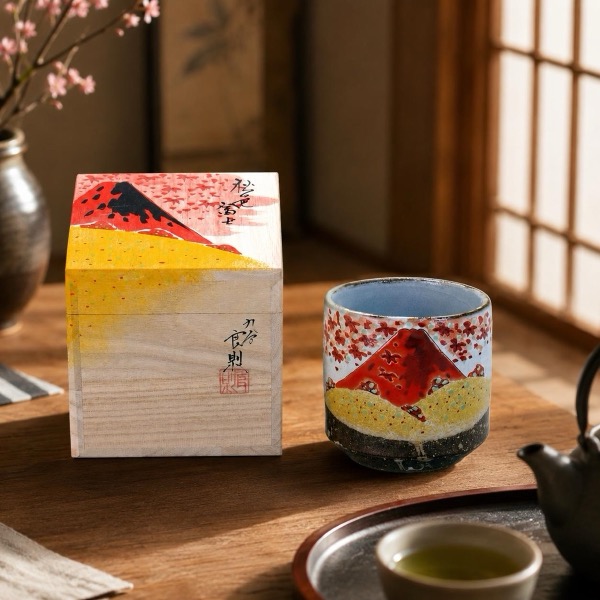
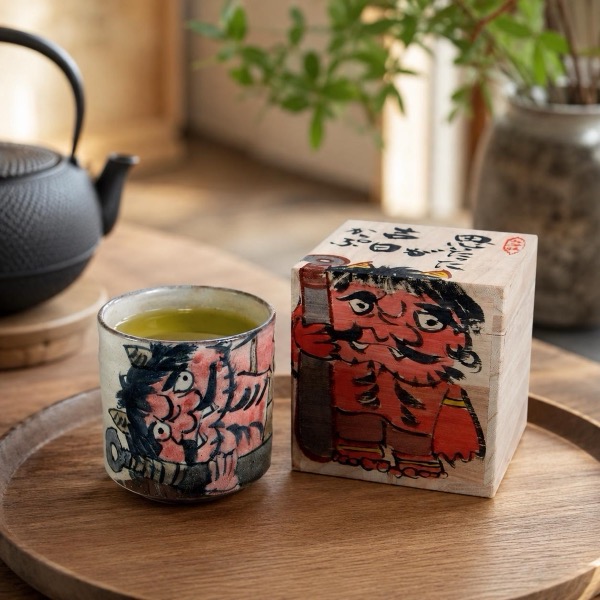
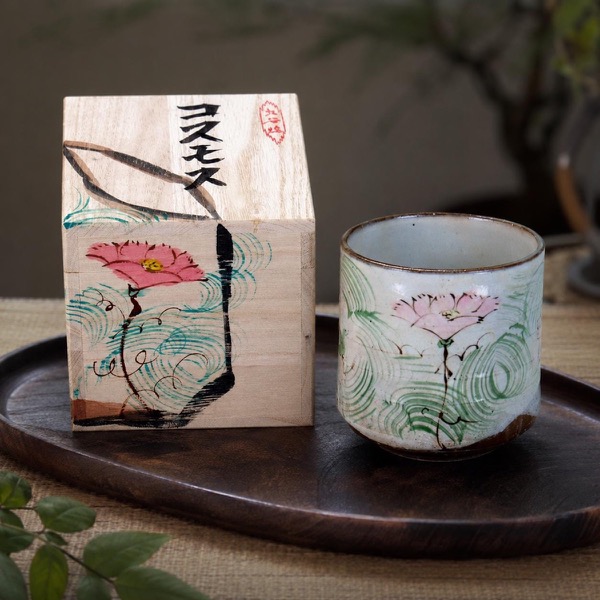
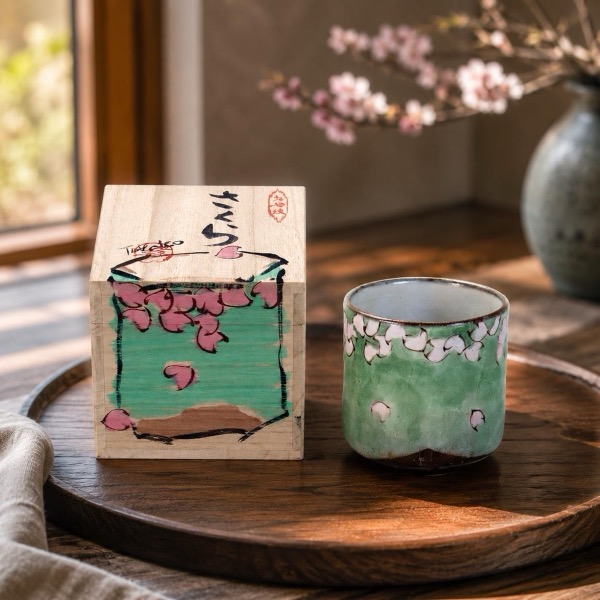
To store Japanese tea cups safely, let each cup dry completely, give it a stable resting place, and avoid unnecessary pressure from stacked or crowded objects. A simple cupboard shelf, tray, or open display can keep a Kutani yunomi easy to reach for daily tea while protecting its painted surface.
Why Does Tea Cup Storage Matter?
Tea cup storage matters because the place where a cup rests determines whether it remains easy to use or becomes an object you worry about touching. A yunomi is made for an everyday tea break, so its home should support that role: a shelf you can reach without moving a crowd of objects, a cabinet with a clear front edge, or a tray near the kettle. The aim is not to turn a kitchen into a display case. It is to give a handmade cup a reliable place between uses. When the route from shelf to tea is uncomplicated, a cup is more likely to become part of a real routine rather than staying packed away for special occasions.
Should You Display or Store Japanese Tea Cups?
Display the cups you use often, and store the rest where they stay protected. An open shelf can make one or two favorite cups part of a quiet tea corner, while a cupboard may better suit pieces you rotate for guests or seasons. Both choices work when the surface is stable, the cups are not close to an exposed edge, and there is enough room to lift each one without knocking another. A small display also does not need a matching set. One painted cup beside a simple tray or folded cloth can be enough visual interest. For the everyday role of the form, see our <a href="/journal/what-is-a-yunomi/">guide to what a yunomi is</a>.
How Should You Dry a Tea Cup Before Storing It?
Dry the cup completely before returning it to a shelf or cupboard. After hand-washing, let it air-dry on a clean towel or rack, then check the rim, foot, and inside before putting it away. This small pause is especially useful when cups sit close together or are stored upside down, because trapped moisture can make a shelf feel damp and leave the next tea break less inviting. Gentle handling is part of the routine as well: use mild soap when needed, a soft cloth, and no abrasive scrubbers. For a fuller approach to painted porcelain, our <a href="/journal/how-to-care-for-kutani-yunomi-tea-cup/">Kutani yunomi care guide</a> explains the daily care principles.
Is It Safe to Stack Japanese Tea Cups?
Stack cups only when their shape and finish allow them to sit securely, and do not force one cup inside another. A cup that rocks, catches on the rim, or presses against a painted area is better stored separately. If a small stack is genuinely stable, place a soft, clean barrier between the pieces to reduce rubbing, then keep the stack low enough to lift comfortably. For a single favorite yunomi, individual storage is usually the simplest option: it avoids guessing whether two forms fit together and makes the cup quicker to choose. The purpose of storage is protection with easy access, not fitting the greatest possible number of objects into one shelf.
What Makes a Good Shelf or Cabinet Space?
A good shelf or cabinet space is dry, level, and calm enough that you can take out one cup without rearranging the rest. Keep heavier cookware away from the cups, leave a little clearance above the rim, and avoid putting a handmade piece at the very front of a busy counter. If you use a tray, choose one that sits flat and does not slide when lifted. These ordinary decisions have more value than elaborate display hardware. They also work in a small kitchen: one clear shelf, a modest tea tray, or an uncluttered cabinet zone can give a cup a proper home without adding furniture or turning the room into a collection display.
How Can You Keep a Tea Cup Display Useful?
Keep a tea cup display useful by limiting it to the pieces you genuinely reach for. A rotating group of one to three cups lets you enjoy different motifs while keeping the surface easy to clean and the daily choice simple. You can pair a cup with the tea tools you already use, but there is no need to build a formal setting around it. If you are deciding how a handle-free cup differs from a tea bowl, read the <a href="/journal/yunomi-vs-chawan-japanese-tea-cup-guide/">yunomi versus chawan guide</a>. The best display is one that still works on an ordinary weekday, when the priority is making tea rather than arranging a photograph.
Where Should You Begin?
Begin with one cup and one reliable resting place. Dry it fully after use, give it enough space to be lifted without contact, and keep the surrounding surface simple. From there, add only the cups you truly use or enjoy seeing. Every NeoiAtelier piece is made in Japan and ships from Osaka. Explore the <a href="/collections/japanese-tea-cups/">Japanese tea cups collection</a> for painted Kutani yunomi, then use the <a href="/journal/how-to-choose-kutani-yunomi-tea-cup/">Kutani yunomi selection guide</a> to choose a cup whose capacity and motif suit your daily tea ritual.