Zabuton vs Zafu: Which Floor Cushion Do You Need?
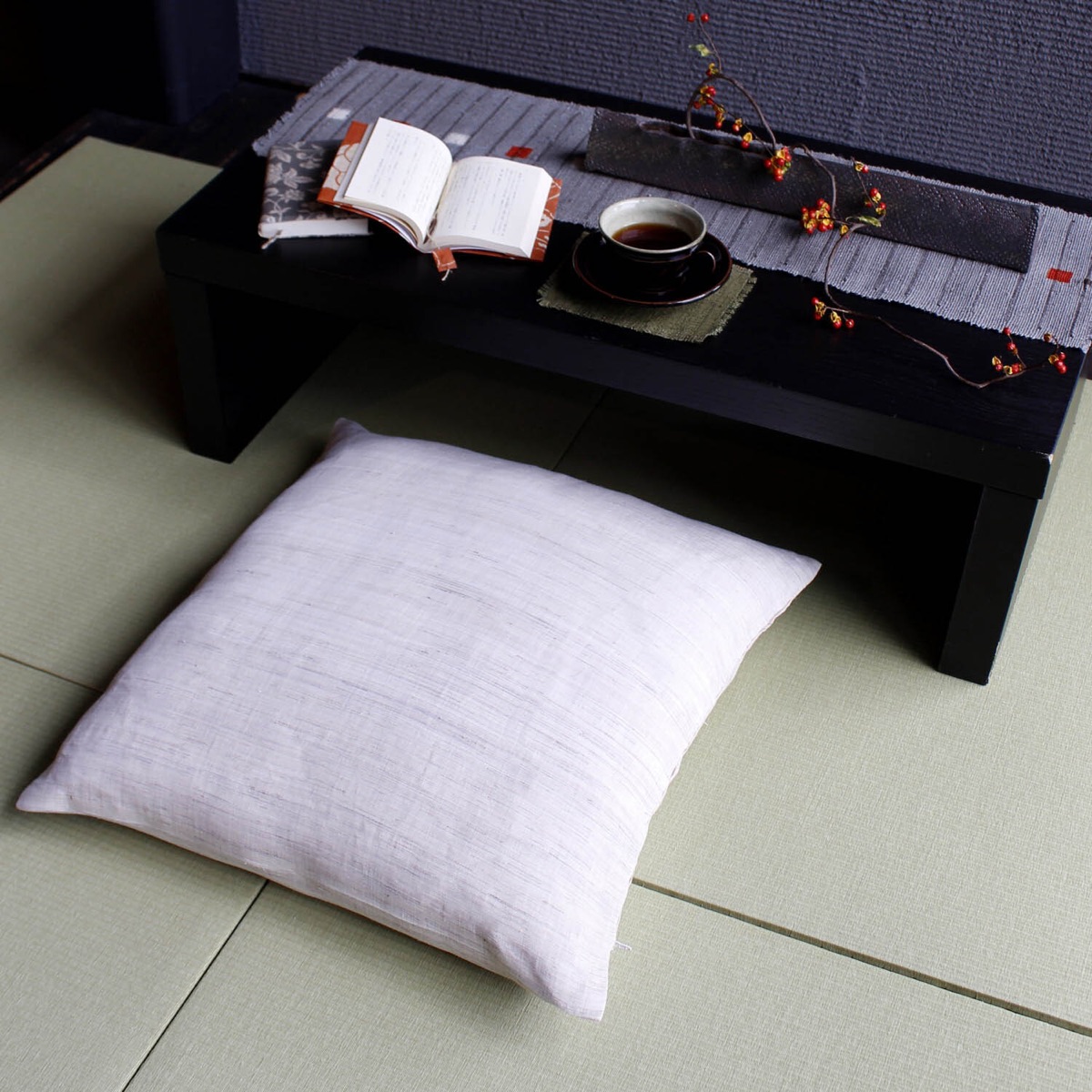
Zabuton and zafu serve different jobs in a floor-seating setup. A zabuton creates a soft, flat base for the knees, ankles, or a low seat, while a zafu is a raised meditation cushion. Choose by your posture, floor surface, and whether you need a complete cushion or a textile cover.
What Is the Difference Between a Zabuton and a Zafu?
The simplest distinction is height and role. In a meditation setup, a zafu is the raised cushion you sit on; a zabuton is the flatter padded mat beneath it. The zafu creates a higher sitting surface, while the zabuton gives the legs and lower body a softer contact with the floor. Outside meditation, zabuton also work as practical Japanese floor seats for tea, reading, or occasional guests. The words are sometimes used loosely in product listings, so do not rely on the name alone. Check whether the item is a filled cushion, a flat mat, or a cover that needs a compatible insert before deciding it fits your routine.
When Is a Zabuton the Better Choice?
Choose a zabuton when the useful thing you need is a low, flexible floor layer rather than a raised meditation seat. It can define a small tea corner, make a low table feel more intentional, or provide an extra place to sit when someone visits. A zabuton can also be part of a meditation arrangement, but it does not need to turn a room into a dedicated practice space. Start with the activity that already happens there and the clear floor area you can keep free. If a chair or sofa suits the person and activity better, it remains the better choice. Floor seating should be an option, not an obligation.
For the basic form, cover distinction, and product-specific sizes, read the NeoiAtelier zabuton guide.
When Does a Zafu Make More Sense?
A zafu makes more sense when you want a purpose-built raised cushion for a seated meditation posture. Its role is different from a flat floor cushion: it changes the height of the place where you sit. That can be useful in a meditation practice, but it is not a universal upgrade for every floor-seating situation. If you mainly want a textile seat beside a tray, bookcase, or low tea table, a zabuton or compact tea cushion may be the more direct format. If you are unsure which posture suits you, begin with a brief, comfortable trial using what you already have rather than buying a full set on assumption.
Can You Use a Zabuton and Zafu Together?
Yes. A traditional meditation arrangement can place a zafu on a zabuton, with each piece doing a different job. The raised cushion is for sitting; the flat base gives the rest of the arrangement a softer floor layer. But the pairing is not a requirement for a calm corner or for every person who meditates. A folded blanket can help you test the footprint and decide whether a floor setup fits the room at all. Keep the layout modest and leave an easy route through the room. If a more supportive seat, a bench, or a chair is the practical answer, choose that without forcing a floor-based setup.
What Size and Product Type Should You Check?
Measure the usable floor area before comparing colours or motifs. NeoiAtelier's flat linen zabuton covers use a 55 by 59 cm, or 21.7 by 23.2 inch, Meisen-standard format; its compact filled tea cushions measure 42 by 45 cm, or 16.5 by 17.7 inches. These are product-specific sizes, not a universal rule for all zabuton or zafu. The distinction between a cushion and a cover matters just as much as the measurement. A cover changes the textile surface of a compatible insert, but it is not the padded insert itself. Read the product description, match the stated dimensions, and then decide which scale gives the corner a clear purpose without blocking movement.
See the natural-ecru linen zabuton cover for the listed 55 by 59 cm format and product details.
How Can You Set Up a Small, Useful Corner?
Make the setup answer one real use case: a quiet tea pause, a reading break, a short meditation, or an extra seat. Place the cushion where it will not interrupt a walkway, and keep only the nearby objects that make the activity easier. A low tray, a book, or one cup may be enough. A patterned textile can be the point of colour in a restrained room; a plain linen cover can sit quietly with wood, tile, or a rug. Avoid adding several cushions merely to create a theme. One well-positioned floor seat is easier to use, store, and notice than a crowded arrangement.
For a flexible layout beyond meditation, see the small-space zabuton guide.
Which Option Fits Your Home?
Choose a zabuton when you want a low, adaptable floor layer and choose a zafu when a raised meditation cushion is the specific tool you need. Use both only when the combined setup has a genuine role in the way you sit. In every case, confirm whether you are buying a filled cushion or a cover, measure the space, and leave the room easy to move through. Every NeoiAtelier piece is made in Japan and ships from Osaka. Explore the Japanese linen textile collection to find a zabuton or wall textile for the calm corner you will actually use.
How Should You Start?
Start with one honest question: do you need a raised seat, a soft floor layer, or simply a more useful corner at home? Test the footprint with a folded blanket, then use the product measurements to choose the right format. A small, practical decision is more valuable than a complete-looking setup that does not suit the room. Once the floor seat has a clear role, its linen texture or hand-dyed motif can add quiet character without asking the rest of the home to follow a theme.