How to Use a Zabuton in a Small Space
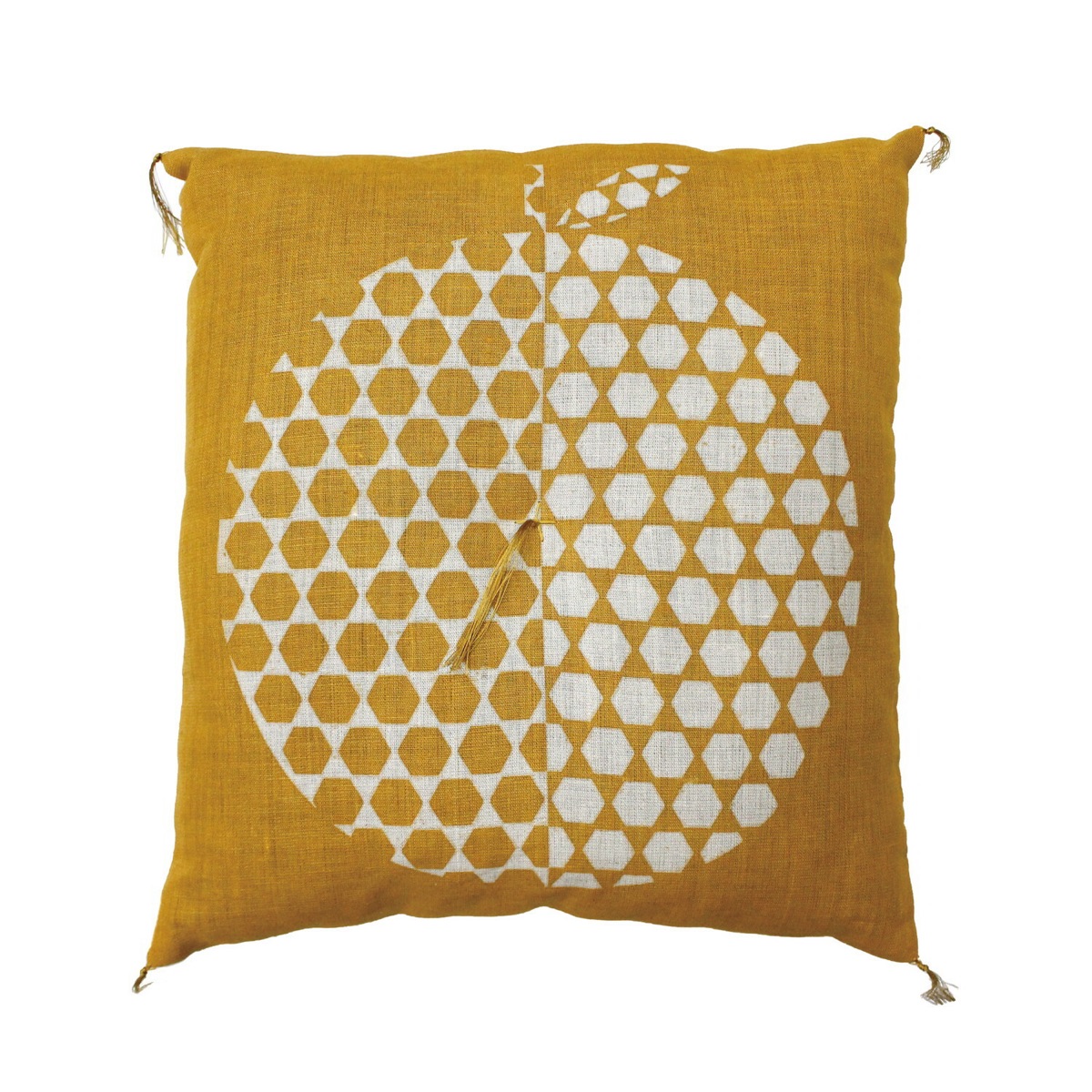
A zabuton can make a small room more flexible by creating a defined, comfortable floor-seating spot that is easy to clear when the room needs to do something else. Start with one cushion, give it a purposeful place, and add only the objects that support the way you actually read, drink tea, work, or welcome a guest.
Why Use a Zabuton in a Small Space?
A zabuton is useful in a small space because it gives an ordinary patch of floor a clear role without asking for permanent furniture. Put one beside a low table, at the end of a sofa, or near a window, and the corner can become a brief place to sit with tea, read, stretch, or talk. When you need the floor again, the cushion can be moved or stored without rearranging the whole room. The aim is not to recreate a formal Japanese room or to live at floor level all day. It is to make one part of the home more adaptable. For the basic form and its traditional role, read our guide to Japanese floor cushions before choosing a size or style.
Where Should a Zabuton Go?
Place a zabuton where the room already invites a pause, rather than putting it in the middle of the traffic path. A quiet end of the living room, the side of a bookcase, or a spare section of bedroom floor can be enough. Leave a clear route through the room and avoid treating the cushion as a loose decorative object that has no relationship to the furniture around it. In a compact apartment, a corner is often more useful than a central arrangement because it keeps the room legible when the cushion is not in use. Notice the light, nearby surfaces, and what you reach for most often. A cushion beside a small side table can be more practical than a larger setup that interrupts daily movement. For broader placement ideas, see our Japanese living room decor guide.
How Can You Build a Useful Floor-Seating Corner?
Build the corner around one activity first. For reading, place the zabuton near a lamp and leave space for a book or drink on a stable nearby surface. For a tea pause, keep the setting simple: a cushion, a low tray or table, and only the cup or pot you plan to use. For occasional guests, choose a place that can be opened up quickly without asking anyone to squeeze between furniture. A rug can visually define the area, but it is optional; the most important thing is that the cushion rests on a clean, level surface. Do not add a low table merely because it looks right in a photograph. Add one only when it makes the activity easier. A small space works best when every piece earns its place through use.
What Size and Material Should You Consider?
Choose size according to the available floor area and the kind of sitting you expect, then confirm the specific product measurements rather than guessing from an image. A compact tea cushion can suit a reading or tea corner, while a wider floor-cushion cover may make more sense for a regular seating spot. NeoiAtelier's linen zabuton covers include a standard Meisen-size option listed at about 55 by 59 cm, so measuring the corner first is worthwhile. Linen offers visible texture without requiring a busy pattern, which can help a small room feel composed rather than crowded. Browse the noren and textile collection to compare made-in-Japan linen pieces with the room's existing colours and materials.
How Should You Style a Zabuton Without Adding Clutter?
Style a zabuton as part of a small group of useful things, not as the beginning of a themed display. Let its colour or textile surface relate to one nearby element: a wooden table, a ceramic cup, a linen curtain, or a framed print. Then keep the rest of the area open. A restrained setup makes it easier to notice the handmade material and easier to return the room to another use. If the cushion is patterned, pair it with plain surroundings. If it is a solid linen, one small object with colour can give the corner character. Avoid piling cushions together just to make the floor look soft; a single well-positioned zabuton is often clearer and more inviting. Our Japanese reading nook ideas offer another way to make a compact pause space feel intentional.
Can a Zabuton Work for More Than One Activity?
Yes. The most convincing small-space setup is one that can change with the day. A zabuton can support a quiet cup of tea in the morning, a reading break in the afternoon, and additional floor seating when someone visits. Keep any supporting items portable so the corner does not become an obstacle once the activity ends. A low tray can return to a shelf, a book can go back to its place, and the cushion can rest upright against a wall or be put away if more clear floor is needed. This flexibility matters more than copying a fixed layout. Let the cushion be part of the rhythm of the room, rather than treating it as an object that must always be on display.
How Do You Start With One Zabuton?
Start with one zabuton and one honest use case: a tea pause, a reading spot, or extra seating for a compact living room. Measure the space, choose a linen colour or motif that works with what you already own, and keep the surrounding surface clear. Every NeoiAtelier piece is made in Japan and ships from Osaka. Explore the Japanese linen textile collection to find a zabuton or wall textile that brings practical comfort and quiet character to the corner you use most.