Japanese Living Room Decor Ideas for a Calm, Useful Space
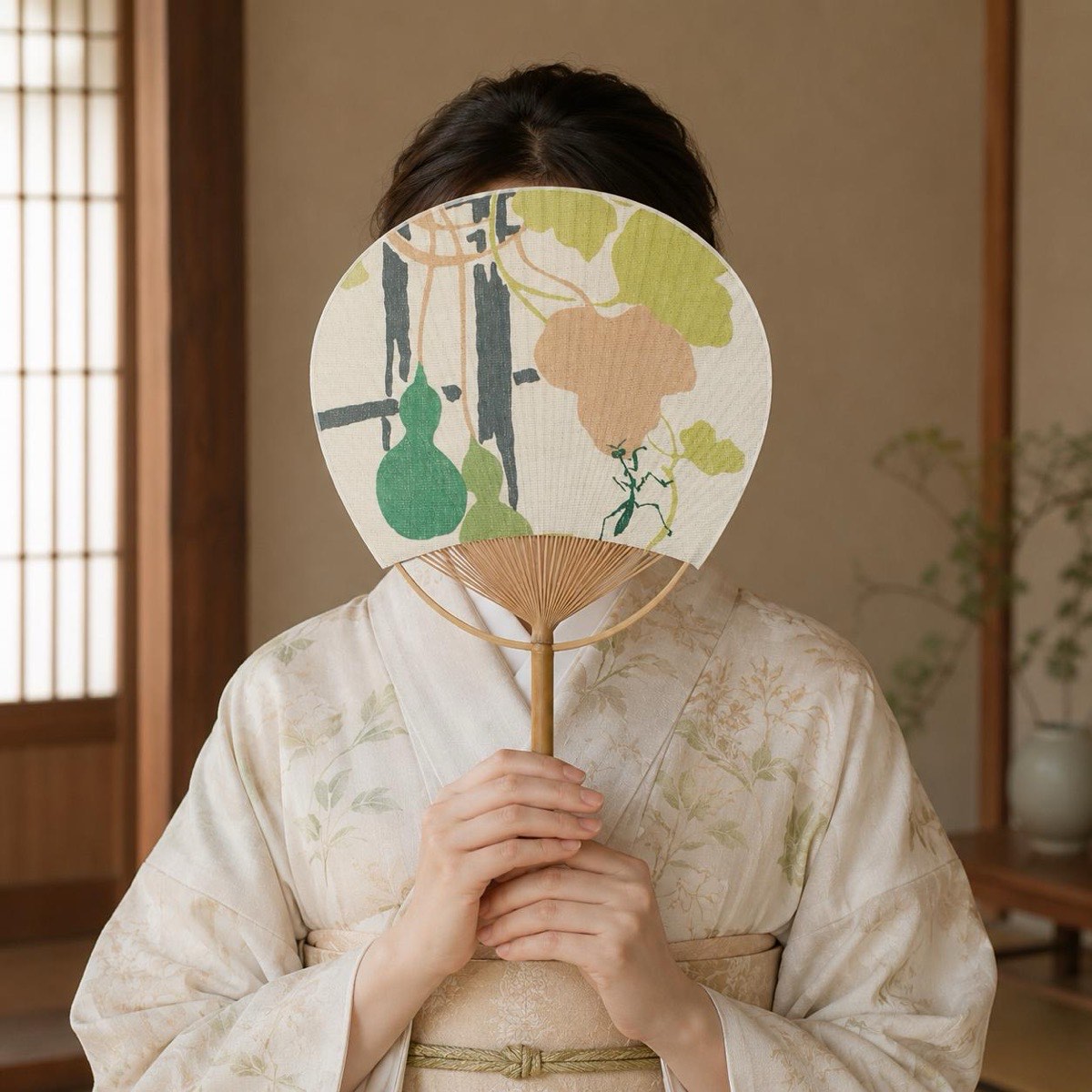
Japanese living room decor works best when it helps the room feel calm without making it harder to use. Begin with one crafted focal point, one natural texture, and clear routes around the seating. This leaves room for conversation, tea, and daily life while giving handmade pieces the attention they deserve.
What makes Japanese living room decor feel calm?
Japanese living room decor feels calm when the room is arranged around what happens there every day. Start with seating, the path to the door, and the surface where you put a book, cup, or remote. Then choose a limited group of materials that sit comfortably together, such as wood, linen, bamboo, and painted porcelain. Their texture gives the room character without requiring a crowded palette. Leave visible space between the sofa, wall art, and storage instead of filling each empty area. This approach is especially useful in a compact room, where one table might support tea, work, and guests. A calm arrangement is not empty; it is edited so that each object has a role and enough space to be noticed.
Which object should set the room's direction?
Choose one useful object or material to set the direction, then let the rest of the room support it. A painted yunomi can make a small tray feel personal, a linen textile can soften a doorway, and a bamboo fan can create a light focal point on the wall. Pick the one that already fits your routine or the room's strongest surface. If the sofa, rug, and curtains are already patterned, choose a quieter crafted piece. If the room is mostly plain, one more detailed textile or fan can carry the visual weight. Avoid trying to show every Japanese object at once. A living room feels more considered when its craft story is told through one clear focal point, followed by simpler materials and open space.
How can a noren or textile shape the room?
A noren or textile can shape the room by marking a transition without building a hard divide. Hang one at an open doorway, beside a hall, or where you want to soften the view toward storage. Its vertical line gives the room a sense of structure while the split panel keeps the route easy to use. Let the textile be the main pattern in its zone, then repeat only one quieter color in a cushion, book cover, or small tray. Keep fabric away from open flames, damp cups, and a path where it will be constantly brushed. Explore the noren and textile collection, then use the noren size guide and no-drill hanging guide before choosing a location.
Where do tea cups belong in a living room?
Tea cups belong in a living room when they are ready for the way you actually drink tea. Keep one or two yunomi on a small tray near a kettle or serving area, or bring them out when friends visit rather than using them as permanent shelf filler. A low tray, plain coaster, and one book are usually enough companions for hand-painted porcelain. This keeps the cup useful and protects it from becoming part of a crowded display. If you place cups on an open shelf, give them a stable position away from an edge and leave room to lift them easily. Browse the Japanese tea cups collection and read the yunomi guide to choose an everyday shape that suits your tea ritual.
Can Japanese fans work as living room wall decor?
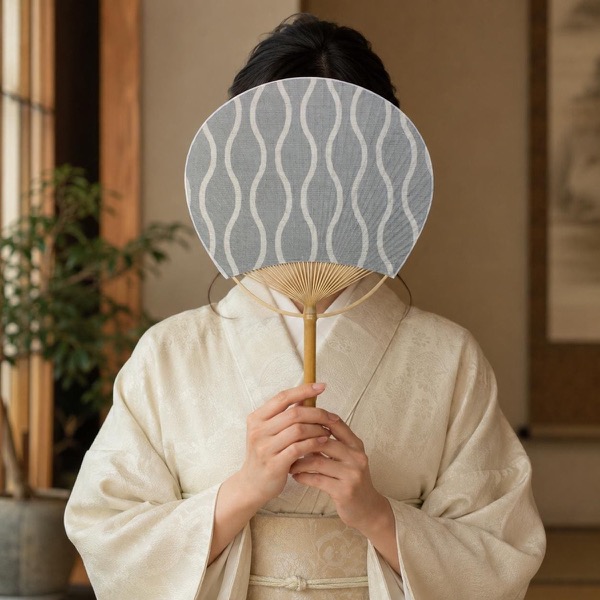
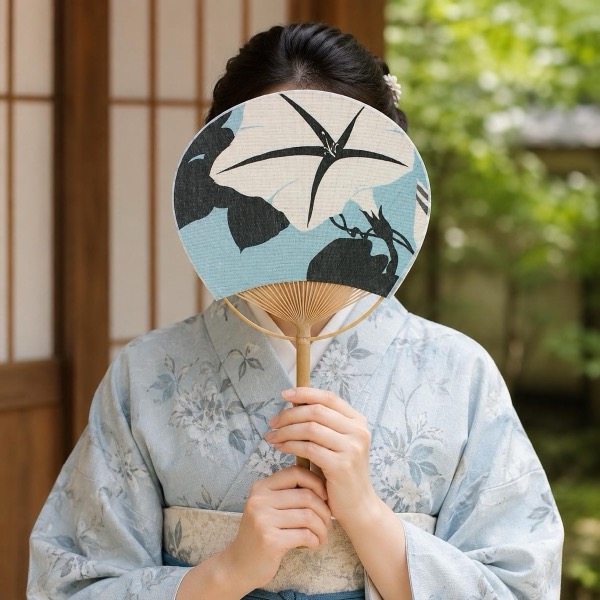
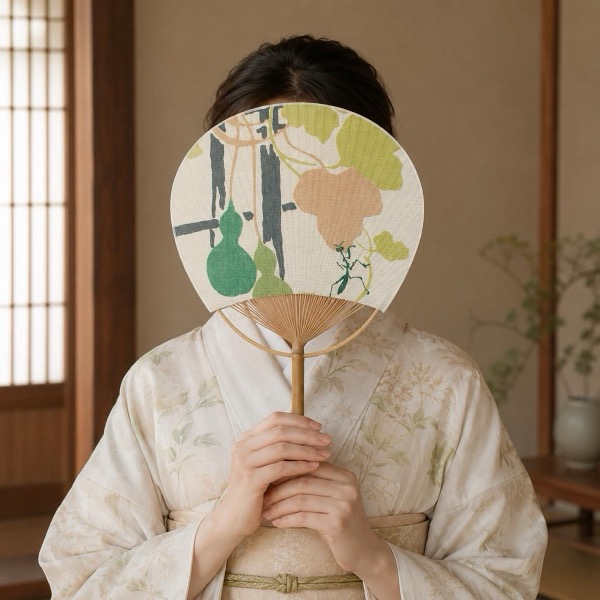
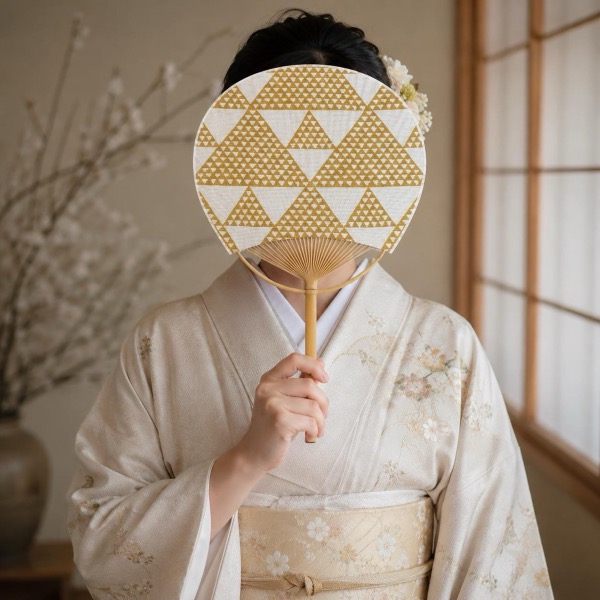
Japanese fans work as living room wall decor when they provide one clear graphic note rather than a full themed arrangement. A single fan above a low console, a modest pair on a broad wall, or one fan beside a reading chair can bring color and texture without taking up floor space. Give a detailed fan a simpler background and keep it high enough that the sofa, chairs, and daily movement will not brush it. The bamboo frame and textile face can echo wood furniture or linen cushions without requiring a literal match. See the Japanese fan wall decor collection and the fan wall-display guide for placement ideas. A fan is strongest when it is the only bold shape in its immediate zone.
Can an incense burner sit in the living room?
An incense burner can sit in the living room as a porcelain object, but burning incense needs a stable, heat-resistant surface and careful attention. Keep a lit koro well away from curtains, textiles, paper, books, pets, children, and any route where it could be disturbed. Never leave it unattended, and ventilate the room after use. If the room does not offer a safe position, display the koro there and burn incense in a more suitable place. Kutani ware has been made in Ishikawa since 1655, so a hand-painted koro can still provide a considered focal point when it is not in use. Explore the Japanese incense collection and read where to place an incense burner at home before adding scent to the room.
How do you keep the room useful instead of crowded?
Keep the room useful by giving each surface a job. A coffee table can hold a tray and one handmade object, but it should still have space for a cup, feet, or a board game. A shelf can hold a fan or porcelain piece, but it should not become a line of unrelated souvenirs. Work from the largest elements to the smallest: seating and floor route first, then a textile or wall accent, then one or two objects on a table or shelf. If you want a more layered look, move the next piece to another zone rather than adding it to the same surface. This creates a rhythm around the room and makes cleaning easier. Clear space is not unfinished decor; it is what lets craft, conversation, and ordinary living coexist.
What is a practical Japanese living room gift?
A practical Japanese living room gift is one crafted object that fits a real place in the recipient's home. A linen noren suits an open doorway, a fan suits someone with clear wall space, a yunomi suits a regular tea drinker, and a koro suits someone who already has a safe place to use or display it. Choose by the recipient's routine and available room, not by trying to furnish the entire space. Every NeoiAtelier piece is made in Japan and ships from Osaka, so the curation can begin with a genuine object rather than a generic theme. Start with the Japanese gifts collection or browse Japanese gifts under $150 for a more focused selection.