Japanese Incense vs Candles: Which Fits Your Home?
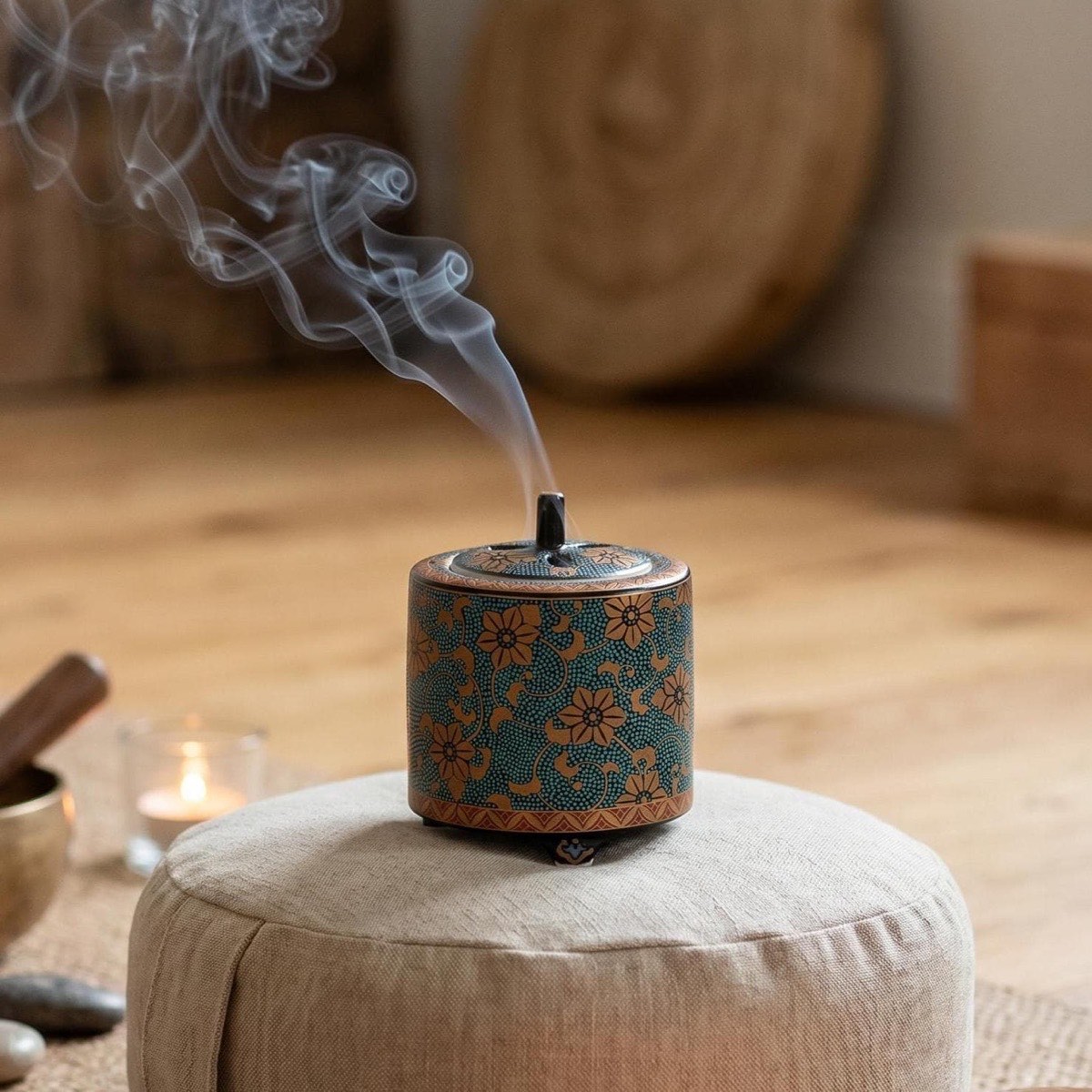
Japanese incense suits a short, deliberate fragrance pause, while a candle suits a longer stretch of light and atmosphere. Neither is automatically better for every home. Choose by the time you have, the kind of scent experience you enjoy, and whether you want the object to work as display when it is not lit.
What Is the Practical Difference Between Japanese Incense and Candles?
The practical difference is the rhythm each format creates. Japanese incense is usually chosen for a contained session: you light one piece, stay attentive to it, and let the fragrance mark a small transition in the day. A candle often creates a longer visual presence as well as scent, so it can suit a meal, reading time, or an evening when you expect to remain in the room. Both ask for a stable, heat-safe surface and responsible use. The useful question is not which format is more refined. It is whether you want a brief scent ritual, a longer pool of light, or simply an object whose shape adds character to the room between uses.
When Does Japanese Incense Fit a Home Routine?
Japanese incense fits a home routine when you want a clear beginning and end to a fragrance moment. It can work before settling into a book, after putting away a workday, or when you want to notice one room without making scent the background for the whole evening. Start with the incense maker's directions and the format your burner can support; sticks, cones, coils, and loose materials do not all use the same setup. Keep the routine modest, especially when you are learning what feels comfortable in your own space. Browse the Japanese incense collection, then use our guide to choosing incense for a koro to match the format to the burner.
When Is a Candle the Better Choice?
A candle can be the better choice when visible light is central to the experience or when you expect to stay in one place for a longer period. It may suit a dining table, a quiet bath, or a reading chair where a soft flame is part of the atmosphere you want to create. That does not make incense less appropriate for the same home. The two formats simply place attention differently: a candle is often a steady visual companion, while incense is often a shorter sensory cue. Choose a candle when its light and longer presence match the moment, and choose it only with the same care you would give any open flame. Your routine should decide, not an idea that one home-fragrance format is universally calmer or more sophisticated.
How Should Time and Attention Shape the Choice?
Time and attention are the simplest filters. If you have a few quiet minutes and want a scent-focused pause, incense can make the beginning of that pause feel intentional. If you are settling in for a longer activity and want light as well as fragrance, a candle may be more natural. In either case, do not light something you cannot supervise. Plan the session around the actual time you will be present rather than around an imagined ideal ritual. It is also reasonable to have both at home and choose between them according to the occasion. A small, repeatable routine is usually easier to enjoy than a complicated one with too many scents, accessories, or rules.
What Safety Checks Matter for Both Formats?
For either incense or candles, begin with a stable, heat-safe surface that is clear of curtains, paper, dried flowers, bedding, and anything that could be disturbed by heat or a draft. Keep the product in view while it is lit, and extinguish it before leaving the room or going to sleep. Follow the maker's directions for the specific incense, candle, and holder instead of assuming one setup applies to every product. Let the vessel cool before moving, emptying, or cleaning it. These are practical habits, not a claim that one fragrance format eliminates risk. For a koro-specific setup, read how to use a Japanese incense burner, and use our incense-burner placement guide to choose a thoughtful resting place.
Can the Display Object Influence Your Decision?
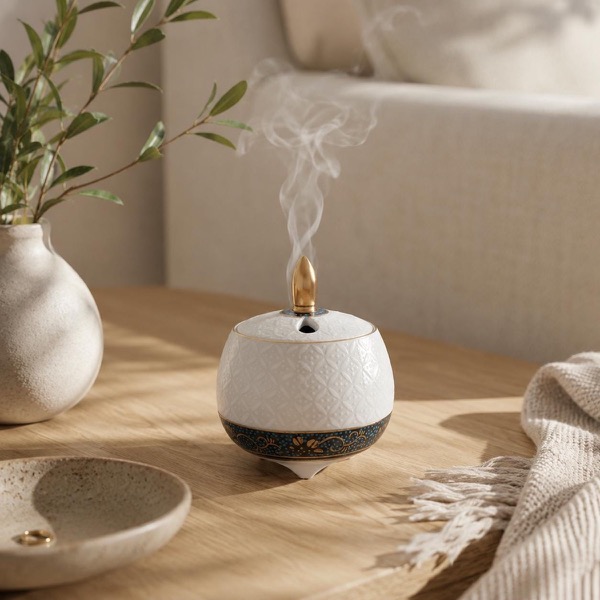
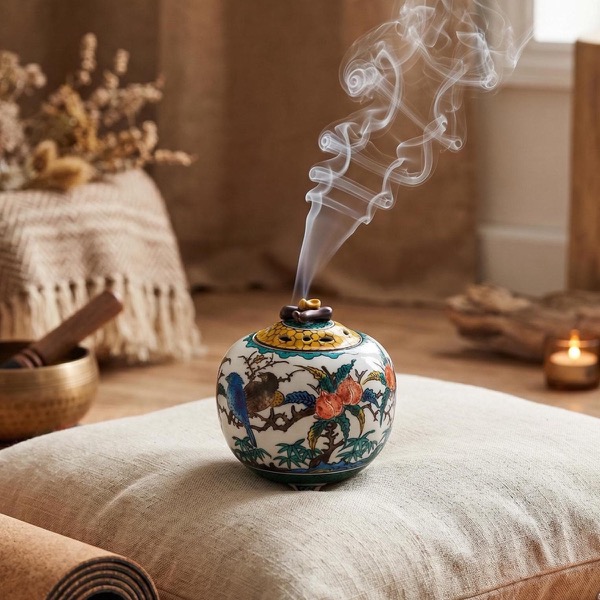
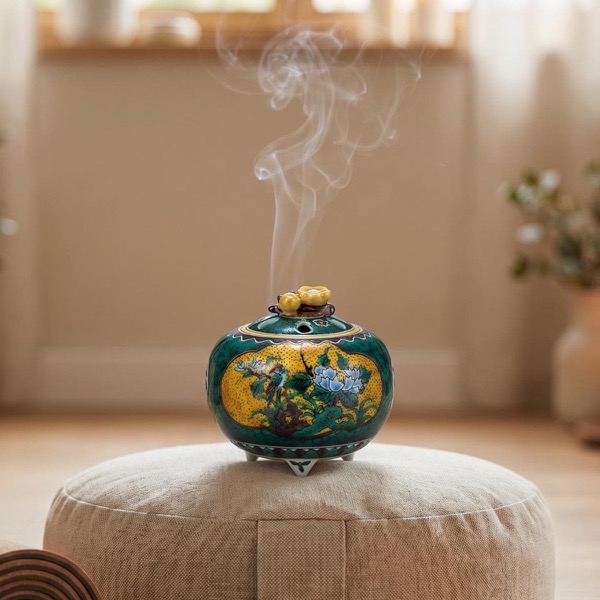
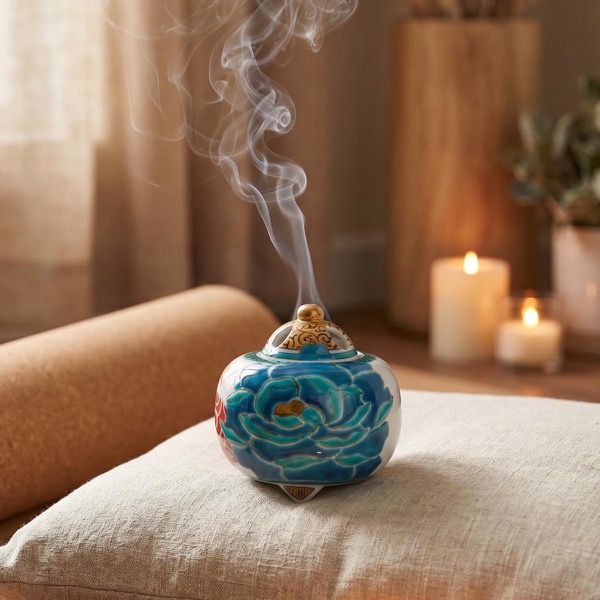
Yes. A candle jar is often primarily a vessel for the candle, while a Japanese koro can remain a finished decorative object even when no incense is burning. That makes a koro useful for someone who wants a small piece of painted porcelain on a shelf, console, or tea corner as well as a practical incense burner. A koro is not a substitute for every type of holder, however. The depth of its bowl, the lid, and the support inside need to suit the incense format you intend to use. Our koro versus incense holder versus incense bowl guide explains the different roles before you choose the form that belongs in your space.
Can You Use Japanese Incense and Candles Together?
You can keep both formats at home, but use a simple approach. Choose one as the main event for a particular moment instead of trying to layer several strong fragrances at once. An unscented candle may provide light when you want to focus on the incense, while a scented candle can stand on its own when light is the point of the evening. Give each object its own stable surface and follow its instructions. This keeps the decision clear and helps you notice what you genuinely enjoy. The aim is not to build a perfect ritual. It is to make room for an ordinary pause that feels calm, manageable, and safe.
Where Should You Start?
Start with the moment you want to support. Choose Japanese incense when you want a brief, scent-led pause and a burner that can also be displayed as craft. Choose a candle when a longer period of light is central to the occasion. Every NeoiAtelier piece is made in Japan and ships from Osaka. Explore the Japanese incense collection to find a Kutani koro whose scale and painted character suit the place where you will actually use it.