How to Choose Japanese Incense for a Koro
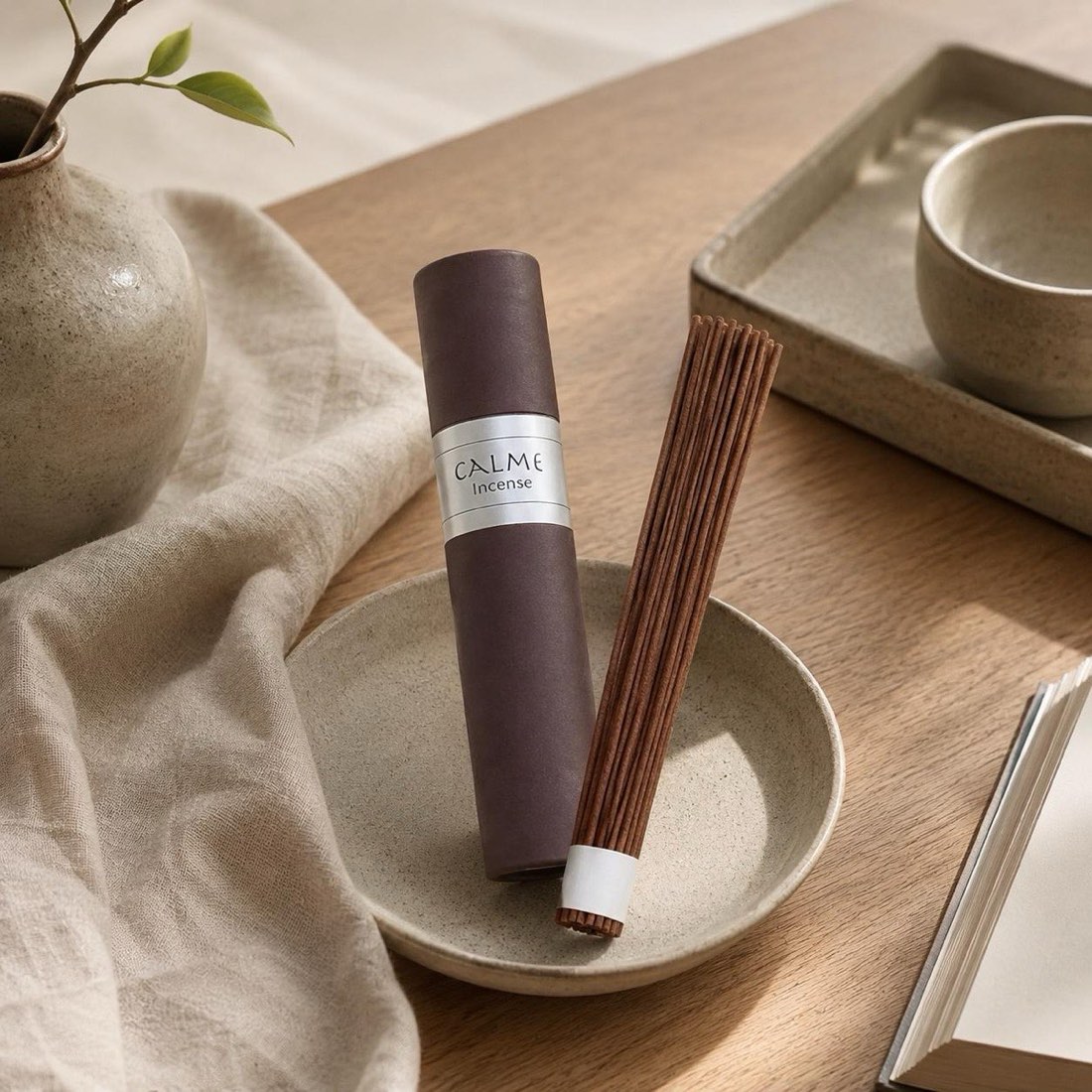
Choose Japanese incense for a koro by matching the format and strength to the burner's instructions, the room, and the time you have to supervise it. Start with one short stick that fits the setup, use a heat-safe surface, and test one scent at a time before making it part of your routine.
Which Incense Format Works in a Koro?
The right incense format is the one your particular koro can hold securely and burn safely. A short stick is a practical starting point when the burner has a loose ash bed that can support it upright; leave the lid off for a tall, burning stick. A cone, coil, or loose aromatic material may need a heat-safe insert, a dedicated dish, or another setup specified by its maker. Do not treat every decorative koro as interchangeable with an open stick holder. Look at the burner's interior depth, the opening in its lid, and the instructions on the incense packaging before lighting anything. If either product leaves the method unclear, choose a simpler holder or ask the maker rather than improvising a fit.
How Should You Choose a Scent for Your Room?
Choose a scent by the kind of moment you want to notice, not by an expectation that fragrance should fill the whole house. A fresh or woody option can be a good place to begin if you want a restrained daily ritual, while a warm or spicy option can feel more present in an evening pause. Start with a single stick in the room where you plan to use the koro, with ordinary ventilation and no competing candle or diffuser. That small trial tells you more about the scent in your own space than a product name alone. If the fragrance feels too strong, shorten the session only when the product instructions allow it, or choose a lighter option next time.
What Should You Check Before Lighting Incense?
Before lighting incense, check that the koro is stable, cool, and placed on a heat-resistant surface with open space around it. Keep it away from curtains, paper, dried flowers, bedding, pets, and anything that could be disturbed by a draft. Read the instructions for the specific incense and burner, then stay in the room while it burns. A koro can contain ash and add a composed visual presence, but it does not remove the need for supervision. This is also the moment to decide whether the amount of time you have matches the burn you are starting. A quiet ritual is easier to enjoy when you do not need to leave it halfway through.
How Can You Test a New Japanese Incense?
Test a new Japanese incense in the simplest possible way: use one scent, one familiar spot, and one fully cooled koro. Avoid judging several varieties in the same session, because the remaining fragrance can make it hard to understand what you actually prefer. Notice whether the scent is comfortable at the distance where you sit or work, whether the ash stays inside the burner, and whether the format feels easy to place and remove after cooling. Keep a brief note of the scent name and the setting if you are comparing options for a gift or a regular practice. Testing this way keeps the choice practical and makes a future purchase feel more intentional than choosing only from a description.
Can You Use Sticks, Cones, and Loose Incense Interchangeably?
No. Sticks, cones, coils, and loose aromatic materials need different support and heat management, so use only the format the burner and incense maker approve. A koro with a prepared ash bed may be suitable for a short stick, while a cone may need a stable heat-safe dish or another insert. Loose material and charcoal-based methods are more specialised and should not be attempted from a general stick-incense routine. The useful rule is simple: the burning end must be stable, clear of the porcelain, and contained in a setup designed for it. If you want to understand the ash-bed method first, read our guide to incense ash for a Japanese koro before changing formats.
How Does the Koro Affect Your Choice?
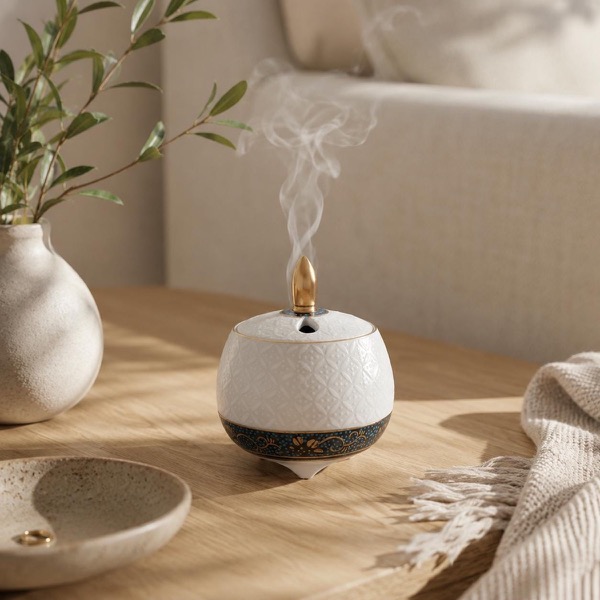
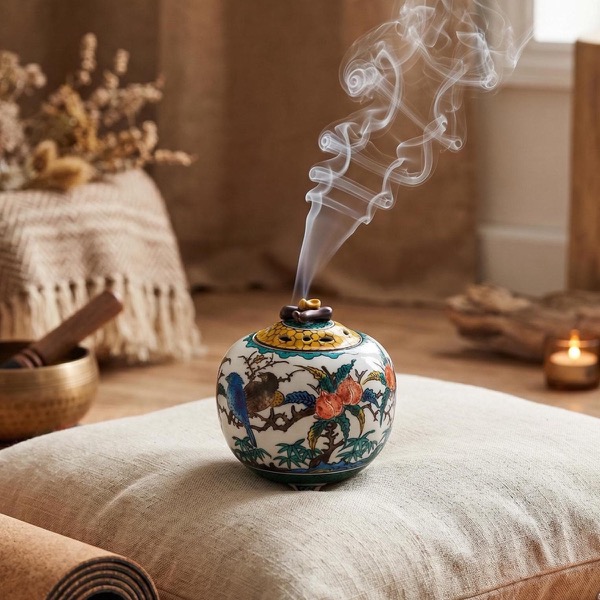
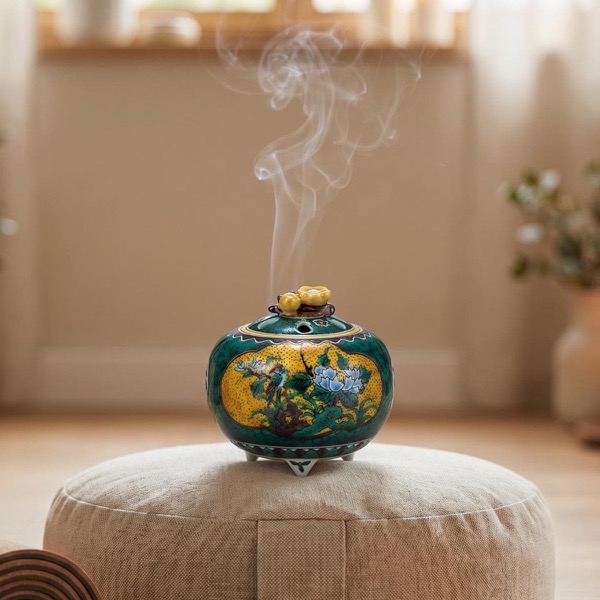
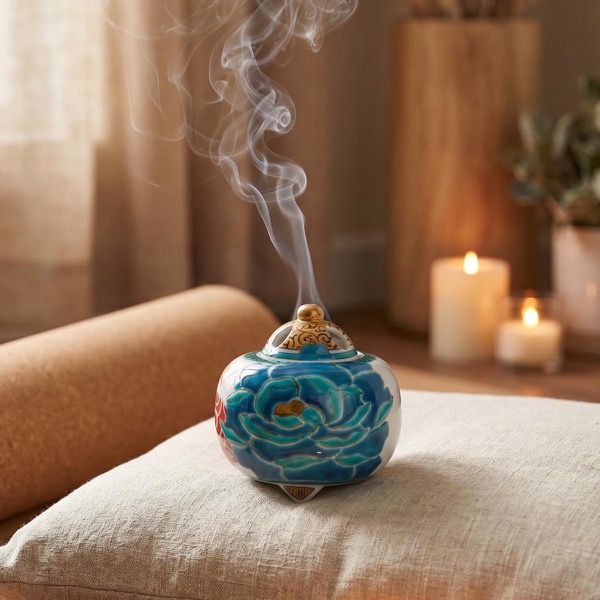
The koro determines how much room you have for ash, the kind of incense it can support, and how easily you can clean it after use. A deeper bowl gives more working space for a tidy ash bed, while a compact piece may be best reserved for a small, simple setup. Choose the burner for the surface where it will live and the format you can use without crowding it. Kutani koro also bring a hand-painted porcelain presence to a shelf or tea corner, so the piece should be as satisfying unlit as it is in use. Browse the Japanese incense collection to compare koro and incense options, then use the Kutani koro selection guide to match scale and use.
How Do You Keep the Ritual Easy to Maintain?
Keep the routine small enough to repeat. Store the incense away from heat and moisture according to its packaging, let the koro cool fully after every burn, and remove any cooled residue before the next session. Clean the exterior gently and do not assume that one care method suits every glaze, lid, or insert. Every NeoiAtelier piece is made in Japan and ships from Osaka, where the collection is selected for useful daily objects as well as display. For the next step, read our Japanese incense burner cleaning guide, then choose one incense and one safe place to enjoy it without rushing the ritual.