Japanese Gifts for Writers: 6 Thoughtful Ideas
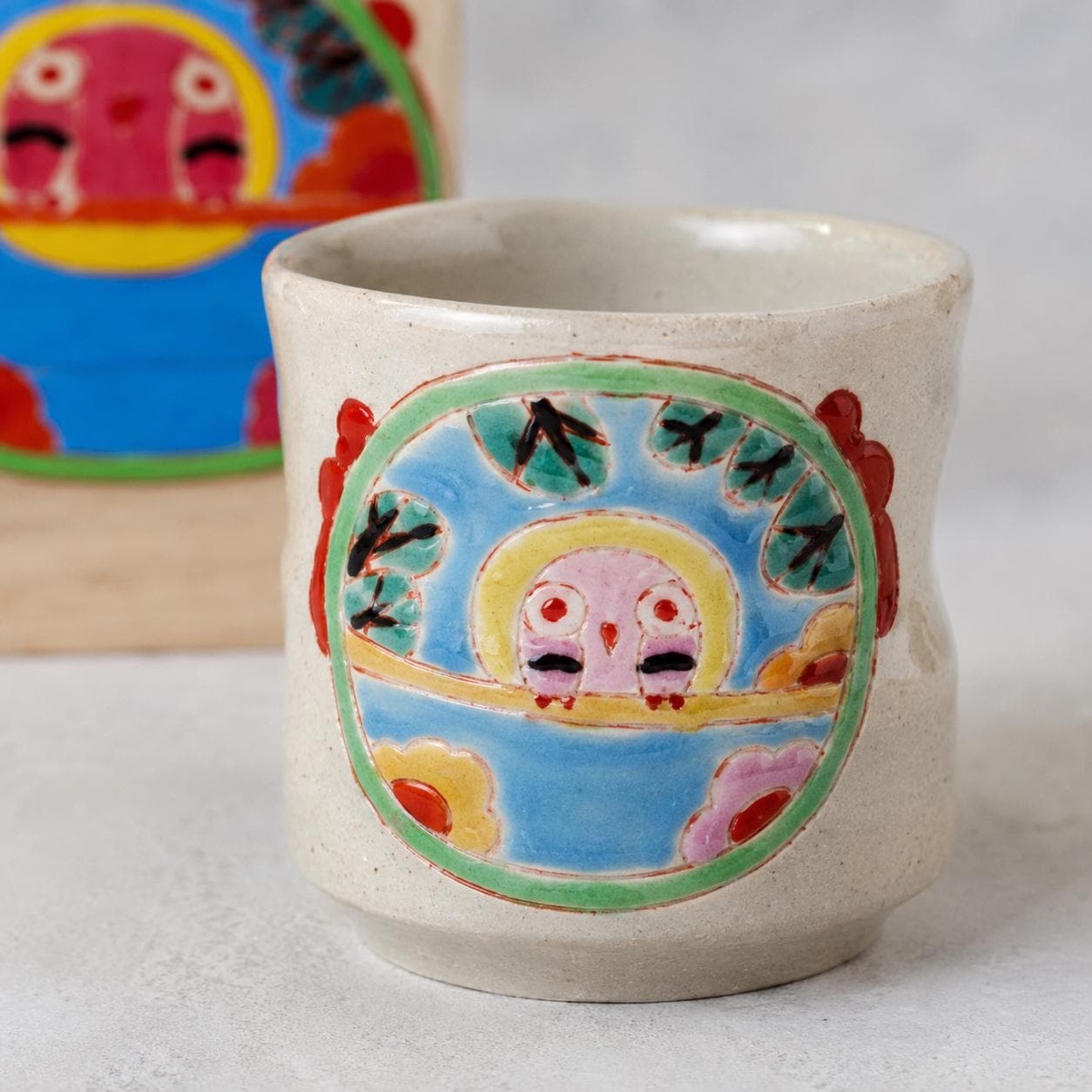
The best Japanese gifts for writers support a real creative routine rather than trying to supply it. Choose one handmade object that makes a tea break, reading pause, or work surface feel more intentional, then match its scale and purpose to the writer's actual habits.
What Makes a Japanese Gift Right for a Writer?
A good gift for a writer does not assume that every writer wants the same tools. Some write at a desk, some in cafes, and some mostly read, edit, or think between other responsibilities. The most useful choice is therefore a modest object with a clear place in the day. A tea cup can mark a pause away from the screen. A fan can add a light, portable accent to a warm workspace. A linen textile can soften a familiar doorway or reading corner when you know the room well. These are not substitutes for time, privacy, or a preferred writing method. They are thoughtful additions to a routine the recipient already enjoys. Choose one object that feels easy to use, place, and appreciate without asking them to reorganise their home.
Why Is a Tea Cup a Practical Gift for a Writer?
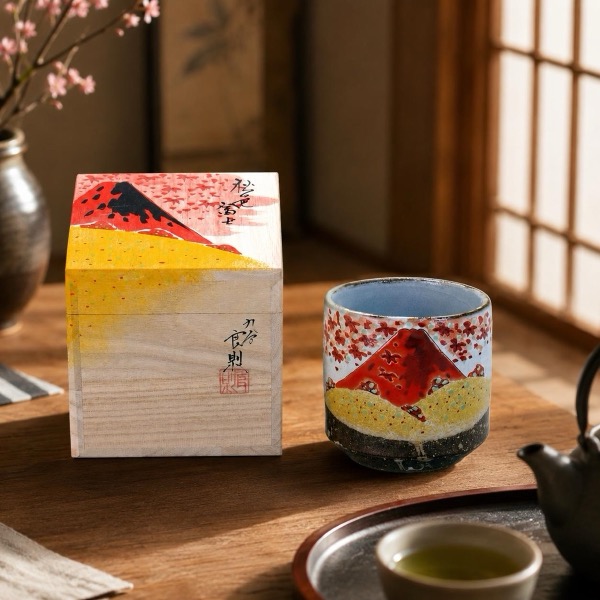
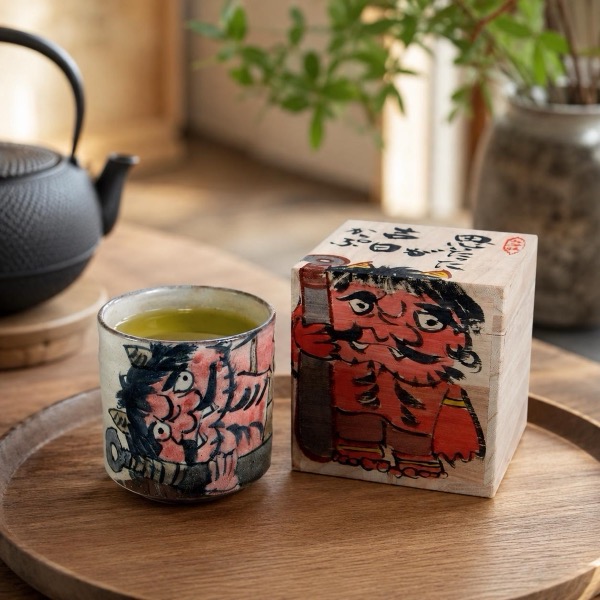
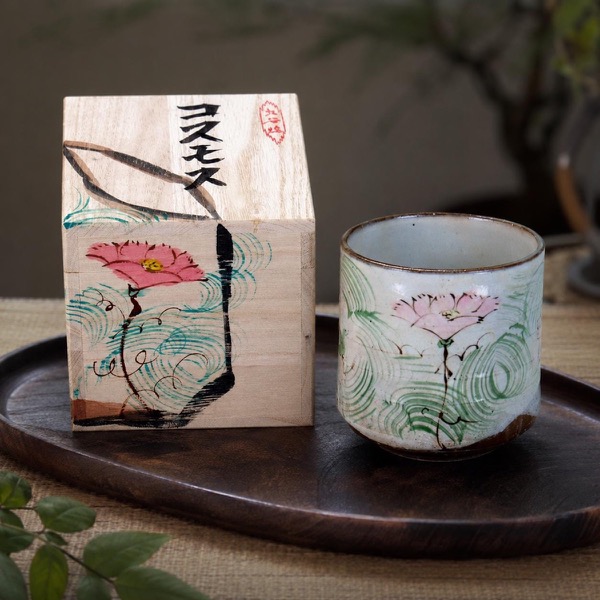
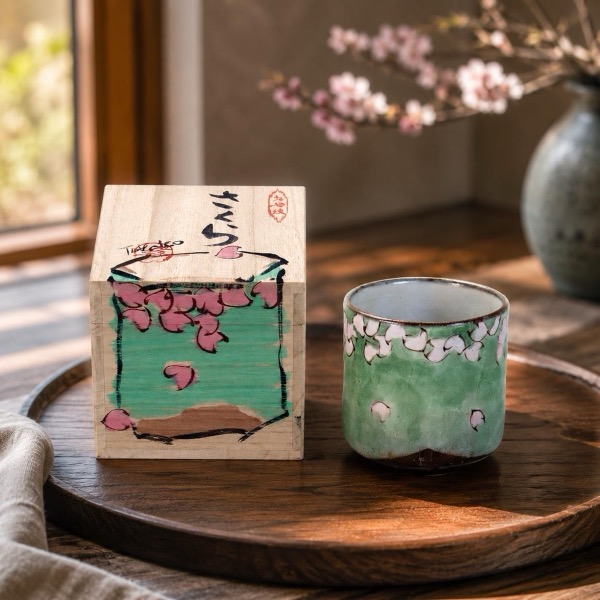
A tea cup is a strong starting point because it is personal without being overly specialised. A yunomi is a handleless Japanese tea cup made for everyday drinking, so it works for a writer who takes green tea, black tea, or another warm drink beside a notebook or laptop. Look for a size and painted detail that suit the recipient instead of treating every cup as a matching set. One cup can become the object they reach for during a morning draft or an afternoon edit. Browse the Japanese tea cups collection to compare current pieces, then read the Kutani yunomi selection guide for a practical way to weigh capacity, hand feel, and decoration.
Could a Japanese Fan Suit a Writing Routine?
A Japanese fan suits a writer who values a small, tactile object rather than another item for a crowded desk. A folding sensu is easy to put away after use, while an uchiwa can bring bamboo and linen texture to a wall, shelf, or reading corner. It is especially fitting for someone who writes near an open window, works through warm weather, or enjoys a quiet visual accent that does not demand permanent installation. Choose one fan rather than a group of competing motifs, and keep it away from drinks, direct heat, and a busy work surface. The Japanese fan wall decor collection offers compact options, while the fan display guide helps with a simple, considered placement.
When Is a Linen Textile the Better Choice?
A linen textile is more personal than a cup or fan because it needs a clear home. Choose a noren or wall hanging only when you know the writer's doorway, reading nook, or preferred colours well enough to make the choice useful. In the right place, a textile can soften the transition into a private working area without adding another object to a desk. It is not a generic solution for every writer, and it should not be chosen just to make the gift package larger. Measure first when possible, consider how the piece will hang, and let the textile be the main visual note in the space. Explore the noren and wall hangings collection, then use the noren size guide before choosing a piece for a specific opening.
Should You Give Decor or a Daily Ritual?
Give a daily ritual when you know the recipient's routine; choose decor when you know their space. A yunomi is best for someone who already enjoys a warm drink and wants a simple pause between sentences. A fan fits a person who appreciates material detail but has little room for large objects. A textile works when you have seen the room and can picture exactly where it belongs. Incense and a koro are more specific choices because they require a stable, heat-safe setting and attentive use, so reserve them for a known incense or porcelain enthusiast. The point is not to build a themed writing room. It is to select one handmade object that feels natural in the writer's existing environment.
How Can You Match the Gift to Their Working Style?
Start with the kind of pause they take. For a writer who steps away from a screen with tea, a cup gives the break a useful shape. For someone who reads proofs in a calm corner, a small fan or a textile may make more sense than a desk accessory. For a person who works in a shared home, avoid anything that requires major installation, strong fragrance, or a permanent change to the room. If their habits are unknown, choose the smallest object with the clearest purpose. That is usually more considerate than a bundle of unrelated items. For ideas that connect a working surface with a genuine daily break, see how to use a yunomi at work and the Japanese reading nook guide.
How Do You Make the Gift Feel Personal?
Make the gift personal by explaining the detail you noticed, not by assigning a meaning the recipient may not share. You might mention a calm colour, a motif that recalls their reading corner, or the simple fact that the cup is intended for an unhurried tea break. A short handwritten note can give one object context without prescribing a new ritual. Keep care guidance brief and practical, particularly for fragile porcelain or textile pieces. If the gift is for a new writer, avoid presenting it as a test of whether they will keep writing; choose something that simply supports rest, attention, or pleasure. This leaves room for the recipient to make the piece part of their own creative life.
Where Should You Begin?
Begin with one ordinary scene: the writer drinking tea after a draft, reading in a favourite chair, or taking a quiet break from a desk. Choose the one object that improves that scene without adding pressure or clutter. Every NeoiAtelier piece is made in Japan and ships from Osaka. Start with the Japanese gift guide, then select a tea cup, fan, or textile that suits the person's real routine rather than an idea of what a writer should own.