Japanese Coffee Table Decor Ideas for a Calm Living Room
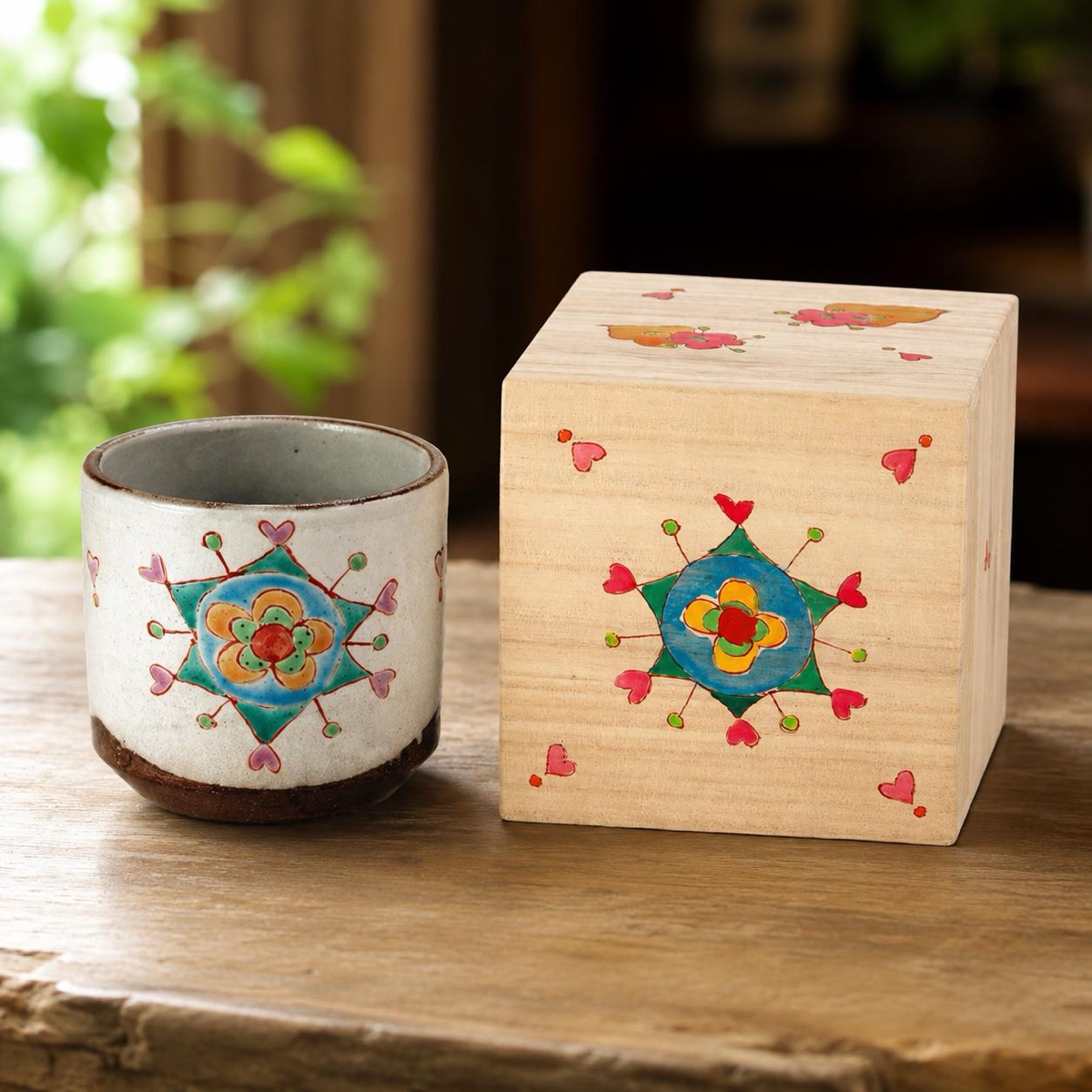
Japanese coffee table decor should leave room for living. Choose one useful anchor, add a lower handmade accent, repeat natural materials, and keep open space for cups, books, and guests. The best arrangement feels calm because it is easy to clear, use, and reset.
What makes a Japanese coffee table feel calm?
A calm Japanese coffee table starts with spacing, not styling. Current interiors coverage in 2026 keeps pointing toward more personal, layered, and tactile rooms, but a coffee table is still a working surface. It holds tea, books, remote controls, flowers, snacks, and conversation. Use Japanese craft to make those daily actions gentler, not to fill every inch with display pieces. A good arrangement usually has one anchor object, one lower companion, and one open zone. The anchor might be a yunomi, a small koro, or a tray. The companion might be a folded textile, a fan, or a book. The open zone is the important part: it lets the living room stay useful.
Which object should anchor the table?
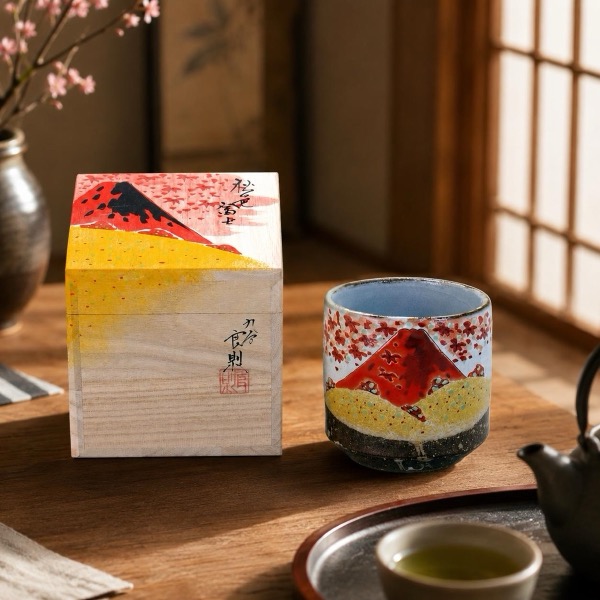
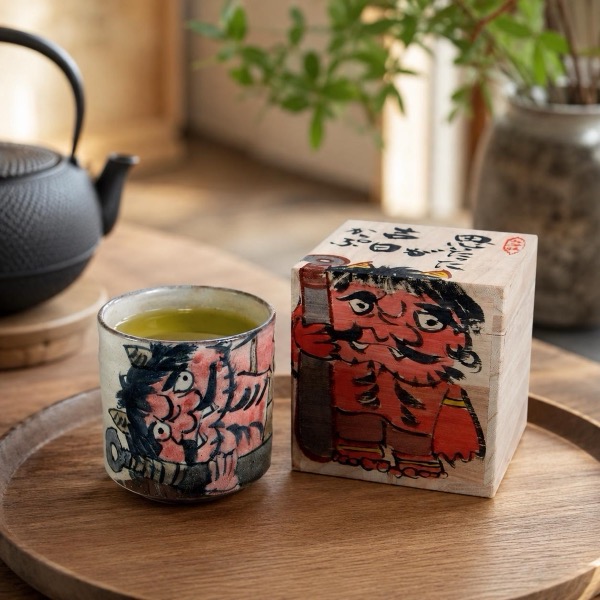
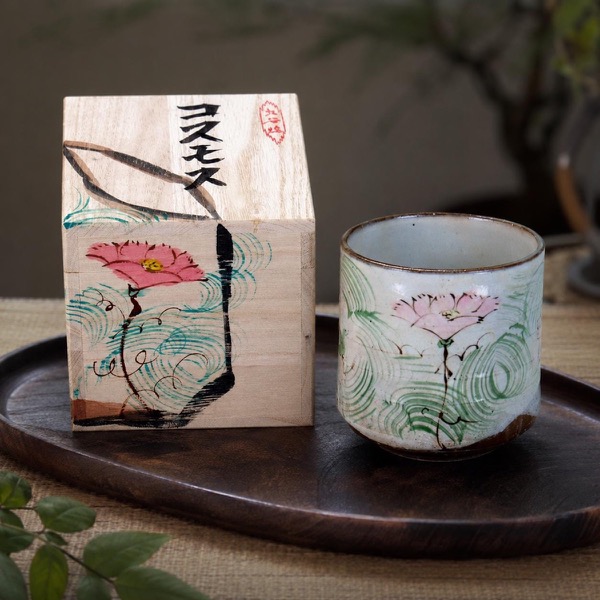
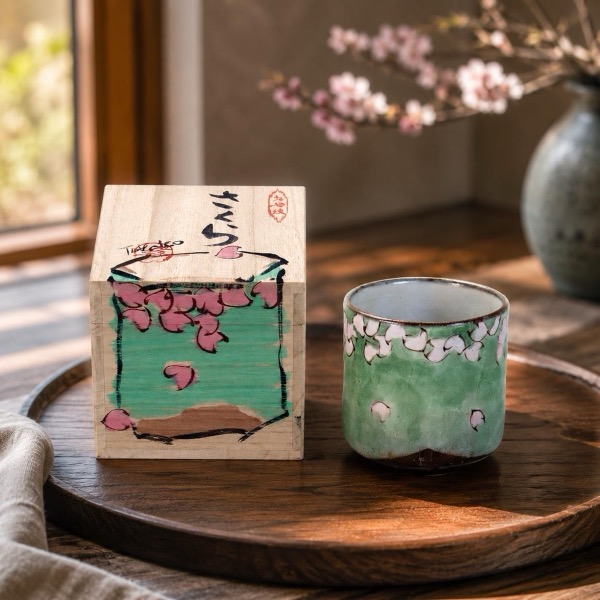
Anchor the table with the object that has a real job. A yunomi works well because it is compact, handle-less, and made to be held in both hands, so it feels natural beside books or a tea tray. NeoiAtelier's current Kutani yunomi listings include 270 ml, 325 ml, and 385 ml capacities, which suits anything from a short tea break to a longer evening pot. Compare shapes in the Japanese tea cups collection and read what a yunomi is before choosing one as the table anchor.
Can an incense burner sit on a coffee table?
An incense burner can sit on a coffee table as porcelain art, but burning incense there needs care. Use a stable, heat-resistant surface, keep it away from books, paper, sleeves, textiles, children, pets, and unattended rooms, and ventilate the living room. Kutani ware is overglaze-painted porcelain from Ishikawa Prefecture, first fired in 1655, so a hand-painted koro can remain a finished object even when no incense is lit. Browse the Japanese incense collection or review where to place an incense burner at home before making scent part of the table.
How many pieces belong on the surface?
Most coffee tables need three visible elements at most. Try a tray, one handmade object, and one soft or flat accent. If the table is small, use only two. If the table is large, create two separate groups instead of one long row. Leave enough open surface for a guest to set down a cup without asking where it should go. Avoid using every Japanese category at once. A koro, yunomi, fan, incense box, noren scrap, coaster set, and flowers can each be beautiful, but together they read as a display shelf. Calm comes from editing. Let one piece carry the craft story, then keep the surrounding objects quiet.
Where do fans and textiles fit?
Fans and textiles fit best around the coffee table, not always on top of it. A linen uchiwa fan can lie flat on a tray for a summer gathering, but it is usually safer on the wall beside the sofa or on a shelf behind the table. A small textile can soften a tray, while a noren can frame the living room entry or hide nearby storage. Keep fabric away from flame, damp cups, ash, and food. For lightweight accents, see the Japanese fan wall decor collection and the noren and textile collection.
What tray or base should you use?
Use a tray or base when the table collects many small things. It turns tea cups, incense, matches, coasters, and a small book into one movable group. Wood, bamboo, plain ceramic, or dark metal usually works better than glossy plastic because the material supports handmade porcelain and linen without competing with it. Keep the tray shallow enough that cups are easy to lift, and leave one side empty for daily objects. If children or pets use the room, avoid tall stacks and place fragile pieces farther from the table edge. The goal is not a perfect photograph. It is a surface that can be cleared in one movement before dinner, guests, or cleaning.
How do you avoid a themed look?
Avoid a themed look by repeating material rather than symbols. Choose porcelain plus wood, linen plus books, or bamboo plus one neutral tray. Do not combine too many obvious motifs in one small area, especially if the living room already has patterned rugs, pillows, or art. Japanese-inspired coffee table decor should feel collected, restrained, and practical. Every NeoiAtelier piece is made in Japan and ships from Osaka, but the table does not need to announce every origin fact at once. Let hand-painted detail, natural texture, and open space do the work. If an object blocks conversation, cleaning, or a cup of tea, move it to a shelf.
What is a simple coffee table gift?
A simple coffee table gift is one useful handmade object plus a clear place to put it. Choose a Kutani yunomi for a tea drinker, a small koro for someone who already uses incense safely, or a linen fan for a summer living room accent. For a first gift, avoid fragile multi-piece sets unless you know the recipient has display space. Start with the Japanese gifts collection or the Japanese gifts under $150, then choose by table size, household routine, and how much maintenance the recipient actually enjoys.