Wabi-Sabi Decor Ideas for a Calm, Considered Home
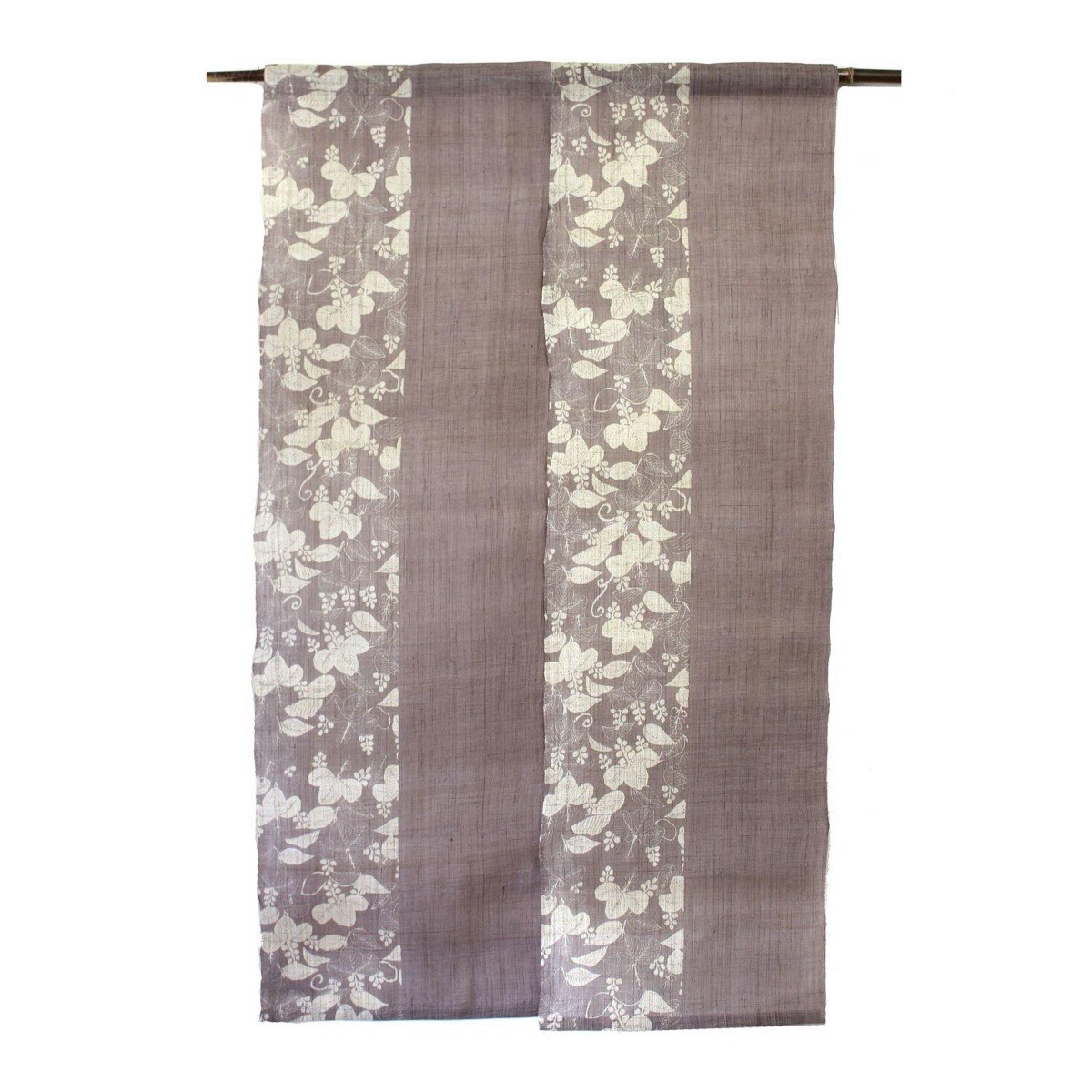
Wabi-sabi decor begins with a room that is useful, calm, and allowed to feel lived in. Rather than buying a matching set, keep the surfaces clear, choose natural texture where it helps, and add one handmade object with a real role. The result should feel personal, not staged.
What Does Wabi-Sabi Mean in Home Decor?
In Japanese art history, wabi and sabi are associated with an aesthetic of simplicity, natural materials, and the passage of time. At home, that is best treated as a way of noticing rather than a formula for copying a particular room. It does not mean that every object must be old, rough, brown, or deliberately imperfect. It means giving useful things enough space to be seen, appreciating material character, and avoiding decoration that competes for attention. A porcelain cup with a painted surface, a linen panel with a visible weave, or a bamboo fan can all contribute more when they are selected for their own qualities rather than assembled as a themed collection. Start with what the room already needs, then make one quiet choice at a time.
How Do You Begin Without Redecorating the Whole Room?
Begin by removing, not adding. Clear one table, shelf, or entry surface until it can support its daily job without becoming a storage zone. Then look at the room from the doorway. Notice which material is already doing the most work: wood, a woven rug, painted ceramic, a plain wall, or a window with changing light. Add only what helps that existing element read more clearly. A room does not need a renovation to feel more considered. It may only need one useful cup left in reach, one textile that softens a hard threshold, or one wall object given a little breathing room. If a new item needs three more accessories to make sense, it is probably not the right first choice.
Which Materials Bring Texture Without Visual Noise?
Texture works best when it arrives through a small number of materials with different jobs. Linen can soften a doorway or wall. Porcelain can make a tea pause or shelf feel more deliberate. Bamboo can add a light, linear shape without adding furniture. Wood, paper, and plain ceramics can provide a quiet backdrop when they are already part of the room. The important point is contrast without crowding: a woven surface beside a smooth cup, or a simple fan against a plain wall, is often enough. Avoid forcing every material into the same small area. A crowded shelf can make beautiful workmanship harder to notice. Let one texture lead and keep the surrounding colors and shapes simple enough for the room to remain useful.
How Can One Crafted Object Set the Tone?
One crafted object can set the tone when it has a clear place and a purpose beyond filling a gap. A Japanese tea cup may belong beside the kettle or on a tray used every morning; a hand fan may suit a bare wall or a shallow shelf; a small textile may soften the view at an opening. Choose the scale before the motif, especially in a compact home. A small object should not have to compete with a crowded display, and a larger textile should not interrupt a route through the room. Browse the Japanese handcrafts collection for compact accents, or begin with the Japanese tea cups collection when an everyday tea routine is the natural starting point.
Can a Noren Soften a Threshold?
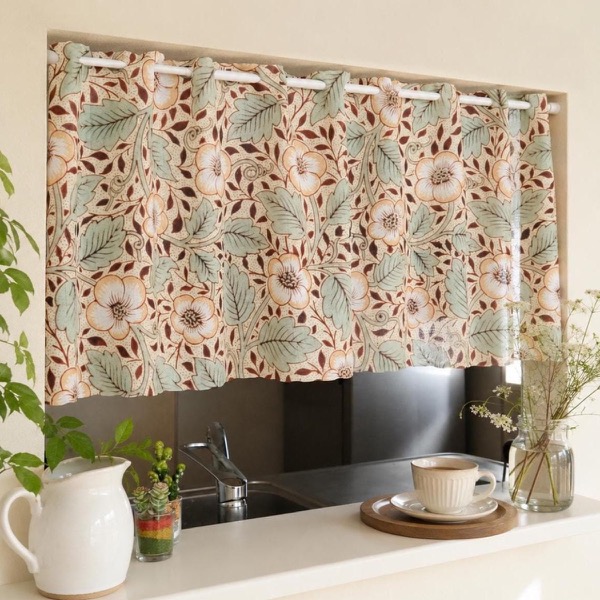
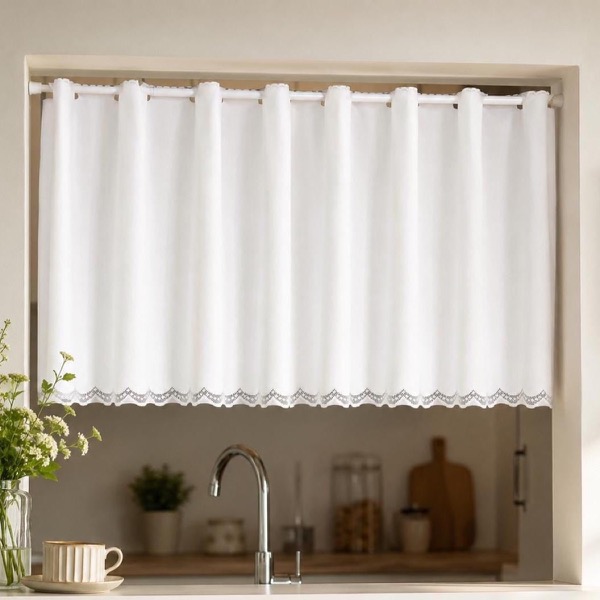
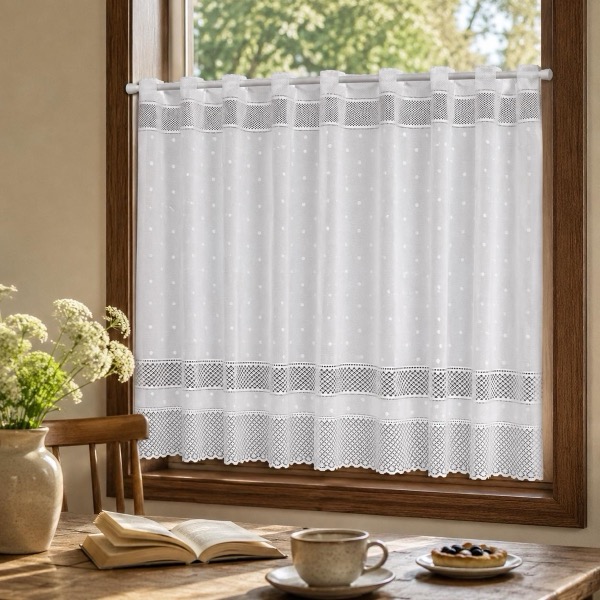
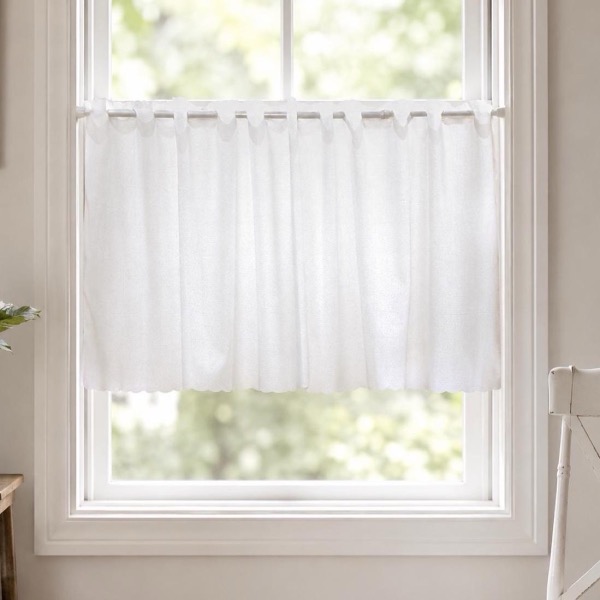
A noren can soften a threshold without turning it into a closed door. Use it where a room benefits from a little visual separation, filtered light, or textile texture, while keeping the route through the opening practical. Before choosing one, measure the opening, consider the hanging method, and notice where the fabric will move or catch light. A single panel can do more than several small decorations because it changes the room's outline as well as its color and texture. Keep nearby walls and shelves relatively clear so the weave and motif have room to register. The noren and wall hangings collection offers textile-led options, and our no-drill noren hanging guide can help renters assess a reversible setup.
How Should You Combine Porcelain, Incense, and Fans?
Combine different crafts by giving each one a separate role. A yunomi can support a daily tea routine; an uchiwa or sensu can bring a small graphic line to a hook or shelf; a Kutani koro may suit a stable display surface or an incense routine that can be used with full attention. They do not all need to sit together. If you use incense, keep a burner on a stable, heat-resistant surface, away from textiles and other combustible items, and never leave it unattended. For a scent-free home, the porcelain can still be appreciated as craft rather than used as a burner. Compare the Kutani incense collection with the Japanese handcrafts collection, then choose the one piece that fits your actual routine.
What Should You Leave Out of a Wabi-Sabi Room?
Leave out anything that makes the room less easy to use: duplicate ornaments, fragile objects on busy routes, textiles in damp or greasy areas, and decor that hides the surface you need for work, meals, or rest. Wabi-sabi is not a reason to turn ordinary wear into a performance or to buy objects that imitate age. It is more useful as a reminder that a home can change slowly. A cup can become familiar through use. Linen can become part of a daily view. A fan can return with a season. When an object is cared for and has a defined place, the room can feel settled without becoming frozen. Choose pieces you will notice over time, not items that need constant rearranging to make an impression.
Where Should You Start?
Start with one surface or threshold and one material you genuinely enjoy using. If daily tea is already part of the home, choose a cup before adding more decor. If the room needs a softer boundary, consider a linen textile. If one wall needs a small seasonal accent, a fan may be enough. Every NeoiAtelier piece is made in Japan and ships from Osaka. Explore the noren and wall hangings collection, the Japanese tea cups collection, and our Japanese decor for small apartments guide, then select one piece that makes your real room easier to live with.