Japanese Decor for Small Apartments: 6 Practical Ideas
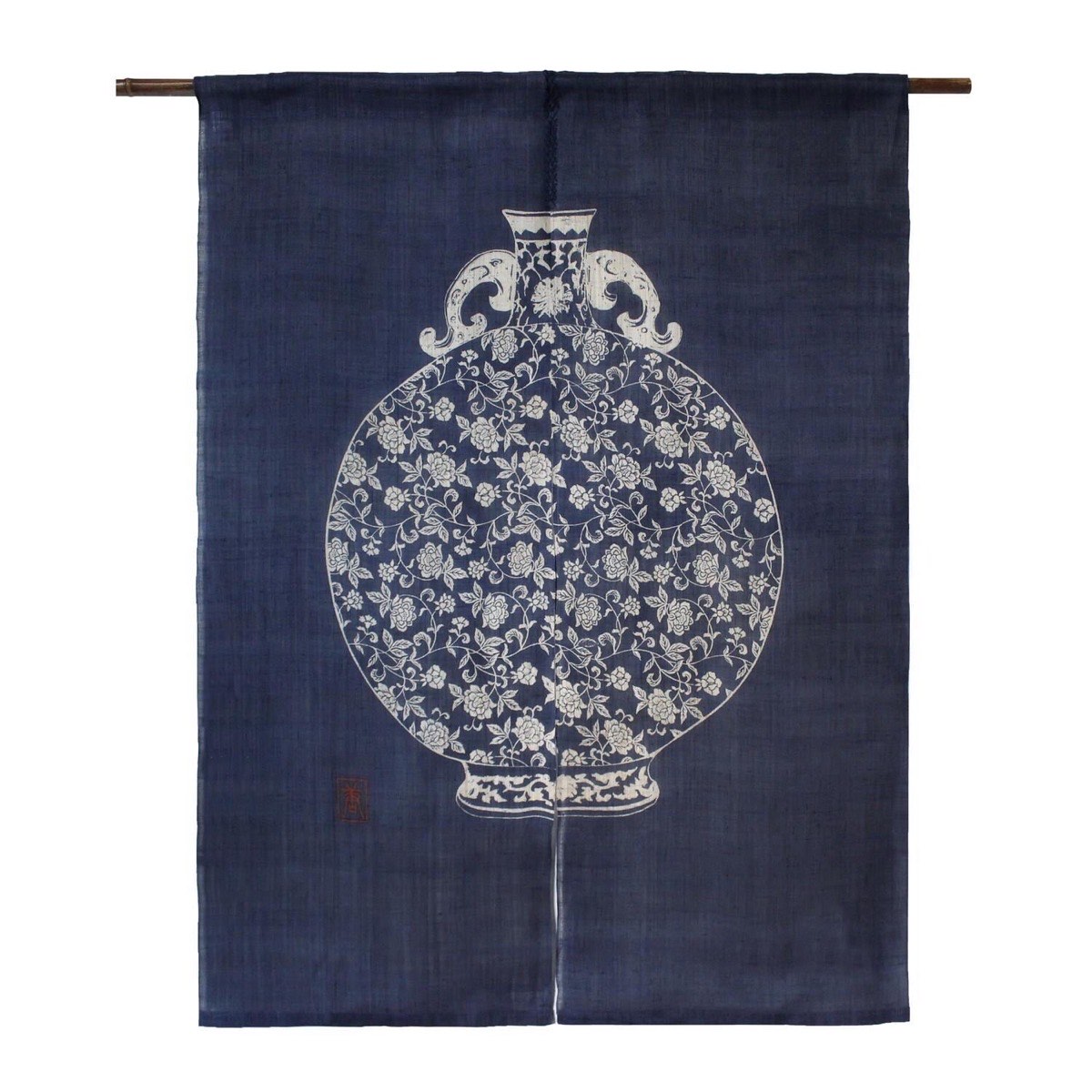
Japanese decor for small apartments works best when each piece has a job as well as a presence. Use a linen noren to soften an opening, choose one useful porcelain object for a shelf or tray, and keep clear space around both. The result feels considered without making a compact room feel crowded.
What Makes Japanese Decor Work in a Small Apartment?
Japanese decor works in a small apartment when it gives the eye a resting place instead of filling every surface. Start with one area that already needs attention: an open closet, a narrow entry, the end of a kitchen counter, or a blank wall above a low cabinet. Choose one material-led piece, then repeat one color or texture once rather than adding a collection all at once. This is a practical way to make a room feel joined up while keeping daily storage and circulation easy. A clear path through the room matters more than a perfectly themed corner.
How Can a Noren Divide a Small Room?
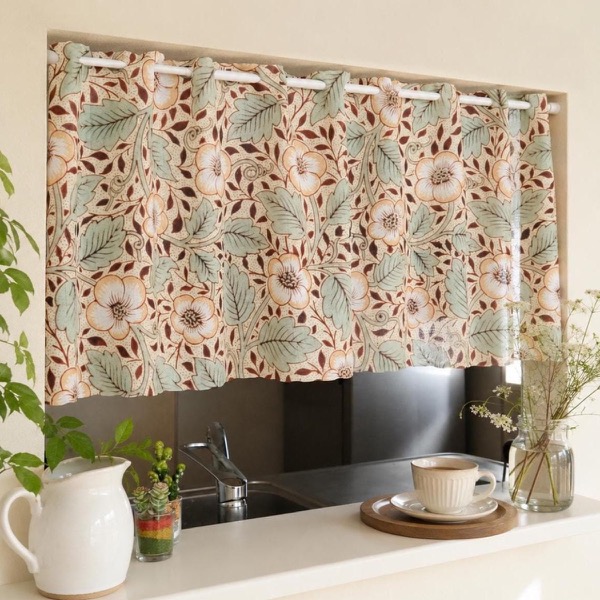
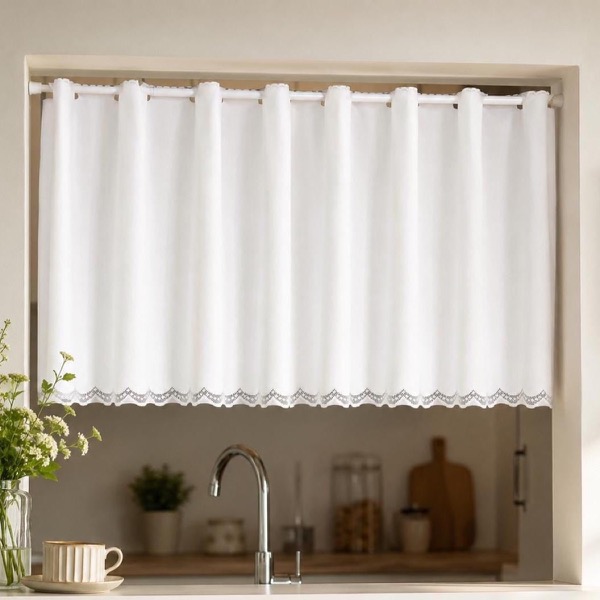
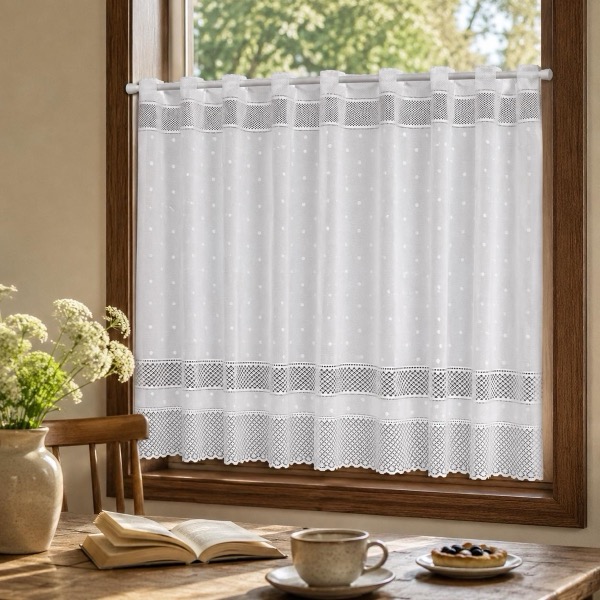
A noren can make an open doorway, storage recess, or sleeping corner feel distinct while remaining easy to pass through. It is especially useful where a hinged door would need swing space or where a solid divider would block the sightline. Match the panel to the width and height of the opening, then let the surrounding wall stay simple so the textile can do the visual work. For a starting point, browse the linen noren and wall hangings collection. A single textile divider is often enough to create a calmer boundary in a compact plan.
Where Should You Put a Decorative Textile?
Put a decorative textile where it can solve a small visual problem: over open storage, at a pass-through, or on a wall that otherwise has no focal point. Avoid placing it behind a door, beside a busy rack of clothes, or where it will constantly brush against a work chair. An indigo panel can give a neutral rental a defined point of color without asking you to repaint or install permanent fixtures. The indigo jar-motif linen noren is one example of a full-height textile intended to work as a divider as well as a decorative surface.
How Many Decorative Objects Does a Small Shelf Need?
A small shelf usually needs fewer objects than expected. Begin with one functional piece, such as a tea cup you will actually reach for, and leave surrounding space visible. One compact bowl or lidded object can follow, but stop before the surface becomes a display of unrelated souvenirs. Vary height gently rather than stacking many items, and keep the most delicate pieces away from the edge. A hand-painted yunomi brings color and use to a shelf without demanding a large footprint; see the Japanese tea cups collection for pieces designed for everyday tea.
How Do You Add Warmth Without Adding Clutter?
Warmth comes from materials and repetition, not from filling every empty space. Linen brings a matte texture, bamboo adds a light linear detail, and porcelain introduces a smooth surface that catches changing daylight. Choose two of those materials and repeat them sparingly across the room: for example, a linen noren near a tea cup, or a bamboo fan above a small console. Keep cords, packaging, and spare storage out of that composition. The contrast between an edited group of objects and an uncluttered background lets each crafted piece read clearly.
Can You Mix Japanese Craft with Existing Furniture?
Yes. Japanese craft does not require replacing the furniture you already own. A linen panel can work with a simple painted bookcase, and a porcelain cup can sit beside contemporary tableware without turning the room into a set. Look for a quiet connection instead of a strict theme: a warm wood tone, an indigo accent, or a repeat of natural fiber. This approach also makes later moves easier, because each object can shift to another room and still make sense. Let useful pieces lead the arrangement, then add one decorative note at a time.
What Should You Leave Empty?
Leave the floor beside a doorway, the center of a dining table, and at least part of each shelf empty. Empty space is not unfinished space; it gives a small room a practical buffer for bags, cleaning, guests, and everyday movement. It also helps a chosen textile or cup feel intentional rather than lost in visual noise. Before adding another object, remove one item that has no job or no strong visual role. A compact home benefits from decisions that make cleaning and rearranging easy, not from a permanent display on every available surface.
What Is the Easiest Way to Start?
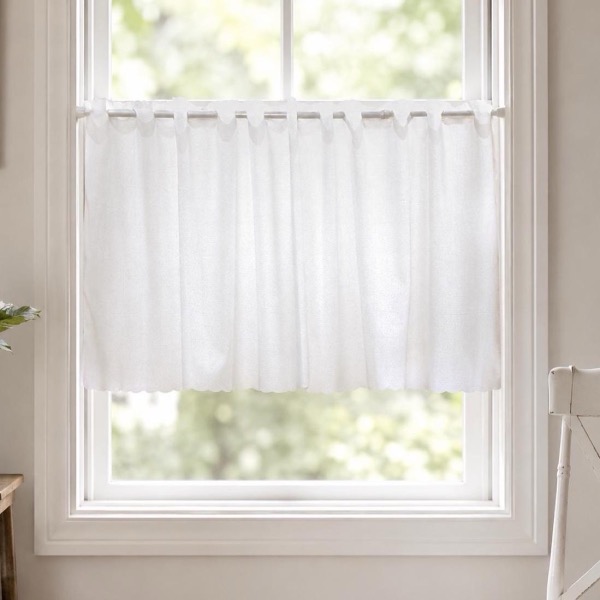
The easiest approach is to make one useful upgrade before buying several decorative objects. Cover an open storage area, replace a generic doorway curtain, or set up one tea tray that can be put away after use. Then live with that change for a week and notice what the room still needs. This keeps a small apartment flexible and reduces decorative impulse buying. If you are choosing a housewarming present rather than furnishing your own space, the Japanese gifts under $150 guide offers compact options. Every NeoiAtelier piece is made in Japan and ships from Osaka.