Japanese Gifts for Coworkers: 6 Thoughtful Ideas
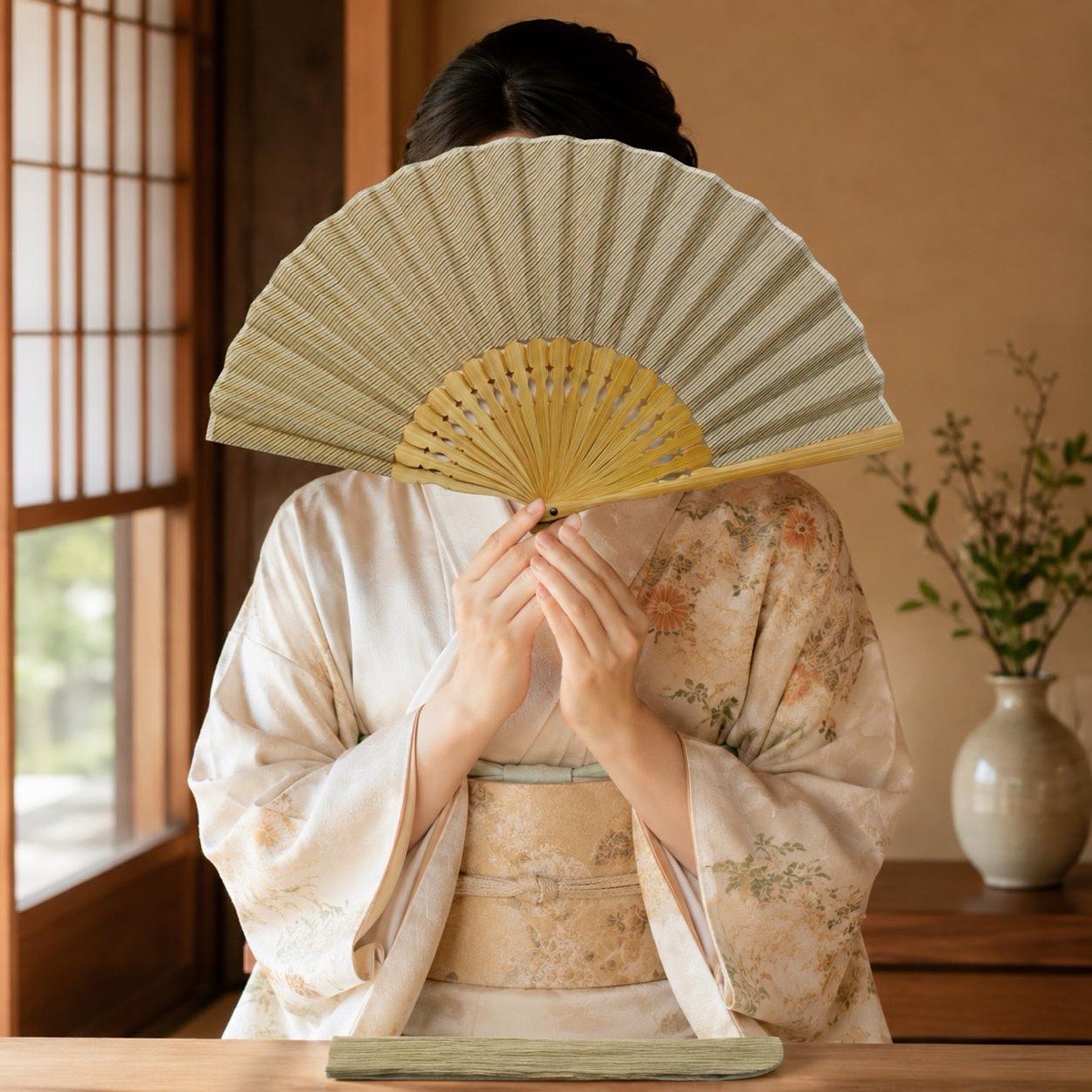
Japanese gifts for coworkers work best when they are useful, easy to carry, and modest enough for an office or home workspace. A made-in-Japan tea cup, hand fan, incense set, or small textile can mark a thank-you, new role, or shared milestone without asking the recipient to redesign their routine.
What Makes a Coworker Gift a Good Fit?
A good coworker gift is clear in purpose and easy for the recipient to make their own. Start with the kind of moment you are marking: a colleague who has helped on a project, someone beginning a new role, or a teammate you know through a shared daily routine. The safest choice is usually one object rather than a set of unrelated things. It should fit on a desk, a kitchen shelf, or a small corner at home without creating a storage problem. Avoid assuming a person wants a major decorative statement, a strong fragrance, or a piece that needs installation. A small craft object can still feel considered when its material, function, and scale suit the way someone already works or relaxes.
Is a Japanese Tea Cup a Useful Workday Gift?
A Japanese tea cup is useful when the recipient regularly takes tea, coffee, or another warm drink during the day. A yunomi is a handle-free cup made for everyday tea, so it has a compact profile on a desk, shelf, or shared kitchen tray. Choose one cup as a personal object rather than trying to predict a whole table setting. This makes it especially practical for a colleague whose home you have not seen. Look for a motif or color that has one clear character and can live comfortably beside the cups they already use. Browse the Japanese tea cups collection and read the yunomi guide to compare the form before selecting one.
When Does a Japanese Fan Make Sense?
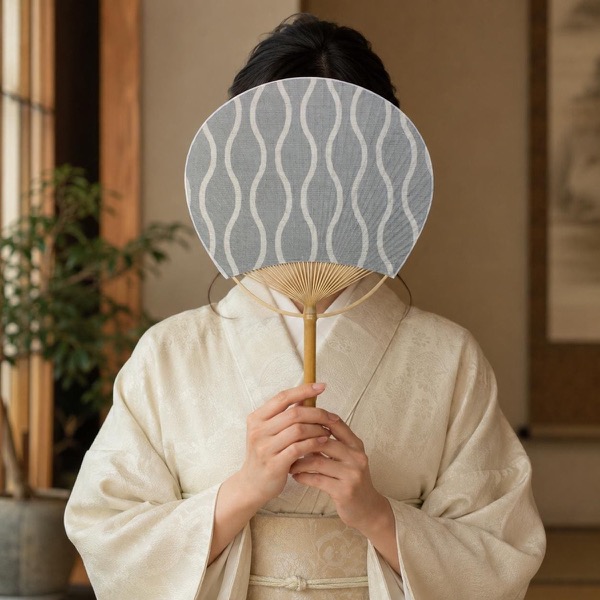
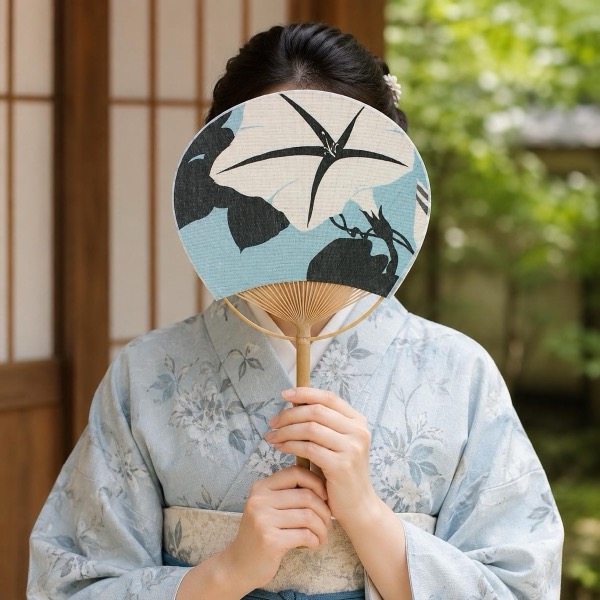
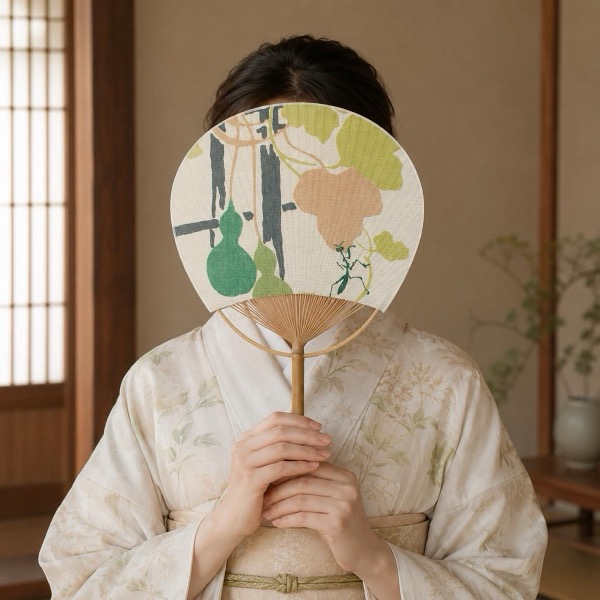
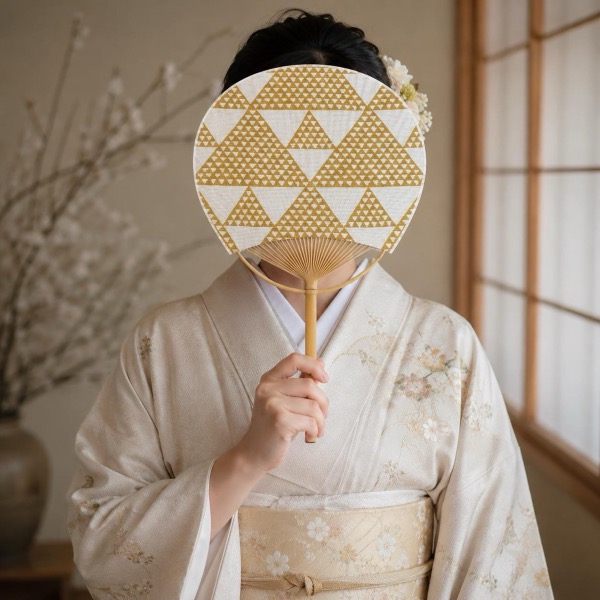
A Japanese fan makes sense for a coworker who appreciates a light, useful object with very little footprint. An uchiwa is a rigid fan with a bamboo frame, while a sensu folds, so a folding fan is especially simple to keep in a bag, drawer, or small home office. It can be used in warm weather or placed on a stand when not in use. A fan is a better choice than a larger wall piece when you do not know the recipient's space well. Keep the gesture simple: one fan gives the person room to decide whether it belongs in a travel bag, on a desk, or in a quiet corner at home. Explore the Japanese handcrafts collection and the hand fan guide for the difference between the two forms.
Could Incense Be a Thoughtful Thank-You?
Incense can be a thoughtful thank-you when you already know the coworker enjoys scent or a small evening ritual. It is best treated as an optional, at-home gift rather than something to use in a shared office. Low-smoke incense can be easier to introduce in a compact home, but any incense still needs a stable, heat-safe surface, ventilation, and attention while it burns. It should be kept away from paper, fabric, children, pets, and unattended rooms. For someone who already enjoys porcelain as well as fragrance, a Kutani koro can be appreciated as a decorative object between uses. Start with the Japanese incense collection and the koro use guide, then choose only if the recipient's habits make it a natural fit.
Can a Small Textile Be Easy to Give?
A small textile can be easy to give when it adds texture without requiring the recipient to change a room. A narrow wall hanging, cafe curtain, or light linen accent may suit someone who enjoys natural materials, but it is more personal than a cup or fan because it needs a suitable place. This makes a textile a good choice when you have seen the person's workspace or know they enjoy arranging their home. Avoid treating it as a generic office decoration; let the recipient decide whether it belongs near a window, on a wall, or at a threshold. The noren and wall hangings collection shows the available textile forms, while the small-space wall art guide offers practical placement ideas.
How Do You Choose for a Colleague You Do Not Know Well?
Choose by everyday use and scale, not by a broad idea of Japanese style. A tea cup can suit a regular warm-drink break. A folding fan can suit someone who values a compact handmade object. Incense should be reserved for a known scent or porcelain enthusiast, and a textile is best when you know something about the person's home. If you are uncertain, avoid highly personal motifs, large decor, and objects that need a specific care routine. One useful piece is more welcoming than a collection that asks the recipient to find several places for it. This approach also keeps the gift appropriate when the work relationship is friendly but not especially close: it is a genuine gesture, not an attempt to define someone's taste for them.
Should You Give One Piece or a Small Pair?
Start with one piece, then add a companion only when both objects support the same ordinary moment. A yunomi can stand alone. A fan needs no extra item. Incense can pair naturally with an existing at-home routine, but it should not be added simply to make the gift seem larger. A small pair can work when you know the person well: a tea cup and a folded fan, for example, are both compact and easy to keep. Do not combine a large textile with several smaller accents unless you know the recipient has a clear place for them. The aim is to make the gift easy to enjoy during the first week, rather than to create a themed collection all at once.
Where Should You Start When Buying?
Start with the habit you know best. Choose a tea cup for a coworker who makes a daily warm drink, a folding fan for someone who values light practical craft, or incense for a known at-home ritual. Every NeoiAtelier piece is made in Japan and ships from Osaka. For a focused comparison, browse the Japanese gifts under $150, the Japanese tea cups collection, or the Japanese handcrafts collection, then choose the single piece that feels useful for the person and the occasion.