Japanese Dining Room Decor Ideas for a Calm Table
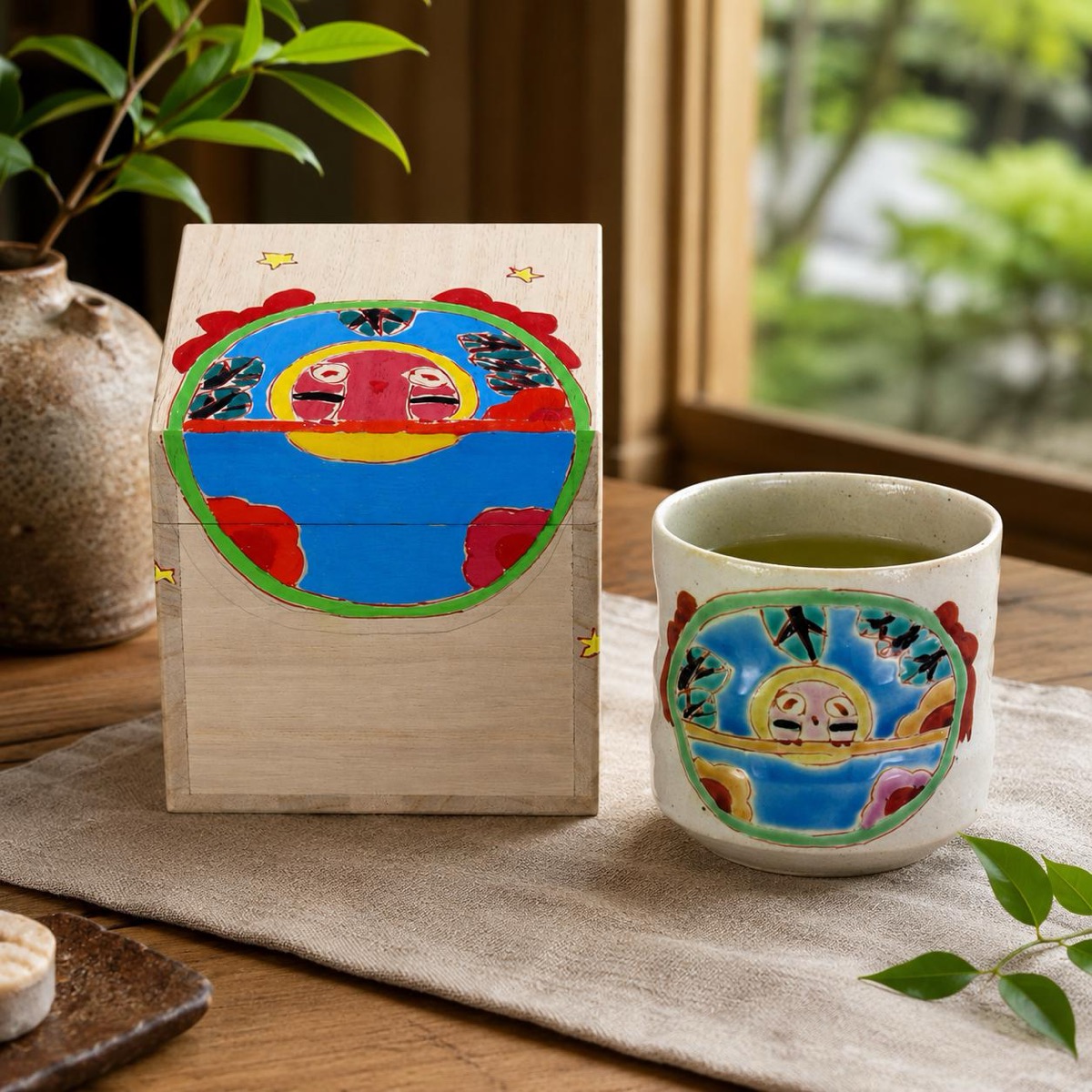
Japanese dining room decor works best when the table stays useful. Start with one handmade object you will actually reach for, add one textile or wall accent, and leave generous clear space for meals and guests. The result feels calm because every piece has a job, not just a look.
What makes a Japanese dining room feel calm?
A calm Japanese dining room starts with the table's everyday purpose: eating, talking, serving tea, and clearing away afterwards. Rather than trying to recreate a restaurant or a tea room, choose a small number of materials that make those routines feel more considered. Wood, linen, bamboo, and painted porcelain can sit comfortably together because each has a visible texture. Begin with the largest surface, then remove anything that does not help the meal or the room's rhythm. A useful setup might be a clear table, a nearby shelf for cups, a textile at the doorway, and one small wall accent. This approach also suits compact homes, where a dining table often becomes a desk, serving station, or place for guests to gather.
Which object should lead the table setting?
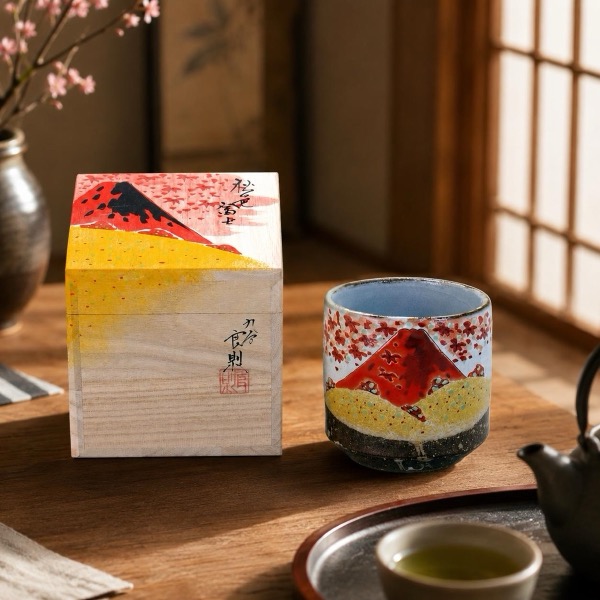
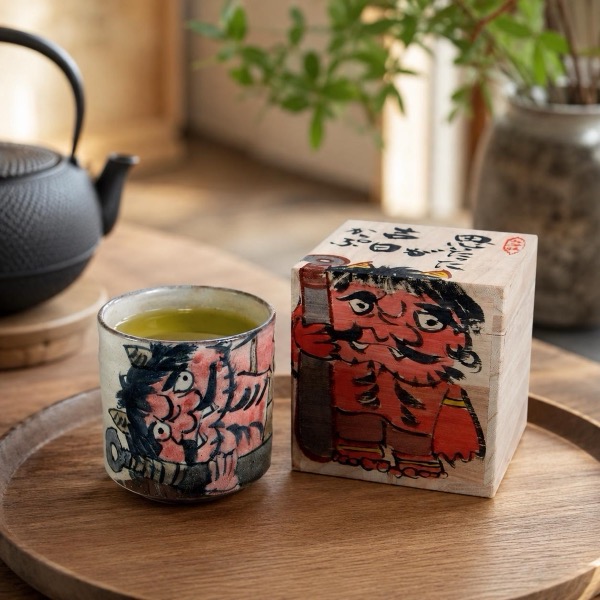
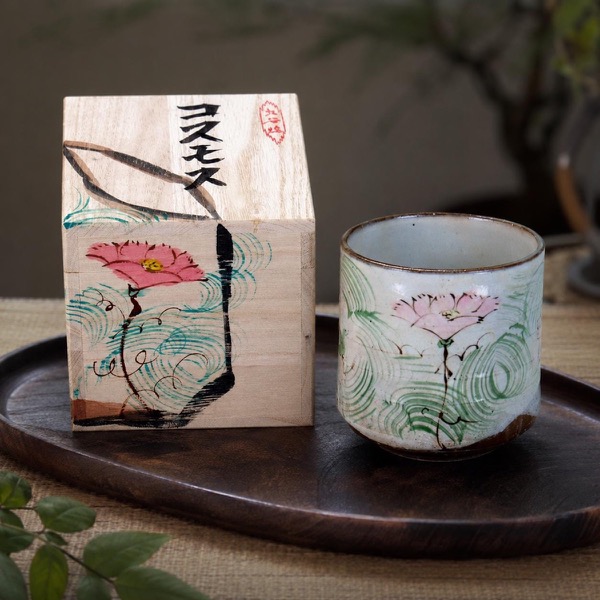
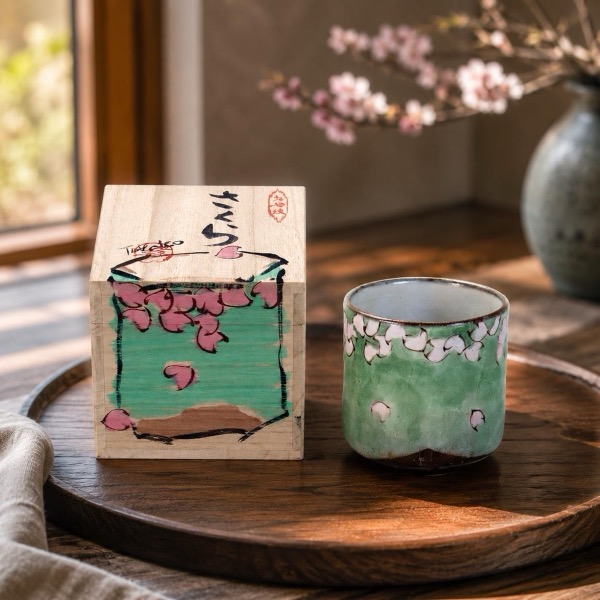
The lead object should be the one you will use most often. For a tea drinker, a yunomi gives the table a handmade focal point without needing a separate display shelf. Its handle-free form is easy to place beside a teapot, a small plate, or a simple tray. Choose one cup or a small matching group, then let the remaining place settings stay quiet. A table becomes more welcoming when the crafted item is ready to be held, not protected as a permanent centerpiece. Avoid filling cups with flowers, utensils, or unrelated decorative items if you want them to remain part of the daily routine. The simplest question is also the best one: would you use this object at the next meal? If the answer is yes, it belongs close to the table.
How can tea cups add character without clutter?
Tea cups add character when they are treated as tableware first. Place a yunomi on a tray for tea after dinner, set two cups on an open shelf, or bring them out only when the drink makes sense. The surrounding items can be plain: a wooden tray, neutral napkins, or a small dish. That restraint gives hand-painted porcelain room to be noticed. Compare shapes and painted styles in the Japanese tea cups collection, then use the yunomi guide to decide whether an everyday tea cup suits your routine. There is no need to match every plate or add more motifs. One useful ceramic piece can create a more personal table than a complete themed set.
Where should a noren or textile go?
A noren or textile works best at the edge of the dining area, where it creates a gentle transition without taking space from the meal. It can frame a doorway, soften the view toward a kitchen or hall, or add a vertical layer to an otherwise plain wall. Keep the textile away from open flames, splashes, and a chair path so it remains easy to live with. A pattern can be the room's strongest visual note, so repeat one of its quieter colors in a runner, napkin, or small piece of art rather than introducing several more patterns. Explore the noren and textile collection for doorway-scale options, or read the practical noren hanging guide before choosing a place.
Can Japanese fans work as dining room wall decor?
Japanese fans work well as wall decor when they give the room one clear point of interest. Choose a single fan above a sideboard, a small pair on a broad wall, or one fan beside a dining nook where it can be seen without crowding the table. Keep the artwork high enough that chairs and shoulders will not brush it, and give patterned fans a simpler background. The fan's bamboo frame and textile face can echo a wood table or linen napkins without needing a literal color match. Browse the Japanese fan wall decor collection and see how to display Japanese fans as wall art for placement ideas. A fan is most effective when it is the only strong graphic shape in its zone.
How much should stay on the dining table?
Keep the everyday table mostly clear. A low tray, a small vase, or one bowl is enough when the table is not in use; remove even that if it interferes with meals, homework, or work. For a dinner with guests, set only what the meal needs first, then add a quiet accent after plates and serving dishes have a place. This is an easy way to avoid turning a useful room into a display. A crowded surface also makes handmade items easier to knock over and harder to appreciate. If you want a more layered look, move the second and third objects to a sideboard or shelf rather than extending one long arrangement down the center. Clear space is not unfinished decor. It is part of the composition.
How do you make the room feel collected, not themed?
Make the room feel collected by repeating materials instead of symbols. Pair a porcelain tea cup with a wood table, a linen noren with a neutral runner, or a bamboo fan with a simple framed print. Limit the number of strong colors and allow plain surfaces to remain plain. This leaves room for the detail in a painted cup, dyed textile, or fan motif to register naturally. Japanese-inspired dining room decor does not need a matching set of furniture, wall art, and tableware. It only needs a few objects that support how you host and eat. Every NeoiAtelier piece is made in Japan and ships from Osaka, so the curation can begin with a real crafted object rather than a generic decorative theme.
What is a practical Japanese dining room gift?
A practical Japanese dining room gift is one piece that can be used at the next meal. A Kutani tea cup suits someone who enjoys tea, a linen noren suits someone with a doorway or open-plan transition to soften, and a fan can give a small dining nook a light wall accent. Choose by the recipient's routine and available space, not by trying to build the entire room for them. Start with the Japanese gifts collection or browse Japanese gifts under $150 for a more focused selection. The best gift leaves the table more useful and more personal at the same time.