Japanese Bedroom Decor Ideas for a Calm, Considered Space
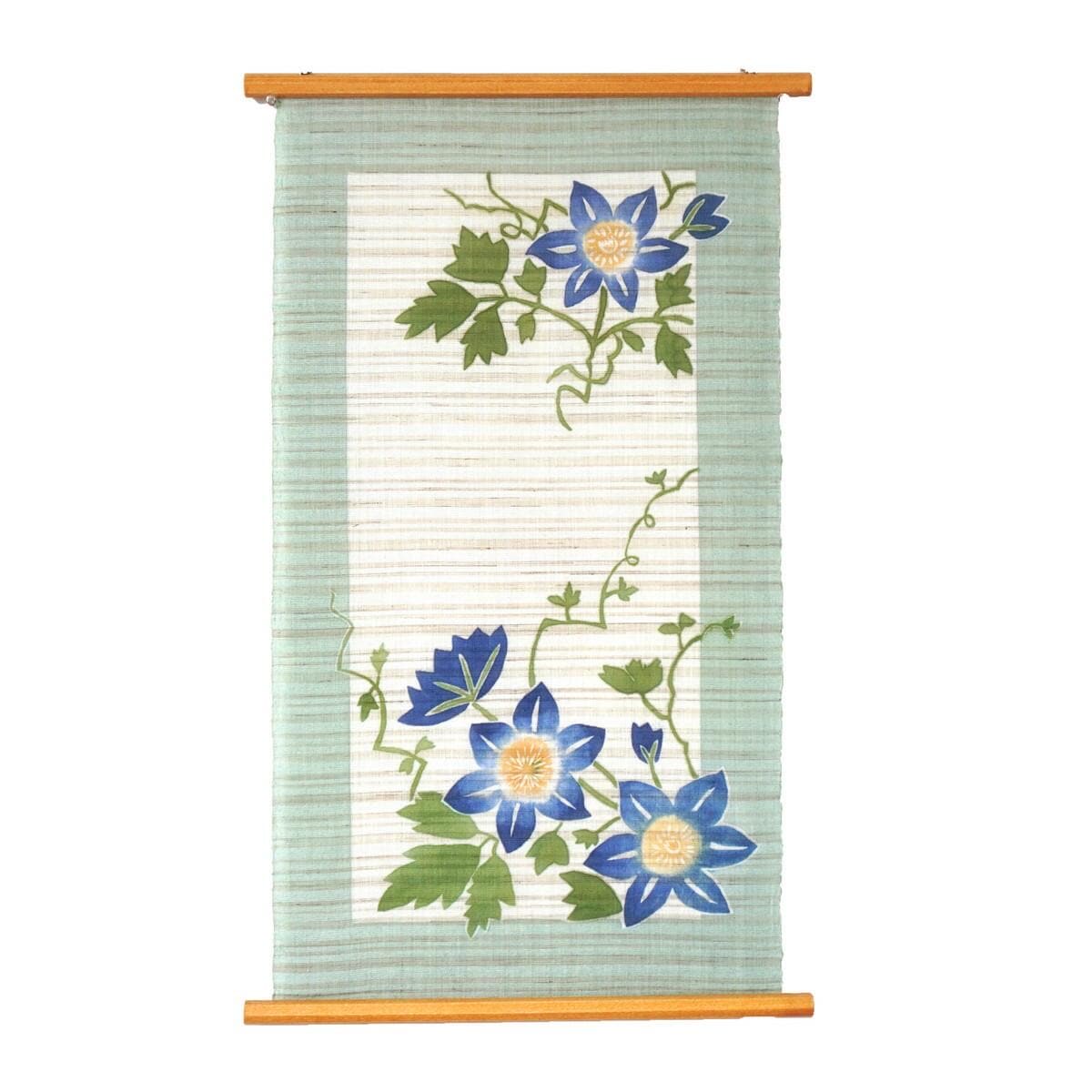
Japanese bedroom decor works when it makes the room easier to rest in and easier to keep. Begin with one natural textile, one meaningful wall accent, and clear space around the bed. A considered arrangement feels calm because each object has a place, a purpose, and room to be noticed.
What makes Japanese bedroom decor feel calm?
Japanese bedroom decor feels calm when the room is planned around daily use rather than a themed look. Start with the bed, the route to the door, and the surfaces you actually need at night. Then choose a small number of materials that work together: wood, linen, bamboo, and painted porcelain all bring visible texture without requiring a busy palette. Leave a pause between the bed, wall art, and storage instead of filling every blank area. This is especially useful in a compact bedroom, where a chair may hold clothes, a bedside table may hold a book and water, and a wall may need to carry both light and character. The goal is a room that feels settled when it is lived in, not just when it is photographed.
Which material should lead the room?
Choose one material to lead, then let the others support it. Linen is a practical starting point because it can appear as a doorway textile, wall hanging, throw, or small bedside layer without making the room feel matched. Wood can lead when the bed frame, shelf, or tray is the room's strongest note. A hand-painted porcelain piece can work as a smaller focal point on a shelf, provided it is not where it can be knocked over. Keep the rest of the palette quieter than the focal material. A patterned textile beside plain bedding, or a painted object beside a simple wood tray, gives the eye one place to rest. You do not need a complete set of Japanese objects to make a bedroom feel intentional.
Can a noren work in a bedroom?
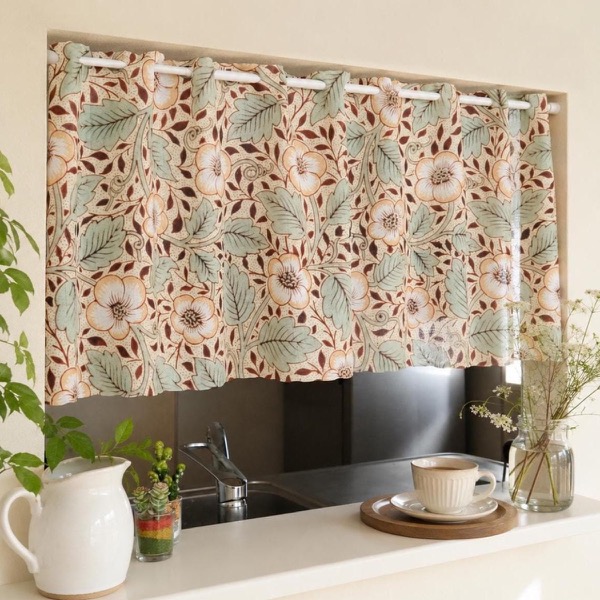
A noren can work in a bedroom when it marks a transition that needs softness rather than a hard door. Use one at a closet, an open doorway, or the edge of a dressing area, and make sure it does not block a frequently used route. Choose a length and pattern that suit the room's scale, then keep the nearby walls plain enough for the textile to read clearly. The split panel makes a noren useful where you need to pass through, while its fabric adds a vertical layer that curtains alone may not provide. Explore the noren and textile collection, then use the noren size guide and no-drill hanging guide before choosing a location.
Where should fans and wall textiles go?
Fans and wall textiles work best where they can be seen without competing with the bed. A single fan above a low dresser, one textile on a wall beside a reading chair, or a modest grouping on a broad blank wall gives the room a clear visual centre. Avoid hanging fragile work directly above a pillow if you may brush it while making the bed, and keep each piece away from damp areas and direct heat. Choose one strong motif, then repeat its quieter color in a cushion, book cover, or small tray rather than adding more patterns. Browse the Japanese fan wall decor collection and the noren and textile collection for pieces that can provide a lighter, more personal alternative to a large framed print.
Can an incense burner belong in a bedroom?
An incense burner can belong in a bedroom as a porcelain object, but it should be used for burning only with careful placement and attention. Keep a lit koro on a stable, heat-resistant surface well away from bedding, curtains, paper, clothing, pets, children, and anything that could be disturbed. Never leave incense unattended, and ventilate the room after use. If the bedroom does not offer a safe place, display the koro there and burn incense in a more suitable room instead. Kutani ware has been made in Ishikawa since 1655, so a hand-painted koro can hold visual interest even when it is not in use. See the Japanese incense collection and read where to place an incense burner at home before adding scent to the room.
What should stay near the bed?
Keep the bedside area limited to the things that support your evening and morning routine. A water glass, book, reading light, small tray, and one handmade object are usually enough. If a yunomi is part of the ritual, use it for tea before bed and clear it afterwards rather than letting a used cup become permanent decor. If a textile sits near the bed, leave enough room for it to hang or fold without touching a lamp, drink, or floor-cleaning path. The small area beside the bed is where clutter becomes most visible, so it is worth giving one object a role and putting the rest in a drawer or on a nearby shelf. Clear space is a useful part of the decor.
How can a small bedroom avoid clutter?
A small bedroom avoids clutter when it has fewer visual centres, not when it has no character. Choose one focal wall, one doorway or textile moment, and one useful surface. If the bed already has patterned linens, select a quieter noren or fan. If the wall art is detailed, keep the bedside objects plain. Use vertical space for art and soft textiles, but keep the floor route open so the room remains easy to clean and navigate. A good edit asks three questions: does this piece help the room function, does it add a material you want to feel or see, and does it have enough space around it? If the answer is no, move it rather than adding another decorative layer.
What is a practical Japanese bedroom gift?
A practical Japanese bedroom gift is one crafted piece that fits a real place in the recipient's room. A linen noren suits someone with an open doorway or closet, a fan or wall textile suits someone with clear wall space, and a small koro suits someone who already has a safe, suitable place to use or display it. Every NeoiAtelier piece is made in Japan and ships from Osaka, so the curation can begin with a genuine object rather than a generic bedroom theme. Start with the Japanese gifts collection or browse Japanese gifts under $150, then choose by the room's size, the recipient's routine, and how much care the piece will need.