Japanese Balcony Decor Ideas for Small Spaces
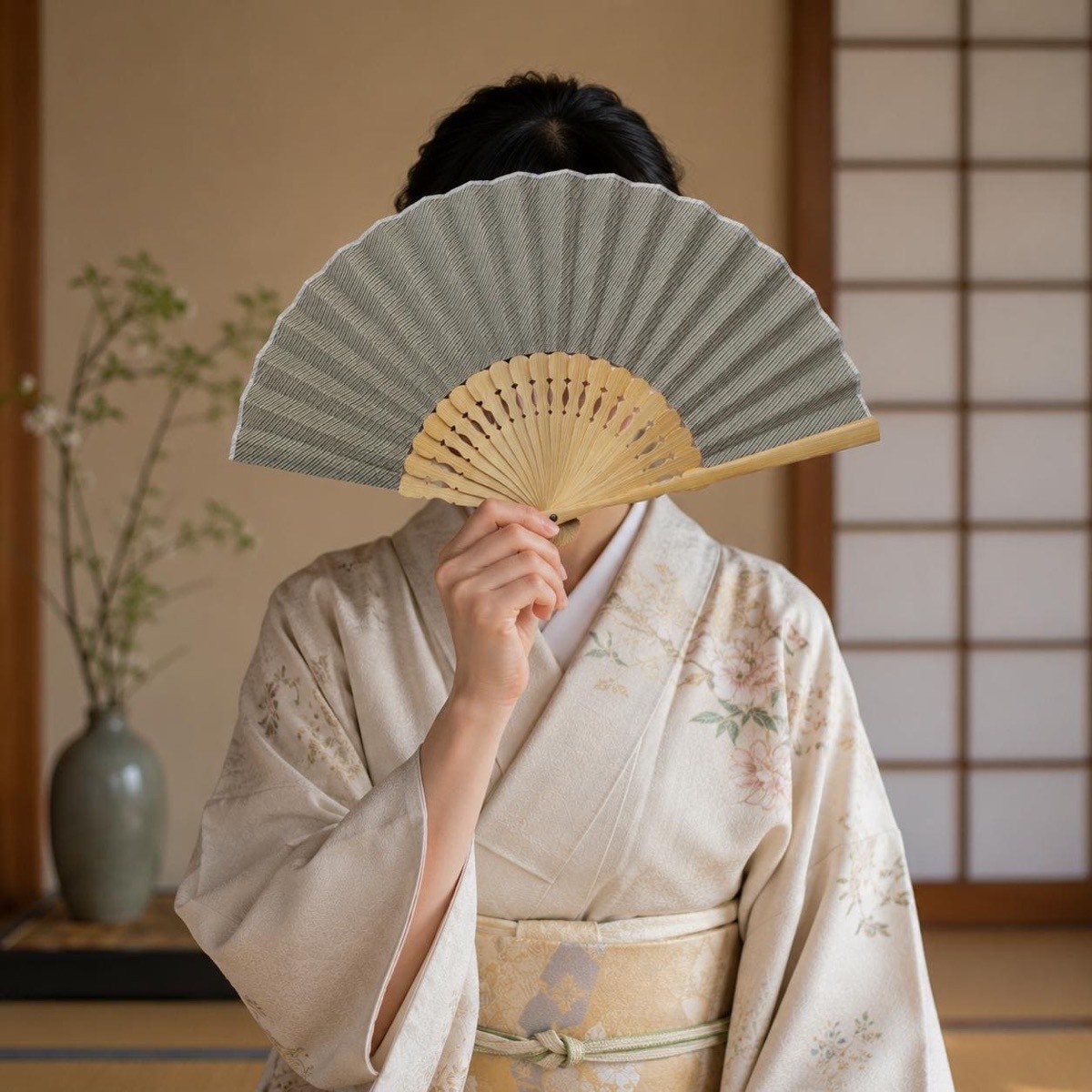
Japanese balcony decor for a small space works best when it begins at the threshold, not with more objects outdoors. Use a linen noren, a bamboo fan, and one restrained color story to make the room and balcony feel connected, while keeping delicate handmade pieces protected from weather, strong sun, and wind.
What Should a Small Balcony Do First?
A small balcony should first support the way you actually use it. It might be a place for morning air, a chair and a book, a few plants, or a brief pause at the end of the day. That decision gives the space a clear job and keeps it from becoming a storage ledge for unrelated objects. Recent small-balcony coverage has focused on compact seating, foliage, and vertical use of limited floor area. Those are useful prompts, but the strongest result is still a simple one: leave a comfortable route to the door, keep the floor easy to clean, and choose only a few details that make the view from inside feel considered. A crafted element can then work as an accent rather than trying to turn the balcony into a themed scene.
How Can a Noren Shape an Indoor-Outdoor Threshold?
A noren can soften the transition between a room and a balcony without asking the balcony itself to carry more decoration. Hang it on the indoor side of a doorway or open frame, where the textile can add pattern, filter the visual break, and remain protected from rain and prolonged direct sun. A split panel also keeps the route practical because it can be passed through without pulling a full curtain aside. The effect is especially useful when the balcony is visible from a living room, bedroom, or work area: the threshold gains a clear frame, while the outdoor space can stay simple. Browse the linen noren and wall hangings collection for suitable formats, then use the no-drill noren hanging guide to plan the indoor installation.
Can a Japanese Hand Fan Work Near a Balcony Door?
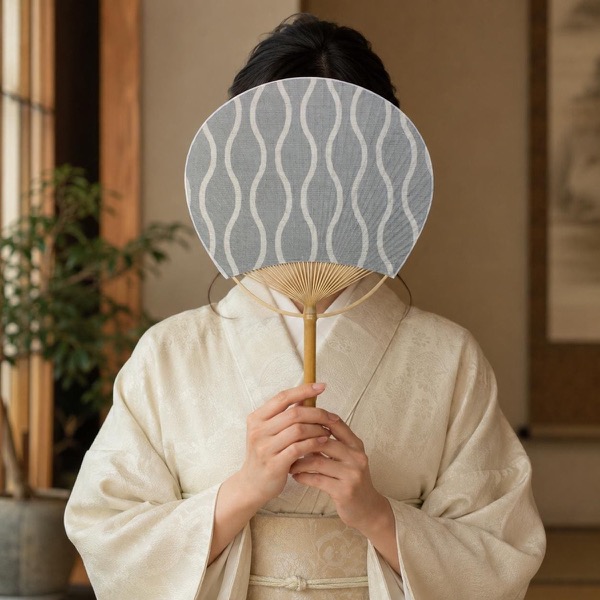
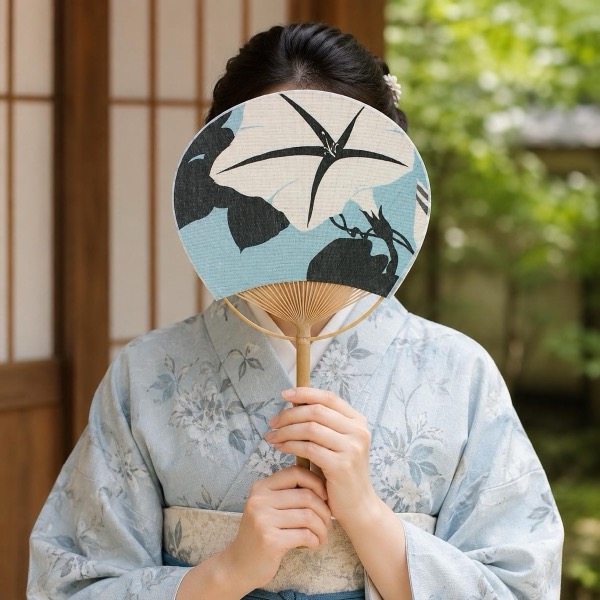
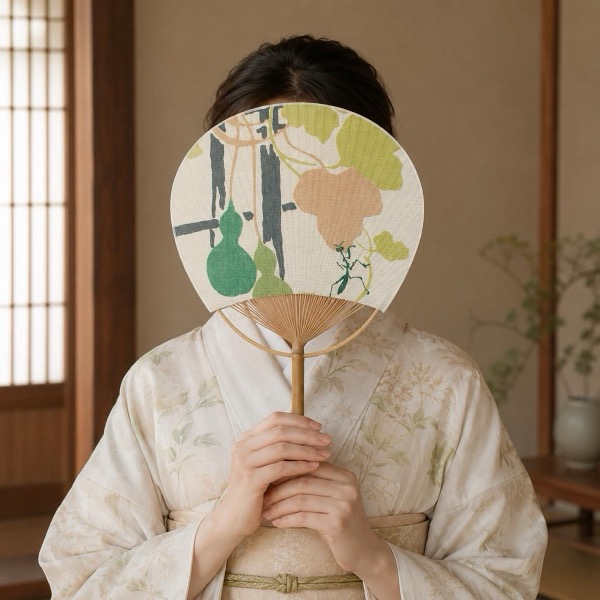
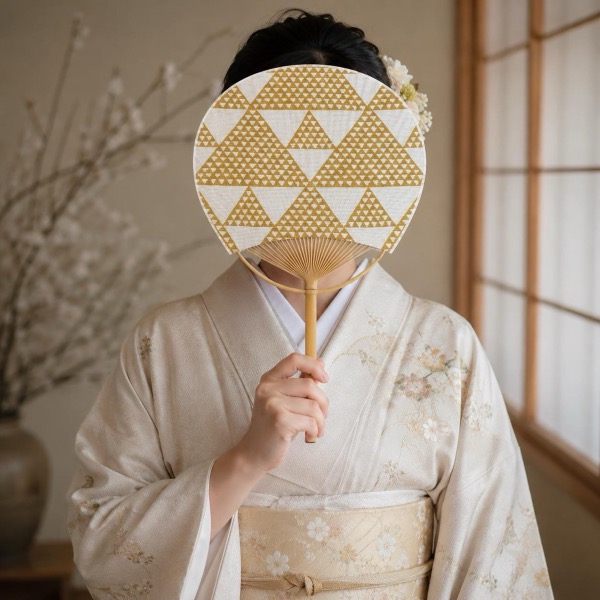
Yes. A Japanese hand fan can work near a balcony door as an indoor object that connects the room to summer use, rather than as permanent outdoor decor. Keep an uchiwa on a nearby shelf, hook, or shallow stand where it can be picked up for a warm evening, then return it indoors after use. A folding sensu can rest in a drawer or basket beside the door and take up almost no space. This placement makes the bamboo frame and linen or paper surface visible without assuming that the piece is weatherproof. One fan is usually enough in a compact room; its shape can break up the straight lines of doors, chairs, and railings. Compare forms in the Japanese handcrafts collection, or see the Japanese fan wall decor guide for reversible display ideas.
How Do You Add Vertical Interest Without Clutter?
Vertical interest is useful because a balcony has limited floor space, but it should not make the space feel closed in. Start with the existing door frame, railing, wall, or view, and let one element lead the eye upward. A tall plant, a narrow wall-facing surface, or a textile placed inside the room can do more than a crowded stack of accessories. Keep the balcony's safety rules, building requirements, and wind exposure in mind before adding anything to a railing or exterior wall. The visual lesson is simpler than the installation: use height to create a sense of depth, then leave enough empty space for the balcony to feel like a place to stand, sit, and step through. If the view from indoors already includes plants or a strong skyline, a quiet threshold may be all the visual structure needed.
Which Materials Should Stay Inside?
Treat handmade linen, paper, painted porcelain, and bamboo as indoor objects unless the specific product listing says otherwise. A balcony can bring direct sun, moisture, dust, and sudden wind, all of which can make a delicate surface harder to care for. That does not mean the crafts need to disappear from the design. Use them in the room facing the balcony: a noren just inside the doorway, a fan on a wall or shelf, or a tea cup on the table where you pause before going out. The balcony itself can stay focused on stable, practical items chosen for its conditions. This division keeps the mood connected without making unsupported assumptions about durability. It also makes seasonal adjustment easy: you can move a small fan or textile within the room when light or weather changes, rather than redesigning the whole space.
How Do You Choose a Calm Color Story?
Choose one color already present in the room, then let the threshold echo it in a quieter or more detailed way. A blue-gray noren can relate to a cool wall or planter; a natural linen tone can soften darker furniture; and one floral fan can introduce a small seasonal note without requiring matching accessories. Resist the urge to collect several unrelated motifs simply because each one feels Japanese. A calm balcony view often depends on restraint: a useful chair, a plant or two, and one material connection to the room may be enough. Look at the scene from the furthest seat inside, not only while standing on the balcony. If the doorway reads as a clean frame and the crafted accent is still easy to notice, the balance is likely right. If the eye catches several competing patterns at once, remove one detail before adding another.
What Is a Simple Starting Layout?
Start with the route: keep the door opening and the path to the railing clear. Next, decide whether the balcony is for sitting, planting, or simply bringing light into the room. Add one functional outdoor item for that use, then place one Japanese craft accent on the indoor side of the threshold. A linen noren can frame the opening, or a fan can live on the adjacent wall or shelf. This modest layout gives the room a clear connection to the balcony without crowding either side. Every NeoiAtelier piece is made in Japan and ships from Osaka. For a small-space starting point, explore the noren and wall hangings collection, the Japanese handcrafts collection, and our Japanese decor for small apartments guide, then choose one piece that suits the light, route, and routine you already have.