What Is Kutani Ware? A Guide to Japan's 360-Year-Old Painted Porcelain
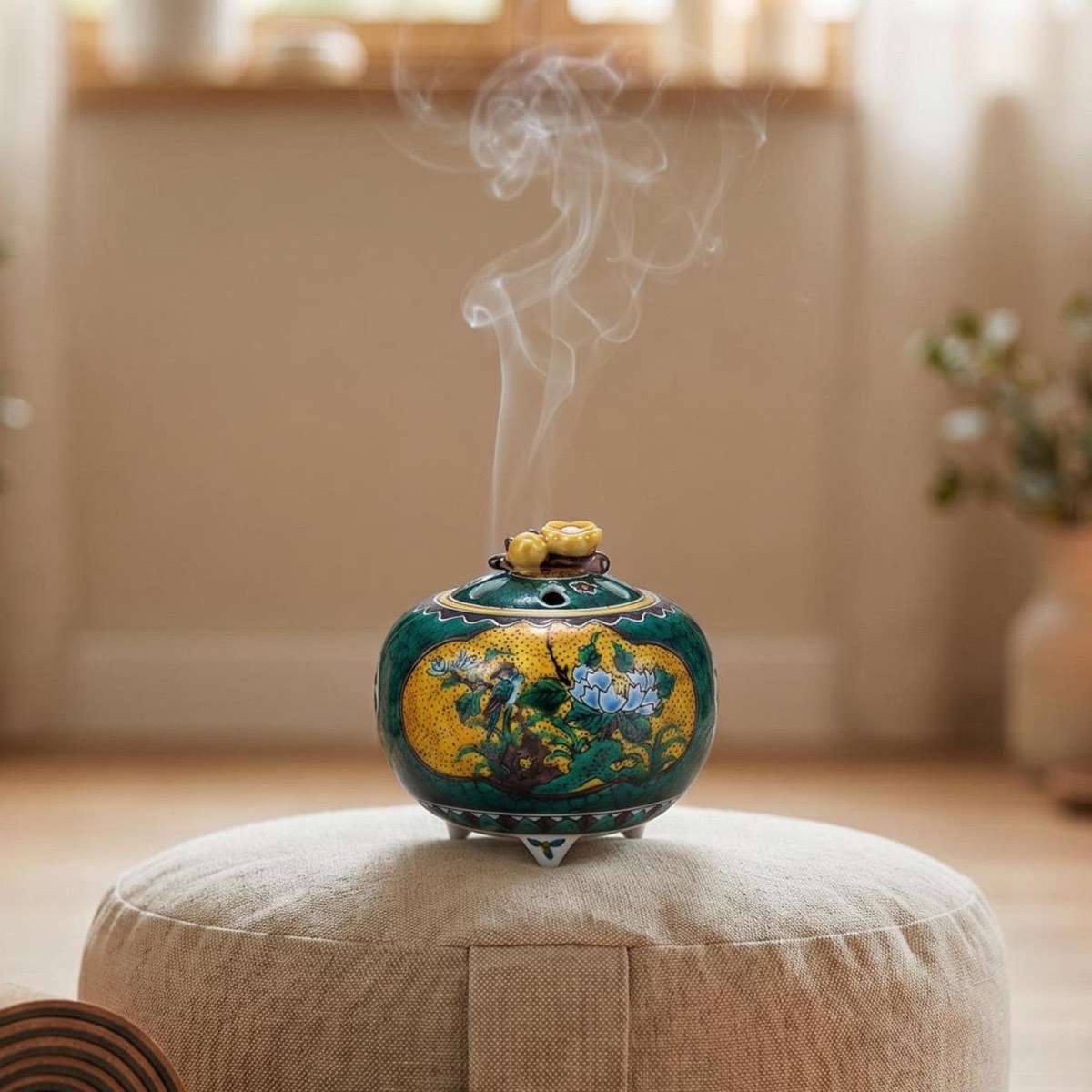
Kutani ware (Kutani-yaki) is Japan's boldest painted porcelain: a 360-year tradition from Ishikawa Prefecture defined by lavish overglaze enamel in five colors. If Arita porcelain is Japan's refined classicist, Kutani is its painter.
The origin: 1655, a gold mine village
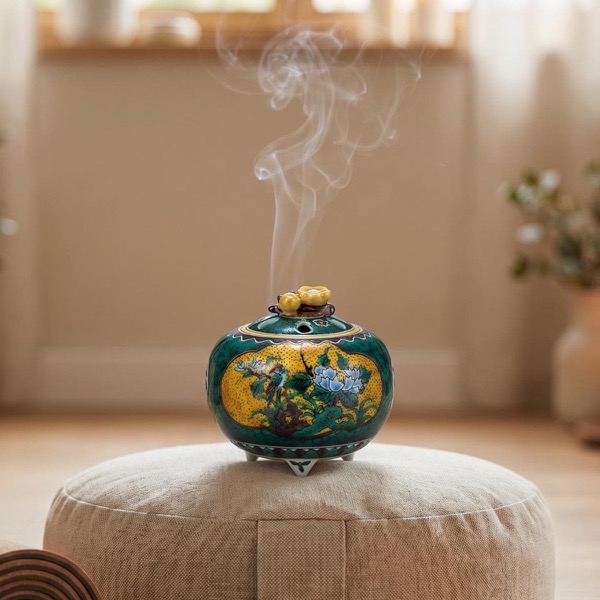
Kutani means 'nine valleys' — the village where porcelain stone was discovered around 1655. The early kilns produced what is now called Ko-Kutani (Old Kutani): large dishes covered edge-to-edge in deep green, yellow and purple, prized today as some of the most powerful porcelain Japan ever made.
The five colors (gosai)
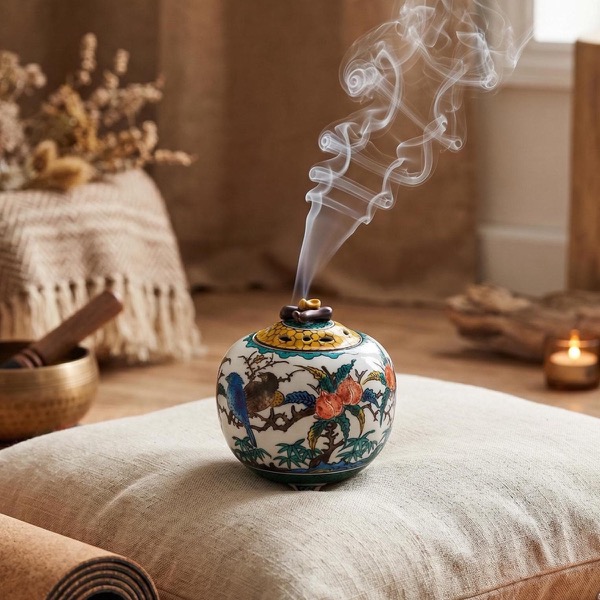
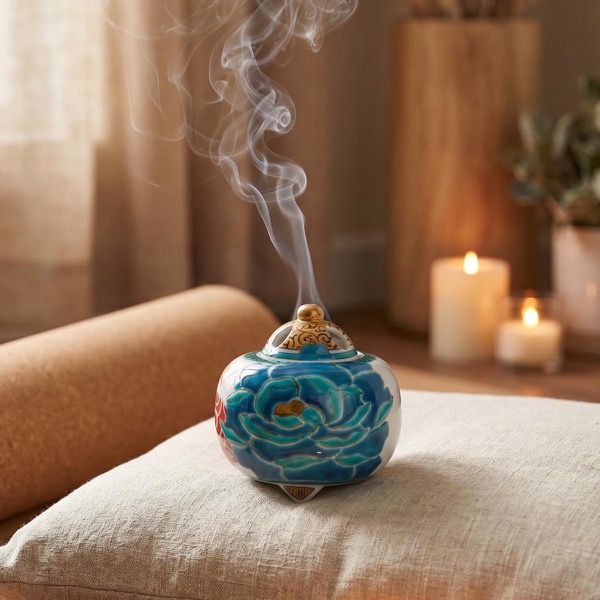
Classic Kutani painting uses gosai — green, blue, yellow, purple and red — applied thickly over the glaze and fired again, so the color sits like enamel jewelry on the surface. The thick application gives Kutani its unmistakable depth compared with under-glaze blue porcelain.
Styles to recognize
Ko-Kutani: bold, dark grounds, dramatic green and yellow. Yoshidaya: a 19th-century revival that drops red entirely — only green, yellow, purple and blue. Mokubei: red-ground designs with Chinese-style figures. Aochibu: fields of raised dots applied one by one. Most modern studios work in one or more of these inherited styles.
Kutani today
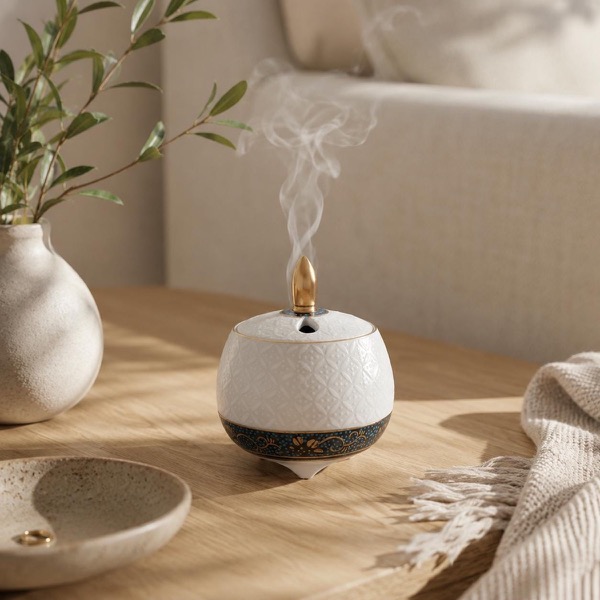
Contemporary Ishikawa studios paint everything from tea ware to incense burners (koro). Each studio signs its work, and small batches mean glaze and brushwork vary slightly piece to piece — the mark of a hand, not a machine. See the styles side by side in our Kutani koro collection, hand-painted in Ishikawa and shipped from Osaka.
How to care for Kutani
Treat the surface as you would a painting: dry or barely damp cloth, no dishwasher, no abrasives. Overglaze enamel and gold accents live on top of the glaze. Cared for this way, Kutani outlives generations — which is why so much Ko-Kutani still exists 360 years on.