Japanese Autumn Decor Ideas for a Calm Home
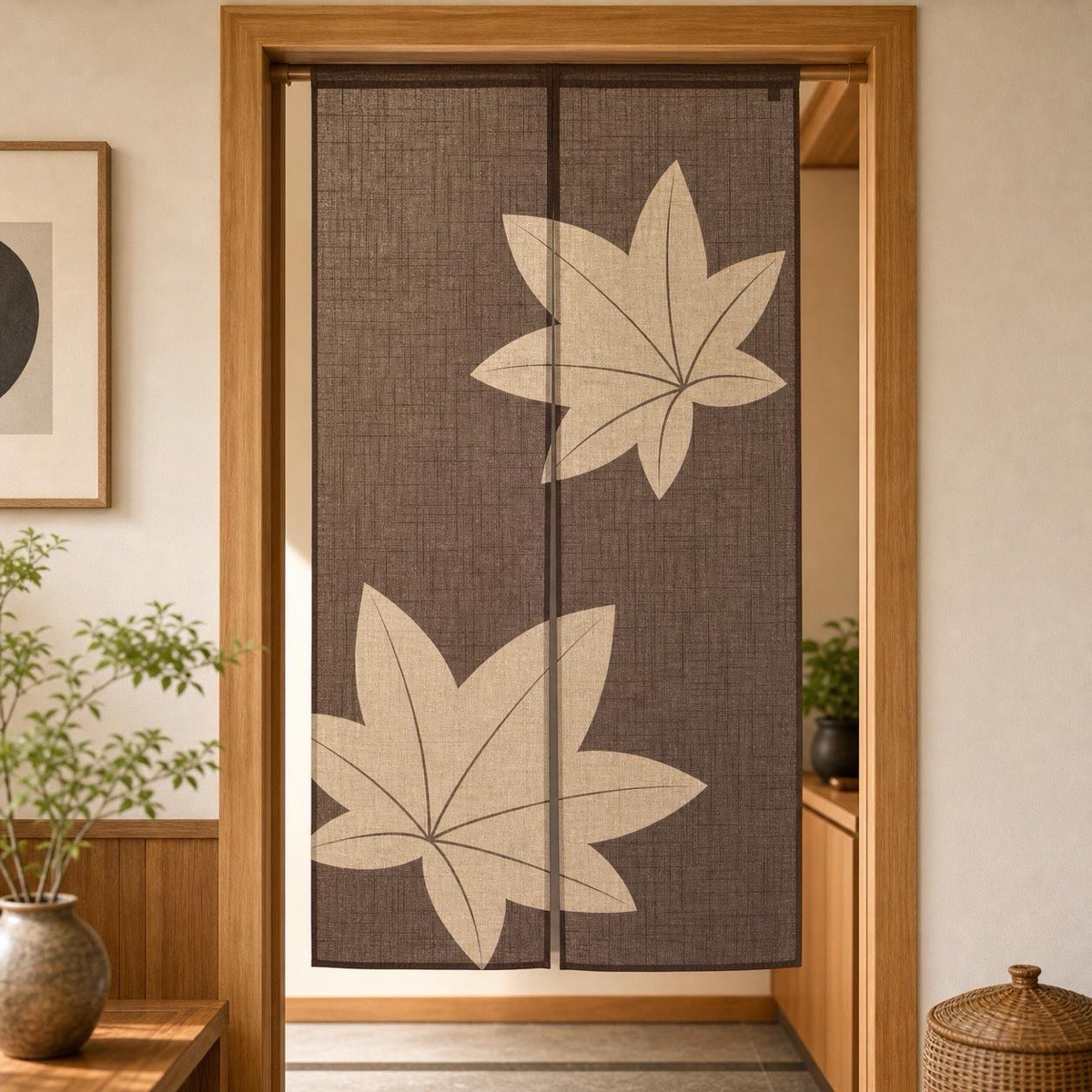
Japanese autumn decor works best when it changes the feeling of a room without asking you to replace the room itself. Start with one textile, one useful ceramic object, or one small display area, then let warmer light and natural materials do the rest. The goal is a home that feels settled, not staged.
What Makes Japanese Autumn Decor Feel Calm?
Japanese autumn decor feels calm when it uses fewer, more considered changes instead of covering every surface with seasonal objects. Begin with the way a room is already used: an entry that needs a softer welcome, a dining corner that could use texture, or a shelf that has room for one meaningful object. Natural linen, painted porcelain, wood, and a restrained branch or dried stem can add warmth without creating a theme that must be removed a week later. Keep the palette connected to the home you already have. A quiet neutral room may only need one deeper color or patterned textile. A more colorful room may feel better with one plain material and more open space around it.
Where Should You Begin With a Seasonal Change?
Start where you naturally pause or where you first enter the room. An entryway console, a reading chair, a dining shelf, or the wall beside a doorway gives a small seasonal idea a clear purpose. Avoid making several changes at once. Place one object, live with it for a few days, and notice whether it helps the room feel more welcoming or simply adds visual noise. This approach also makes a compact home easier to manage because nothing needs a permanent new storage place. A seasonal change should support daily life, not turn an ordinary surface into a display that cannot be used. The best first edit is often the smallest one that makes the room feel more intentional.
How Can a Linen Noren Add Autumn Texture?
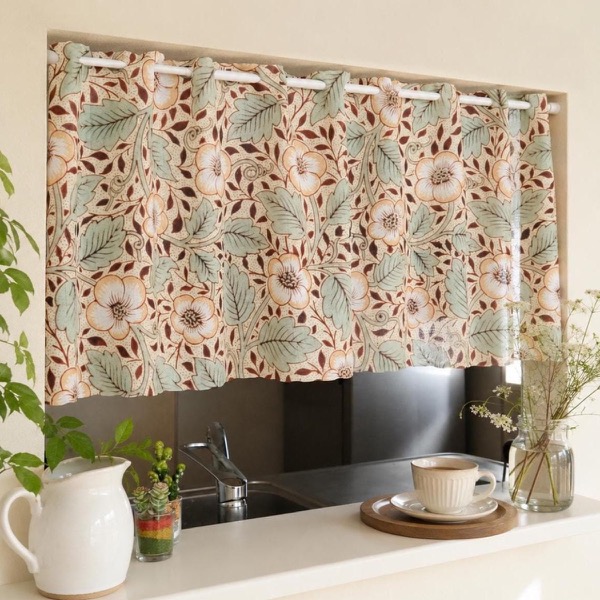
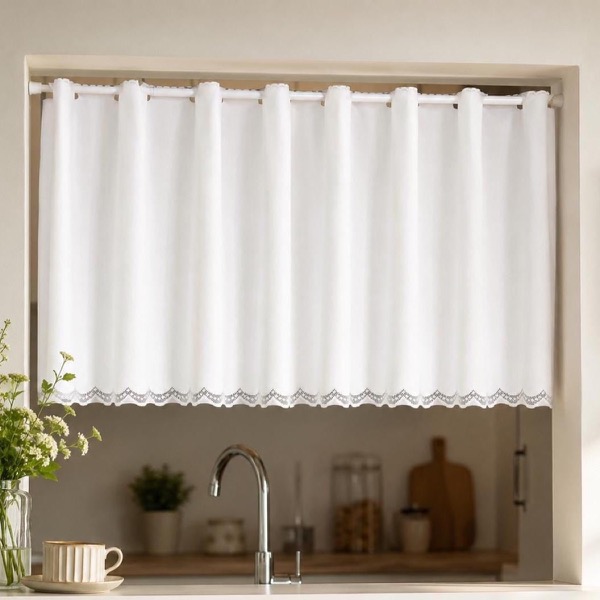
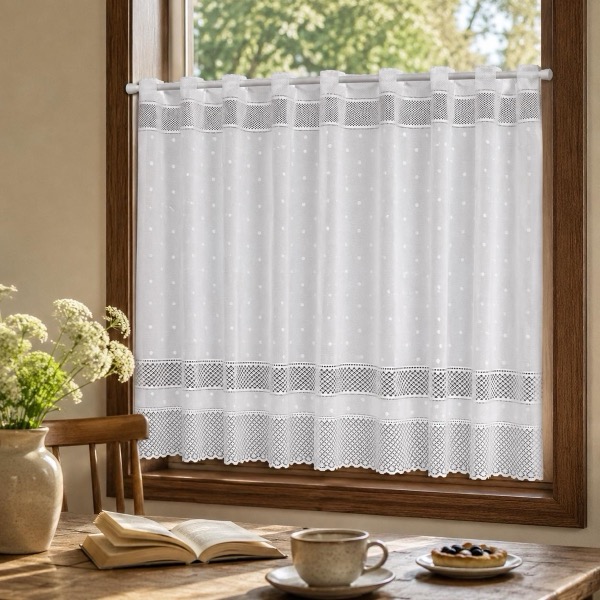
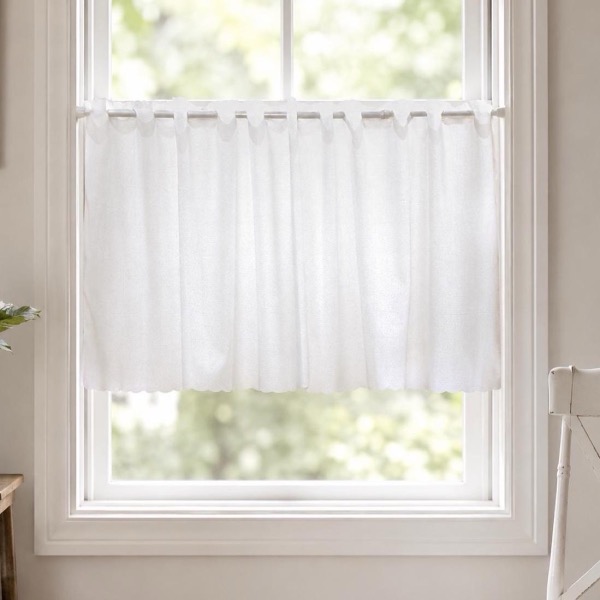
A linen noren can add texture at a doorway or open interior frame while keeping the room flexible. It softens the view through an opening without closing it off, and its fabric character can make wood, ceramic, and plain walls feel more connected. Choose the size for the opening rather than assuming any panel will work; a textile that is too wide or too short can feel distracting even when the pattern is beautiful. Browse the noren and wall hangings collection, then use the noren size guide to compare a doorway panel with the space you actually have. Keep nearby surfaces simple so the fabric has room to do its work.
Can Painted Porcelain Work as Seasonal Decor?
Yes. Painted porcelain can work as seasonal decor when it is treated as one finished object rather than as part of a crowded arrangement. A Kutani koro can bring pattern, color, and a small sculptural form to a shelf, sideboard, or tea corner even when it is not being used for incense. Let the piece have a stable, uncluttered resting place, and choose its scale according to the shelf rather than the urge to fill an empty area. This is especially useful when you want a seasonal change that can remain relevant after autumn. Explore the Japanese incense collection for painted Kutani forms, and read the Kutani ware styles guide to compare visual approaches before choosing one for display.
How Can a Fan Add Detail Without Clutter?
A Japanese hand fan can add a light graphic note to an autumn room when it is displayed with enough space around it. Its bamboo structure and textile or paper leaf can make a wall, shallow shelf, or console feel less bare without adding a large object. Choose a fan because its pattern and scale suit the room, not because it needs to carry a symbolic seasonal message. A single fan can look more deliberate than several small accessories placed together. See the Japanese handcrafts collection, then use the fan wall-art guide for practical display ideas that keep the surrounding space open.
Which Colors and Materials Should You Combine?
Choose a small material conversation rather than a strict autumn palette. Linen with warm wood, a painted ceramic piece beside a plain tray, or a natural-fiber textile near a simple lamp can feel seasonal because the textures slow the eye down. If you add a darker red, deep blue, brown, or muted gold, let it appear once or twice instead of repeating it across the room. A soft neutral background gives a patterned noren or detailed porcelain more presence. Good seasonal decor does not depend on owning a particular color. It depends on making the materials already in the room feel coherent. Leave some surfaces clear, especially in a small space, so the change reads as calm rather than crowded.
What Should You Avoid in a Small Autumn Room?
Avoid buying several objects just to make a room feel seasonal. Large arrangements, strong competing patterns, and decor that blocks a working table or entryway can make a compact room less useful. It is also better not to place textiles where they will be caught by a door, exposed to kitchen splashes, or subjected to direct sun for long periods. If you use incense, follow the maker's directions and keep any lit item attended on a stable, heat-safe surface; a display object does not need to become part of every ritual. The useful rule is simple: each addition should have a clear place, be easy to care for, and leave the room easier to live in than before.
Where Should You Start?
Start with one place you want to notice more: a doorway, a shelf, a tea corner, or a quiet wall. Choose one textile, ceramic object, or fan that belongs there, then stop before the room feels overfilled. Every NeoiAtelier piece is made in Japan and ships from Osaka. Explore the Japanese gift guide to compare objects by the home routine and space they are meant to support, rather than by a temporary seasonal theme.