How to Use a Noren Curtain Instead of a Door
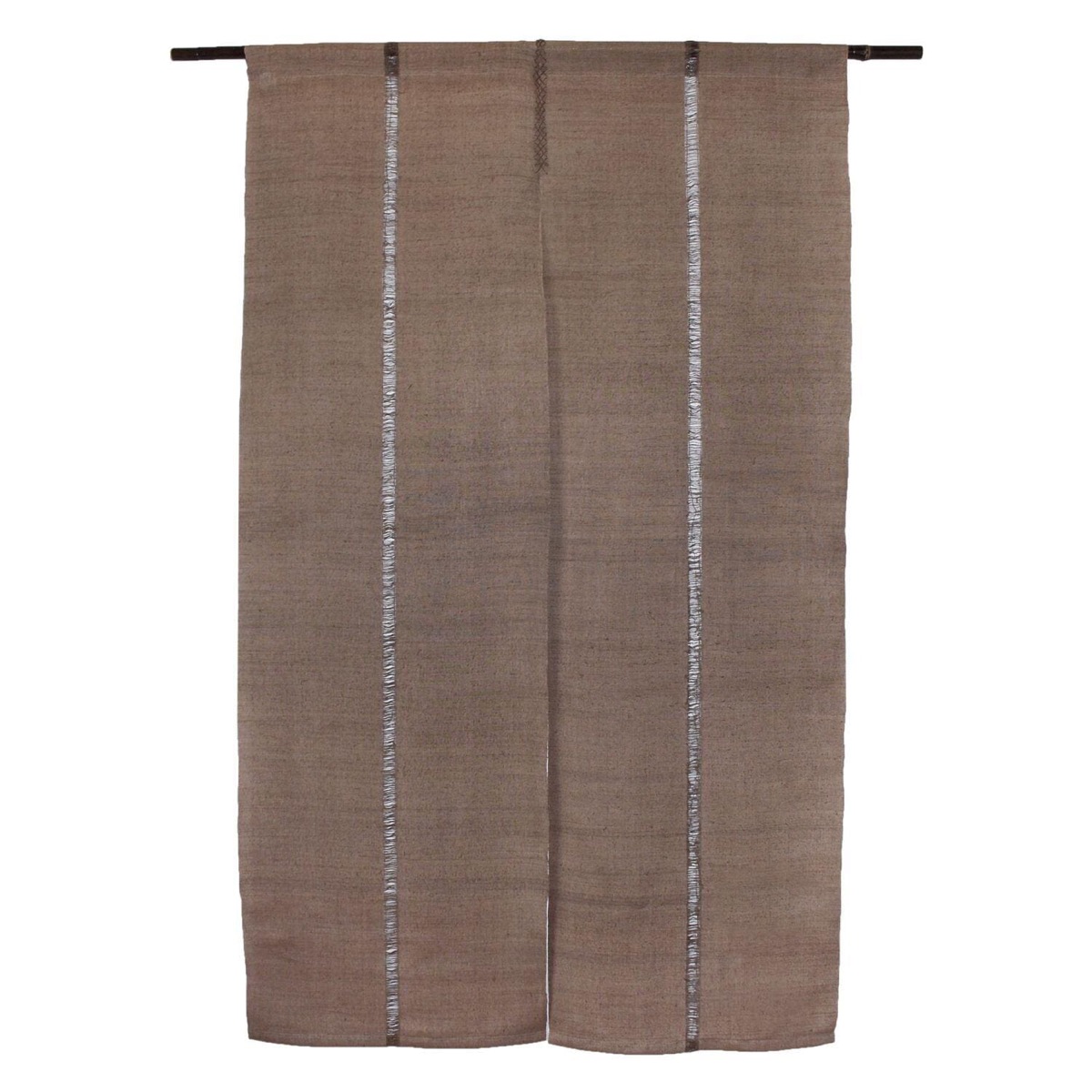
A noren can replace an interior door in most homes. Hang the split linen curtain from a simple tension rod, choose a length of about 59 inches (150 cm) for doorways, and you get privacy, airflow, and a soft sense of separation without hinges, hardware, or renovation. Here is exactly how to do it.
Can a Noren Really Replace an Interior Door?
Yes - for most interior openings, a noren does the job of a door with less friction. In Japan, noren have marked doorways since the Heian period (794-1185), filtering light and dust while letting people and air pass through. Western interiors media have recently embraced the idea, recommending noren as door replacements for small spaces because they soften sightlines instead of blocking them. A noren will not soundproof a bedroom or lock a home office, but for kitchens, pantries, closets, laundry nooks, and hallway transitions, it delivers most of a door's privacy with none of the swing clearance a hinged door demands.
What Size Noren Do You Need for a Doorway?
Measure the width of your opening and the height from the rod to your preferred hemline. Standard Japanese noren are about 33.5 inches (85 cm) wide, which suits most single doorways of 28-36 inches. Three lengths cover nearly every situation: half-length panels around 35.4 inches (90 cm) keep sightlines open in kitchens; 47.2-inch (120 cm) panels suit pass-throughs; and full 59.1-inch (150 cm) door curtains screen bedrooms, closets, and bathrooms. A noren should float roughly 4-12 inches above the floor so the hem never drags. If your opening is wider than 36 inches, hang two panels side by side on one rod.
How Do You Hang a Noren Without Drilling?
A spring-loaded tension rod is the standard method and requires no tools. Choose a rod 0.5-1 inch in diameter so it slides through the sewn rod pocket at the top of the curtain, then twist it to fit inside the door frame - the whole job takes under two minutes. For renters this matters: no holes, no deposit disputes, and the noren moves with you. If your frame has no inner lip, use adhesive hooks rated for at least 2 pounds and a lightweight bamboo pole instead. Linen noren typically weigh under 12 ounces, so almost any rod will carry them.
Which Rooms Work Best with a Noren?
Kitchens are the classic placement: a half-length noren hides counter clutter while steam and cooking smells escape over the top. Studio apartments use full-length panels to carve a sleeping corner out of one open room. Closets and pantries lose their builder-grade doors and gain a textile worth looking at. Hallways leading to bathrooms get a layer of privacy that still glows when the light is on. Browse our noren and wall hangings collection to compare motifs - from indigo gradients to sakura prints - at a glance.
Linen, Cotton, or Polyester: Which Noren Fabric Is Best?
One-hundred-percent linen is the traditional choice and the one we recommend for doorways. Our hand-dyed linen noren are woven in Japan using techniques descended from Ojiya Chijimi, the crepe-textured cloth of Niigata Prefecture, and they hang with a dry, matte drape that polyester cannot imitate. Linen also resists odors and dries fast - useful in kitchen doorways. Cotton prints cost less and carry bolder graphics, while polyester blends suit humid bathrooms. For a doorway you touch every day, a piece like our kakishibu-brown linen door curtain (35.4 x 59.1 in) earns its keep for years.
How Do You Wash and Care for a Linen Noren?
Hand-wash linen noren in cold water with a neutral detergent, or use a machine's delicate cycle inside a mesh bag. Never use bleach on hand-dyed indigo - the dye is part of the value. Hang the panel back on its rod while slightly damp; the weight of the wet linen pulls out wrinkles, so ironing is rarely needed. Expect natural linen to soften noticeably after three or four washes. With this routine a quality noren lasts a decade or more, which is why in Japan a shop's faded noren is read as proof of longevity, not neglect.
How Do You Style a Noren in a Western Home?
Treat the noren as wall art that happens to hang in a doorway. In a neutral room, one saturated indigo or vermilion panel becomes the focal point; in a colorful room, choose a quiet pine-soot gray or natural flax tone. Echo one color from the noren elsewhere - a cushion, a vase - so the panel reads as intentional rather than improvised. Most NeoiAtelier noren fall between $80 and $150, which positions them with mid-range artwork rather than disposable curtains. Every NeoiAtelier piece is made in Japan and ships from Osaka, where our curation team selects each textile from small regional workshops.
Where Can You Buy an Authentic Japanese Noren?
Authenticity comes down to fabric, dye, and origin: look for natural fibers, hand-dyeing, a visible weave, and a clear made-in-Japan declaration - the qualities mass-market reproductions skip. Each noren in our shop is made to order in Japan and ships from Osaka within 7-10 days. If you are shopping for someone setting up a first apartment, a noren is an unexpected, useful present: see our Japanese gifts under $150 guide, or start with the full noren collection and find the panel your doorway has been waiting for.